What is the difference between compound fertilizer and single-element fertilizer?
What is the difference between compound fertilizer and single-element fertilizer? Please explain that compound fertilizer refers to chemical fertilizer whose composition contains the three elements nitrogen, phosphorus and potassium, or any two of them. The advantages of compound fertilizer can be summarized in the following aspects: comprehensive nutrients and high content. The nutrients in each granule of compound fertilizer are evenly distributed, not only providing...
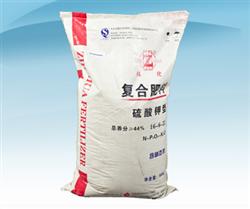
What is the difference between compound fertilizer and single-element fertilizer? Please explain
Compound fertilizer refers to chemical fertilizer whose composition contains the three elements nitrogen, phosphorus and potassium, or any two of them. The advantages of compound fertilizer can be summarized in the following aspects:
Comprehensive nutrients and high content. The nutrients in each granule of compound fertilizer are evenly distributed, which not only provides the best nutrients for crops and gives full play to the mutually promoting effect between nutrient elements, but also releases nutrients in a balanced way, with stable fertilizer efficiency and a relatively long nutrient supply period, so it usually has good fertilizer efficiency.
Convenient to use. Compound fertilizer granules are relatively firm, dust-free, uniform in size and low in moisture absorption, making them easy to store and use, suitable for mechanized fertilization and also convenient for manual broadcasting.
Few secondary components, with no adverse reaction on soil. Single-element fertilizers generally contain a large amount of secondary components; for example, ammonium sulfate contains only 20% nitrogen, while the large amount of sulfate radical, except in sulfur-deficient soil, is wasted when applied to soil. Almost all or most of the nutrients in compound fertilizer are needed by plants, which avoids waste of resources and also avoids the adverse effects of secondary components. Most compound fertilizers contain calcium, so their soil-acidifying effect is smaller than that of single-element fertilizers.
Compound fertilizers have diverse ratios and can be selected and applied in a targeted way. Compound fertilizer is made through secondary processing according to the soil nutrient status and the fertilizer requirements of crops, and according to farmers' requirements. Therefore, the nutrient ratios of compound fertilizer products are diversified, and in fertilization practice this can save many expenses and reduce labor.
Click to get more compound fertilizer application techniques
Click to get more fertilizer application techniques