What is the difference between potassium sulfate and potassium chloride? How should they be applied?
What is the difference between potassium sulfate and potassium chloride? How should they be applied? Please explain the application techniques for potassium sulfate and potassium chloride. Potassium sulfate: readily soluble in water, with a K2O content of 50%, it forms white or pale red crystals, has better physical properties than potassium chloride, is less hygroscopic, does not easily cake during storage, and is an acidic fertilizer. Potassium chloride: ...
What is the difference between potassium sulfate and potassium chloride? How should they be applied? Please explain
Application techniques for potassium sulfate and potassium chloride
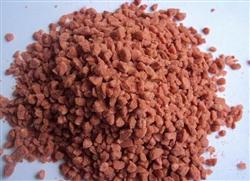
Potassium sulfate: readily soluble in water, with a K2O content of 50%, it forms white or pale red crystals, has better physical properties than potassium chloride, is less hygroscopic, does not easily cake during storage, and is an acidic fertilizer.
Potassium chloride: a quick-acting potassium fertilizer that is readily soluble in water, with a K2O content of 50-60%, appearing white, pale yellow, or purplish red, it is hygroscopic and can cake during storage, so attention must be paid to protection from rain, moisture, and packaging damage; it is an acidic fertilizer.
Potassium sulfate is suitable for all kinds of crops, and is especially effective for sulfur-demanding crops such as those in the cruciferous family (Brassicaceae); for rice, potassium sulfate is inferior to potassium chloride, because potassium sulfate readily produces hydrogen sulfide toxicity in flooded fields, so potassium chloride should be applied; tobacco, sugarcane, potato, grape, citrus and other crops are potassium-loving crops, but they have weak chloride tolerance, so potassium chloride should not be applied, to avoid reducing product quality.
Potassium sulfate can be used as a base fertilizer, topdressing, and seed fertilizer; potassium chloride can be used as a base fertilizer and topdressing, but is not suitable as a seed fertilizer; potassium sulfate and potassium chloride have basically the same yield-increasing effect on crops, and in potassium-deficient soils, the yield-increasing effect is significant.
Click to get more nitrogen, phosphorus, and potassium application techniques
Click to get more chemical fertilizer application techniques