-

What are the morphological characteristics, damage features, and living habits of the jujube mealybug?
The adult jujube mealybug is flat and oval, with a body length of about 2.5 cm, a slightly raised back, densely covered with white waxy powder, needle-like waxy structures along the body margin, and a pair of exceptionally long waxy tail bristles at the rear. The nymph is flat and oval, with well-developed legs that are brown. The egg is oval, composed of white waxy flocculent material. The jujube mealybug has 3 generations per year, overwinters as nymphs in bark crevices, begins activity in April, lays eggs in early May, with an egg period of 9-10 days. The peak occurrence periods of nymphs for each generation are early June, mid-July, and mid-September. Mass overwintering begins in early October.
-
What are the control methods for rodent damage to codonopsis (Codonopsis pilosula)?
They begin to damage the seedlings when the seedlings emerge 5 cm above ground. Control methods: (1) Mix 1 part of 3% zinc phosphide with 95 parts of green vegetables, beans, rice, etc.; after mixing well, scatter the bait in the evening in places where rats frequently appear or at their burrows. (2) Mix 1 part of 0.5% bromadiolone evenly with 3 parts of flour, then add cut apple pieces, vegetables, and fried dough sticks (cut into 1 cm pieces) and mix them evenly to coat; this can be placed in the evening in places where rats are frequently active. Alternatively, use 2.5% phorate granules at 1500 g per 667 sq m mixed with 10 kg of fine soil and scatter it along the edges of beds and ridges to drive rats away; be careful not to scatter it on the seedlings.
-
How to remedy famous premium spring tea after frost damage in time
Hunan Province has 1.2 million mu of tea gardens, mainly planted with varieties such as Baihaozao, Zhuyeqi and Bixiangzao, and the plants usually freeze to death only when temperatures exceed -10°C. However, due to this large-scale rain and snow and low-temperature freezing, overwintering of tea gardens has been affected to varying degrees, and tea gardens in mountainous areas in particular have suffered relatively severe freezing disasters. Overall, the branches and leaves of the tea plants have frozen, and the plants have been affected, which will affect the picking period of famous premium tea in early spring and reduce the yield and quality of spring tea. Relevant tea farmers should take corresponding measures according to local frost damage conditions.
-
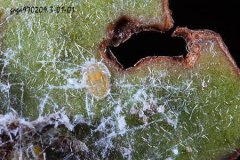
The spiraling whitefly is one of the whitefly species; what kinds of damage does it cause?
The spiraling whitefly is an important pest newly invading Hainan, with characteristics such as diverse transmission methods, a wide range of host species and a fast reproduction rate. So would you like to learn about its morphology, life history and damage? This is very helpful for controlling the spiraling whitefly. Spiraling white
-

What are the types of whitefly pests and their damage symptoms?
Which whiteflies are commonly seen? What kind of damage do whiteflies bring to agricultural products? Let's take a look together below and get to know them first. The silverleaf whitefly belongs to the order Homoptera, family Aleyrodidae. Since it invaded the main island of Taiwan, China in the 78th year of the Republic of China, the
-
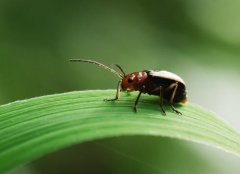
Ecological Habits, Damage and Control Methods of the Striped Flea Beetle
The striped flea beetle is an ancient pest of cruciferous vegetables. Farmers are no strangers to it, but they do not understand its ecology and the metamorphosis of its life cycle, because the adults live on the leaves above ground, while the eggs, larvae and pupae all live in the soil. Most farmers only control the adults and
-
Why are there insects inside pomelos? Symptoms of thrips damage and rust mite damage on pomelos
The season when pomelo flowers fill the air with fragrance is also a season when pests and diseases occur frequently. At this time, control of thrips and rust mites should be strengthened to ensure the quality of pomelo fruit. Otherwise, pomelos will suffer great losses, so we must do a good job in this regard. Pomelos are at the flowering stage, and their flowering period is long, from
-
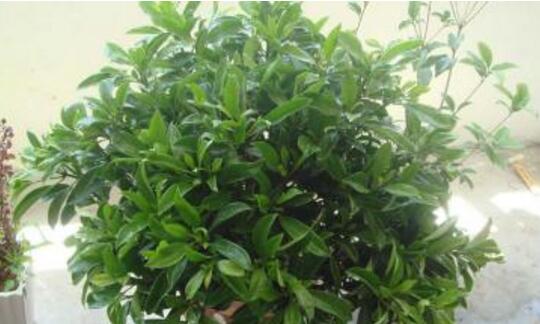
What to Do When African Jasmine Leaves Become Soft and Droopy? Root Damage Is the Main Cause, Four Solutions
Normally, the leaves of African jasmine should be firm and upright, but some flower lovers have found that their African jasmine leaves have become soft and droopy, which not only affects its appearance but also slows its growth. What causes this phenomenon, and what should we do about it? Let's take a look together.
-
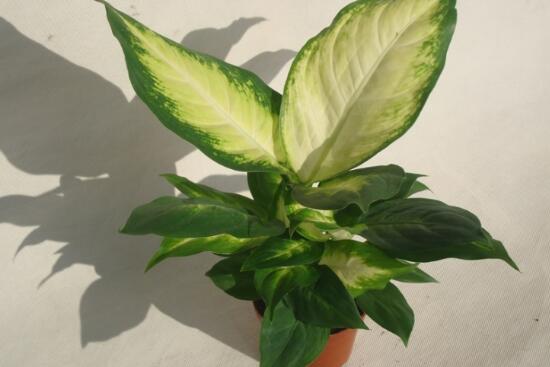
What to do about cold damage in Dieffenbachia? Warm it up, prune, then apply plant ash to the wounds
Dieffenbachia (also known as dumb cane) is currently one of the most popular foliage plants. Although it is toxic, it is kept as a potted plant in many homes because it looks good and has strong benefits. However, because many flower lovers are beginners, they do not know that Dieffenbachia is sensitive to cold, so they fail to provide adequate winter protection, ultimately causing the Dieffenbachia to suffer cold damage
-

What are the prevention and remediation measures for walnut freeze damage?
Prevention and remediation measures for walnut freeze damage
条件筛选