-
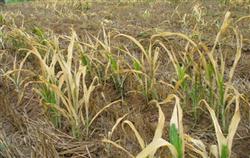
What to do when pesticide damage occurs? Master the correct remedial methods
What to do when pesticide damage occurs? What needs to be done after crops suffer pesticide damage? We also ask netizens for guidance. Generally speaking, using pesticides to control pests and diseases is safe, but for certain reasons, pesticide damage occurs every year. For pesticide producers, operators and users, none of them want to see pesticide damage occur...
-
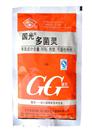
How to use carbendazim for the best results? A detailed guide to the correct usage
How should carbendazim be used well? What diseases can carbendazim control? How can it be used for the best results? Please provide guidance. Carbendazim belongs to the benzimidazole class and is a highly effective, low-toxicity systemic fungicide. Because it has obvious acropetal translocation properties, in addition to foliar spraying, it is also often used for seed dressing and soil drenching; as a broad-spectrum systemic...
-
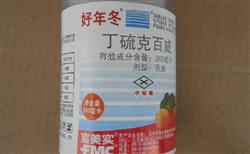
What is the correct way to use carbosulfan?
What is the insecticidal mechanism of carbosulfan? How is carbosulfan used? We ask knowledgeable readers to help explain. Carbosulfan is also known as dibuthiocarb, Haonianodong, Anmionte, etc. Carbosulfan is commonly used to control citrus rust mites, aphids, leafminers, scale insects, cotton aphids, cotton bollworms, cotton leafhoppers...
-
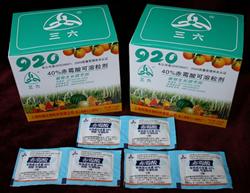
What is gibberellin and how should it be used correctly?
What is gibberellin? How is gibberellin used? Is there any knowledgeable netizen who can help explain? Gibberellin is a broad-spectrum plant growth regulator that can promote crop cell elongation, leaf enlargement, parthenocarpy (seedlessness), and fruit growth. Gibberellin can break seed dormancy, change the ratio of female to male flowers in crops...
-
Correct methods for using sodium biochemical fulvate
How is sodium biochemical fulvate used? Please provide an introduction to its usage methods. Biochemical fulvic acid is divided into: fulvic acid drought-resistant agent, fulvic acid foliar fertilizer, fulvic acid pesticide synergist, compound fertilizer, organic fertilizer, continuous cropping fertilizer additive, veterinary medicine, feed additive, aquaculture water-fertilizing and water-purifying agent, and other products. For detailed usage methods, refer to...
-
How to use abamectin for the best results? A detailed guide to the correct application method
How can abamectin be used for the best results? What is the insecticidal mechanism of abamectin? Generally, how much pesticide is enough for which pests? Please give an introduction. Insecticidal mechanism of abamectin: It has stomach poison and contact action against mites and insects, but cannot kill eggs. Abamectin sprayed on the leaf surface decomposes and dissipates quickly, but the active ingredient that penetrates...
-
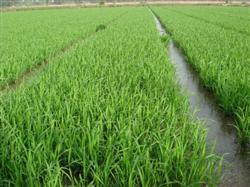
What are the correct methods for using carbofuran?
How is carbofuran used? Which crops can carbofuran be used on? How is carbofuran used safely? Please give an introduction. The crops on which carbofuran can take effect include rice, cotton, tobacco, sugarcane, soybean, peanut, corn, vegetables, etc. The following is a detailed introduction to the methods of using carbofuran on various crops for reference. Rice use...
-
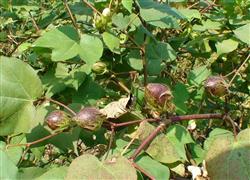
The correct method for using ethephon to ripen cotton
How do you use ethephon to ripen cotton? Please give an introduction. Correct use of ethephon to promote ripening of cotton bolls can make the bolls open 7-10 days earlier, increase yield by 6.4%-10.2%, and increase income by 26-40 yuan per mu. However, the following points should be noted when using it: 1. Efficacy. Ethephon on the market mainly comes in aqueous and oil...
-
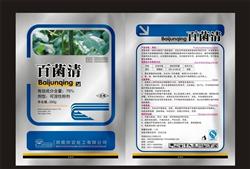
A detailed guide to the correct use of the fungicide chlorothalonil
How is the fungicide chlorothalonil used? Please give an introduction. Chlorothalonil is a non-systemic broad-spectrum fungicide that has a preventive effect against fungal diseases of many crops. Chlorothalonil provides control of many diseases of grain crops, peanuts, vegetables, cucurbits, fruit trees, tea and more. It is a low-toxicity fungicide and is now widely...
-
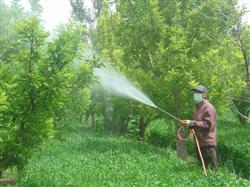
How to apply pesticides to kill insects effectively? Mastering the correct method is key
How can pesticide application be effective for killing insects? Please advise on methods. To get better results when spraying pesticides to kill insects, you can refer to the following two approaches: 1. Determine the control pesticide according to the type and size of the pest. Pests can be divided into aphids and planthoppers, snout moths, spiders, beetles, etc. Different types of pests require different pesticides...
条件筛选