What is the correct way to use carbosulfan?
What is the insecticidal mechanism of carbosulfan? How is carbosulfan used? We ask knowledgeable readers to help explain. Carbosulfan is also known as dibuthiocarb, Haonianodong, Anmionte, etc. Carbosulfan is commonly used to control citrus rust mites, aphids, leafminers, scale insects, cotton aphids, cotton bollworms, cotton leafhoppers...
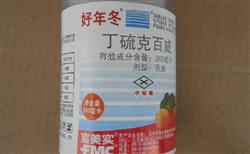 What is the insecticidal mechanism of carbosulfan? How is carbosulfan used? We ask knowledgeable readers to help explain.
Carbosulfan is also known as dibuthiocarb, Haonianodong, Anmionte, etc. Carbosulfan is commonly used to control pests such as citrus rust mites, aphids, leafminers, scale insects, cotton aphids, cotton bollworms, cotton leafhoppers, fruit tree aphids, vegetable aphids, thrips, sugarcane borers, corn aphids, stink bugs, tea aphids, lesser green leafhoppers, rice thrips, rice stem borers, rice leafhoppers, rice planthoppers, and wheat aphids. Therefore, Zhongdiwang has compiled the insecticidal mechanism and usage methods of carbosulfan, listed in detail below for readers' reference.
The insecticidal mechanism of carbosulfan:
Carbosulfan can interfere with the insect nervous system, inhibit cholinesterase activity, and cause the muscles and glands of insects to remain continuously excited, leading to death. Carbosulfan has contact, stomach, and systemic action; carbosulfan has moderate toxicity and a long duration of efficacy; it is a highly effective, safe, and convenient insecticidal and acaricidal agent, and is one of the ideal replacement varieties for the highly toxic pesticide carbofuran.
Moreover, carbosulfan is fat-soluble, has good systemic activity, strong penetration, rapid action, low residue, a relatively long residual effect, and is safe to use. It is effective against both adults and larvae and is harmless to crops.
Usage methods of carbosulfan:
1. For control of rice planthoppers: use 150 milliliters of 20% carbosulfan emulsifiable concentrate per mu of rice, dilute with 30-50 kilograms of water, and spray evenly on the rice .
2. For control of citrus rust mites: when new citrus shoots grow to 1 cm and rust mites first appear, use 50-70 milliliters of 20% carbosulfan emulsifiable concentrate per mu of citrus orchard, dilute with 100 kilograms of water, and spray evenly on the fruit trees.
3. For control of citrus leafminers: at the early stage of new citrus shoots or the peak hatching period of leafminer eggs, use 70-100 milliliters of 20% carbosulfan emulsifiable concentrate per mu, dilute with 100 kilograms of water, and spray evenly on the fruit trees. This application can also control pests such as spider mites, aphids, and psyllids.
4. For control of apple woolly aphids and leaf-curling aphids: during the vigorous growth period of new apple shoots, use 50-70 milliliters of 20% carbosulfan emulsifiable concentrate per mu of orchard, dilute with 100 kilograms of water, and spray evenly on the fruit trees. This spraying can also control the apple leaf miner.
5. For control of rice stem borers: apply 1-2 days before the peak hatching of rice stem borers, using 200-250 milliliters of 20% carbosulfan emulsifiable concentrate per mu of rice, diluted with water and sprayed evenly.
Number of applications of carbosulfan and pre-harvest intervals:
For rice planthoppers and rice stem borers, use carbosulfan emulsifiable concentrate at most 1 time, with a pre-harvest interval of 30 days.
For citrus rust mites, aphids, and leafminers, use carbosulfan emulsifiable concentrate at most 2 times, with a pre-harvest interval of 15 days.
For apple aphids, use carbosulfan emulsifiable concentrate at most 3 times, with a pre-harvest interval of 30 days.
For cabbage aphids, use carbosulfan emulsifiable concentrate at most 2 times, with a pre-harvest interval of 7 days.
Specific-effect pesticide for controlling diamondback moth
What is Bacillus thuringiensis?