-
What are the benefits and effects of Cornus officinalis? A detailed guide to its consumption methods
The benefits, effects and consumption methods of Cornus officinalis
-
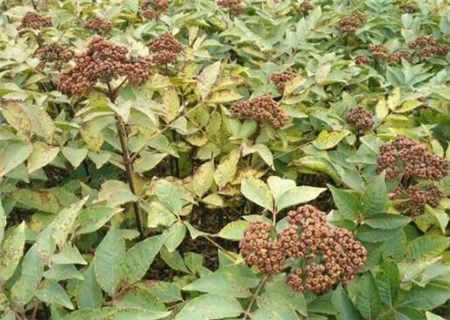
Cultivation Methods for Wu Zhuyu (Evodia rutaecarpa) of the Rutaceae Family, Its Differences from Shan Zhuyu (Cornus officinalis), and Poisoning Rescue
Wu Zhuyu is a plant of the Rutaceae family; the nearly ripe fruits of Evodia rutaecarpa and its varieties are a commonly used traditional Chinese medicine. It has a long history of cultivation in China. So do you know what the cultivation methods for Wu Zhuyu are? What is the difference between it and Shan Zhuyu? How do you rescue someone from poisoning? Wu Zhuyu Cultivation Methods
-
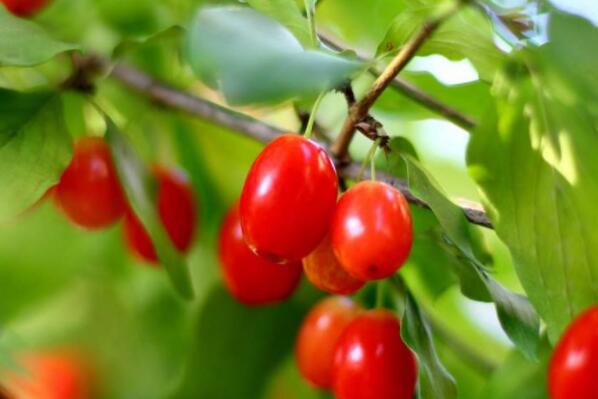
What does the deciduous tree Cornus officinalis look like? How much do seeds and saplings cost approximately? What are the cultivation techniques?
Cornus officinalis is also known as Shanyurou, Rouzao, Jizu, Yurou, Yaocao, Tianmuzi, and Shizao'er. Its flowering period is March to April; its fruiting period is September to October. So what does it look like? How much do seeds and saplings cost approximately? What are the cultivation techniques? According to grower Uncle Wang
-

The Benefits and Effects of Cornus officinalis and Its Bonsai Care and Management Methods
Today we recommend a plant that serves as both medicine and food, "Cornus officinalis" (Japanese cornel). As a superior medicinal herb recorded in traditional Chinese medicine, it has therapeutic effects such as lowering blood sugar, reducing inflammation and killing bacteria, nourishing the kidneys and replenishing essence, and boosting immunity. It is mainly produced in Henan, Shaanxi, Zhejiang, Anhui, Sichuan, Jiangsu, and other places in China. Cornus officinalis is also known as medicinal jujube, flesh jujube, and so on.
-

What kind of woody plant is Cornus officinalis?
Cornus officinalis is a deciduous tree; its ripe fruit is used in traditional Chinese medicine. It is produced from East China to the middle and lower reaches of the Yellow River, growing on damp, shaded stream banks at altitudes of 400-1500 m, at forest edges or within forests. It is also distributed in Japan and Korea.
-
-
-
-
-
条件筛选