What are the benefits and effects of Cornus officinalis? A detailed guide to its consumption methods
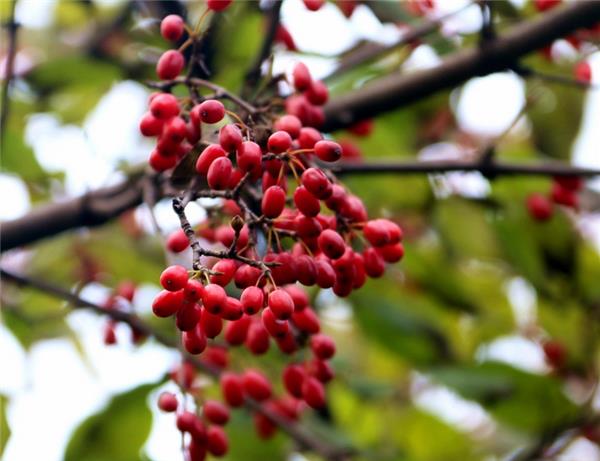
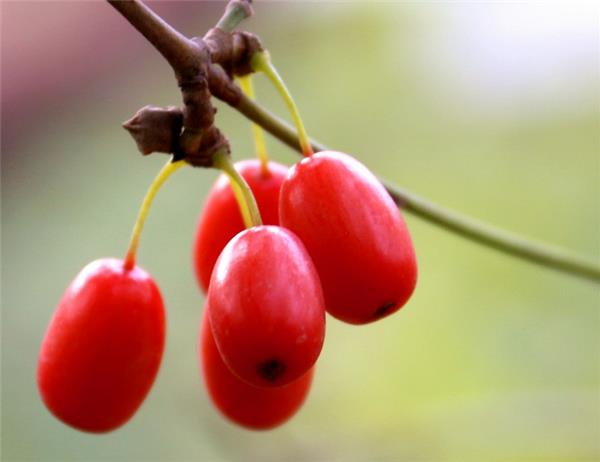
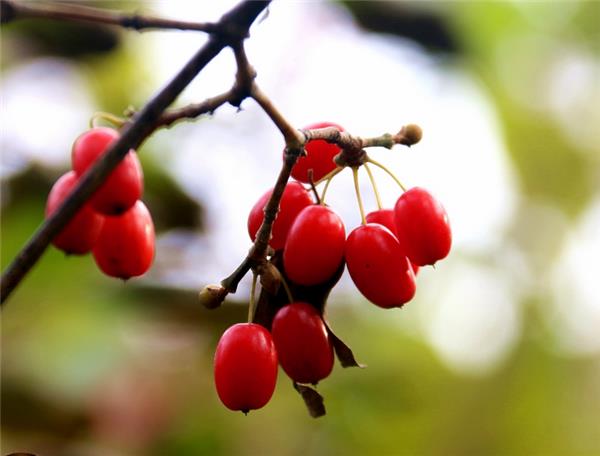
The fruit of Cornus officinalis contains vitamin A, cornus glycosides, saponins, tannins, ursolic acid, gallic acid, malic acid and tartaric acid. Today we are going to introduce the benefits, effects and consumption methods of Cornus officinalis.
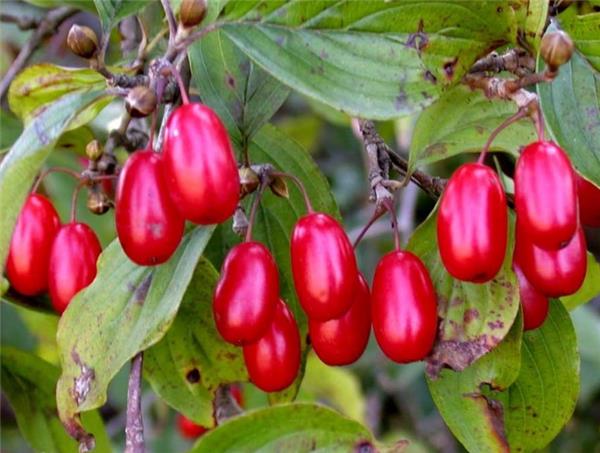
The benefits and effects of Cornus officinalis
1. Anti-hemorrhagic shock effect
Cornus officinalis was prepared into an intravenous injection by water decoction and alcohol precipitation, and injected intravenously into rabbits with hemorrhagic shock. As a result, the blood pressure of the animals in the experimental group rose rapidly. Experimental studies have shown that intravenous injection of Cornus officinalis injection has the effect of rapidly and significantly raising blood pressure, which is of definite significance for clinical rescue.
2. Inhibiting platelet aggregation
Cornus officinalis injection can also inhibit thrombus formation in the carotid artery-external jugular vein bypass circulation in rats. It inhibits platelet aggregation and resists thrombus formation, which is of certain significance for alleviating the formation of DIC and is beneficial for the treatment of shock.
3. Effect on cardiac function
Intravenous drip of Cornus officinalis injection in cats can enhance myocardial contractility, improve cardiac efficiency, dilate peripheral blood vessels, significantly enhance the heart's pumping function and raise blood pressure.
4. Blood sugar-lowering effect
The alcohol extract of Cornus officinalis not only has a significant blood sugar-lowering effect on alloxan- and adrenaline-induced diabetic rats, but also has a similar effect on streptozotocin-induced diabetic rats.
5. Antibacterial effect
The decoction of Cornus officinalis fruit can inhibit the growth of Staphylococcus aureus in vitro and has an inhibitory effect on Shigella dysenteriae. The water infusion has varying degrees of inhibitory effect on 10 kinds of fungi including Trichophyton violaceum in test tubes. A black-red sour liquid was obtained from the fresh fruit pulp, and experiments showed that it has an inhibitory effect on Salmonella typhi and Shigella dysenteriae.
6. Effect on the immune system
The total glycoside fraction of Cornus officinalis can inhibit lymphocyte transformation, LAK cell induction and the production of interleukin-2. The total glycoside fraction of Cornus officinalis can inhibit the mixed lymphocyte reaction of mice and humans in vitro, and inhibit the induction and proliferation of cytotoxic T cells. The total glycoside fraction of Cornus officinalis and cyclosporine A showed significant differences in TPA-stimulated interleukin-2-driven lymphocyte proliferation, the response to combined stimulation with PHA or PWM and TPA, and the proliferation of lymphocytes and CTL cells. In addition, the two have a synergistic inhibitory effect on lymphocyte transformation, MIR and CTL proliferation.
7. Other effects
Cornus officinalis can kill ascites cancer cells in vitro. It has an anti-experimental liver damage effect. It has the effect of raising the white blood cell count in cases of leukopenia caused by chemotherapy and radiotherapy.
Consumption methods of Cornus officinalis
1. Cornus officinalis, walnut and black chicken soup
Benefits: The Chinese herb Cornus officinalis is slightly warm in nature and sour and astringent in taste. It can warm and tonify the liver and kidneys and astringe essence and blood. Traditional Chinese medicine believes that its tonifying power is relatively sufficient while its medicinal nature is mild, and it can promote blood circulation, so it is often used in medicinal soup dishes. Walnut is warm in nature and sweet in taste, and is a famous nourishing dried fruit. Traditional Chinese medicine believes that it has the effects of tonifying the kidneys and securing essence, warming the lungs and stopping cough, replenishing qi and nourishing blood, nourishing the brain and improving intelligence, and tonifying the liver and darkening hair. Black chicken is a precious rare poultry for dietary therapy, and its nutritional value is far higher than that of ordinary chicken. Combined into a soup, it has the effects of tonifying the kidneys and nourishing blood, astringing essence and reducing urination, and is very suitable for tonic consumption at present.
Ingredients: 15 grams of Cornus officinalis, 50 grams of walnut kernels, 4 red dates, 1 dressed black chicken, 3 slices of ginger.
Method: Wash each ingredient, remove the pits from the red dates; wash the dressed black chicken, remove the internal organs and the rump. Then put it together with the red dates into a clay pot, add 2500 milliliters of clean water (about 10 bowls of water), bring to a boil over high heat, then switch to low heat and simmer for 2 hours, and add an appropriate amount of salt.
2. Cornus officinalis, cistanche and mutton soup
Benefits: Suitable for symptoms such as cold hands and feet, soreness and weakness of the waist and knees, frequent and excessive urination, and constipation.
Ingredients: 600 grams of mutton, 20 grams of Cornus officinalis, 20 grams of cistanche, 20 grams of longan flesh.
Method: Cut the mutton into thin slices and put them into boiling water to cook for 5-10 minutes, then remove and rinse clean with clean water, and place in a clay pot. When the water comes to a boil, add Cornus officinalis, cistanche, longan flesh and ginger slices, continue to boil over high heat, then switch to medium heat and simmer for 3 hours, and add various seasonings according to personal taste before serving.
3. Cornus officinalis essence-guiding blood-stopping decoction
Benefits: Mainly treats intercourse-induced bleeding in women.
Composition: 15 grams of ginseng, 30 grams of white atractylodes rhizome (stir-fried with soil), 9 grams of poria (peeled), 30 grams of prepared rehmannia (steamed nine times), 15 grams of Cornus officinalis (steamed), 3 grams of black ginger, 1.5 grams of phellodendron, 9 grams of mustard seed, 9 grams of plantain seed (stir-fried with wine)
Usage: Decoct in water and take.
Source: Volume 1 of "Fu Qingzhu's Obstetrics and Gynecology".