Detailed Explanation of Cornus kousa Planting Methods and Cultivation Techniques
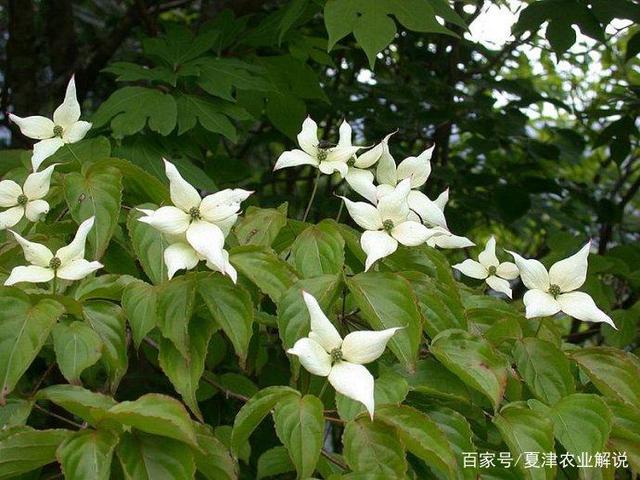
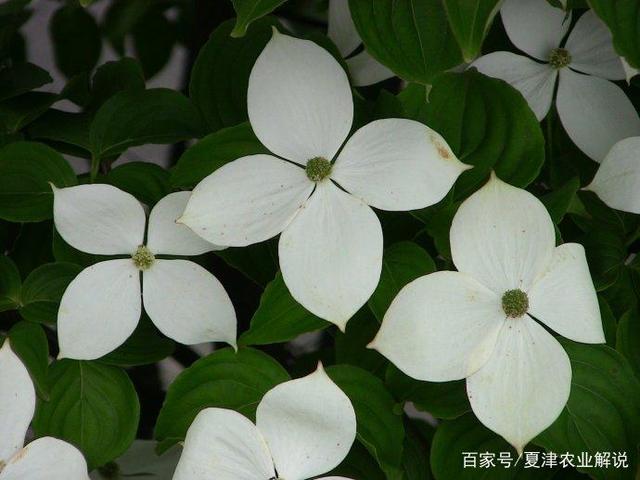
Cornus kousa, also known as: mountain lychee, of the Cornaceae family; native to East Asia, it is an evergreen or deciduous tree. It gets its name because the inflorescence is surrounded by 2 pairs of large white petal-like bracts that shine in all directions. The Cornus kousa tree has a beautiful, rounded, umbrella-like form, with glossy leaves that turn red in autumn and remain on the tree for more than 1 month. In autumn, red fruits cover the tree in abundance, presenting a scene of harvest. Admire the glossy leaves in spring, the jade-white flowers in summer, and the red fruits and red leaves in autumn; it is an extremely beautiful garden ornamental tree prized for its flowers, foliage and fruit, and an excellent choice for landscaping. Because its fruit is nutritious and edible, and all parts can be used medicinally, it is also an important economic tree species.
Planting Methods for Cornus kousa
Sowing: Choose a semi-shaded slope nursery site for raising seedlings. After the soil thaws in spring, apply 1500kg of farmyard manure, 20kg of urea and 100kg of superphosphate per mu in the nursery, disinfect the soil with 40kg of ferrous sulfate per mu, then prepare the land and make beds. The bed surface specification is 10x1.5m, with a spacing of 40cm; raised beds are preferable to facilitate drainage. The sowing rate is 20-25kg per mu. After sowing, cover with 1-2cm of humus soil, and seedlings emerge after 2 months. Thin the seedlings at the appropriate time after emergence, controlling the number of seedlings to 40,000-80,000 plants per mu; transplant in the 2nd year at about 30,000 plants per mu. By the 3rd year they can be used for field planting.