-
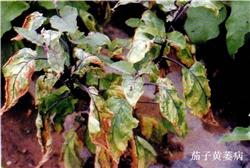
Which Diseases Can Fungicides Prevent and Control? A Detailed Guide to Their Scope of Application
Which diseases can fungicides prevent and control? What chemicals work well when mixed with fungicides? We also invite experienced readers to share their suggestions. As consumers pay more and more attention to food safety, highly toxic and high-residue chemicals in agricultural cultivation will gradually be replaced by environmentally friendly fungicides. Therefore, Zhongdi Network has compiled the diseases that fungicides can prevent and control...
-
How is omethoate used and which pests can it control?
How does omethoate kill insects? How is omethoate used? Which pests can omethoate control? We also ask knowledgeable readers to help explain. Omethoate is a highly toxic insecticide with systemic, contact and some stomach-poison action, and it features fast knockdown, high efficacy and a broad spectrum. Omethoate can be taken up by the stems and leaves of plants into the human body...
-
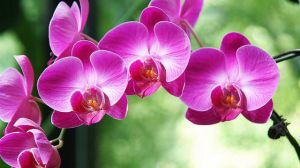
What to Do If Phalaenopsis Leaves Have Black Spots? Causes and Control Methods
There are many reasons why Phalaenopsis leaves develop black spots: if the black spots appear due to strong light exposure, shade the plant promptly; if caused by a poor environment, move the plant to a clean environment; if caused by disease, promptly remove the affected leaves and spray with medication; if caused by low temperatures, raise the temperature to 20-24°C.
-
What to Do About Black Spots on Phalaenopsis Leaves? Causes and Control Methods
There are many causes of black spots on Phalaenopsis (moth orchid) leaves: if the black spots are caused by strong light, shade the plant promptly; if they are caused by a poor environment, move the plant to a clean environment; if they are caused by disease, remove the affected leaves and spray promptly; if they are caused by temperatures that are too low, raise the temperature to 20-24°C.
-

What are the diseases of rhododendrons and their control methods?
Rhododendron diseases mainly fall into two categories: physiological diseases and infectious diseases. For physiological diseases, you need to remedy and improve the factors causing the rhododendron's discomfort; for infectious diseases, you need to use chemical agents to control them according to the cause. Pay special attention to sooty mold, which requires treating the insects first and then the fungus.
-
What are the diseases of azaleas and their control methods?
The diseases of azaleas mainly include physiological diseases and infectious diseases. For physiological diseases, the factors causing the azalea's discomfort need to be remedied and improved; for infectious diseases, medication must be used to control them according to the cause. Special attention must be paid to sooty mold, which requires treating the insects first and then the fungus.
-

What are the methods for controlling pests on azaleas?
The main pests of azaleas are red spider mites, azalea lace bugs and aphids. For red spider mites, pruning or spraying with abamectin can be used for control; for azalea lace bugs, removing diseased leaves or spraying with imidacloprid can be used for control; for aphids, washing, sticky traps or spraying with imidacloprid can be used for control.
-
What are the methods for controlling rhododendron pests?
The main pests of rhododendrons are red spider mites, rhododendron lace bugs and aphids. For red spider mites, pruning or spraying with abamectin can be used for control; for rhododendron lace bugs, removing diseased leaves or spraying with imidacloprid can be used for control; for aphids, washing, sticky traps or spraying with imidacloprid can be used for control.
-
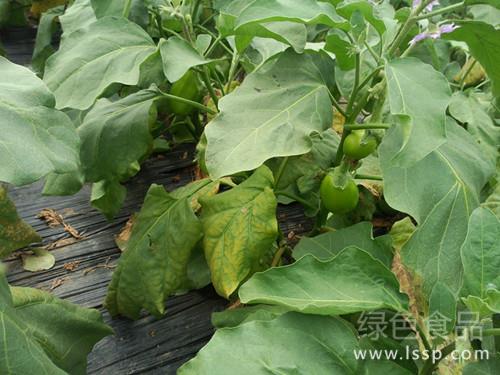
Control Methods for Yellowing Heart Leaves of Eggplant in Greenhouses During the Low-Temperature Period of Deep Winter
Control Methods for Yellowing Heart Leaves of Eggplant in Greenhouses During the Low-Temperature Period of Deep Winter
-

Control Measures for Deformed Strawberry Fruits Such as Too-Thin, Too-Plump, Cockscomb-Shaped and Flat Fruits in Greenhouses
Control Measures for Deformed Strawberries in Greenhouses: Too-Thin, Too-Plump, Cockscomb-Shaped and Flat Fruits
条件筛选