-
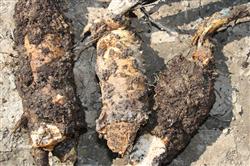
How to prevent and control ginseng root rot? These methods you need to master
How to prevent and control ginseng root rot? Please give an introduction. Symptoms of ginseng root rot: it mainly damages the roots of seedlings and the stem parts below the soil surface. The rotting ginseng roots appear dark brown and wet-rotten, and later become decayed and hollow, with only the hollow root skin remaining. The aboveground parts of affected ginseng seedlings show no obvious symptoms in the early stage, and in the middle and late stages the leaves fade to yellow, wilt and die....
-
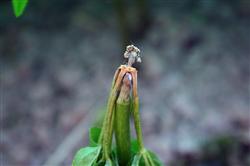
What are the control methods for ginseng gray mold?
How do you control ginseng gray mold? Please explain the methods. Ginseng gray mold symptoms: It damages ginseng leaves; the lesions on the leaves are limited by the leaf veins and appear polygonal or irregular. They are light brown, and on the underside of the lesions there is a sparse, thin, grayish-white or pale yellow mold layer, namely the pathogen's sporangiophores and sporangia. In the later stage, the lesion tissue necroses, breaks apart easily...
-
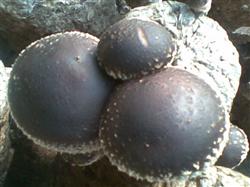
What are the control methods for mushroom death in summer for oyster mushrooms?
How to prevent and control mushroom death when cultivating oyster mushrooms in summer? Please introduce the methods. When cultivating oyster mushrooms in bags in summer, sometimes a large number of small mushrooms die after fruiting. The main reasons are the following four points, and preventive measures should be taken early. Excessive temperature: After the primordia of oyster mushrooms form, if high temperature (above 30°C) continues, the caps...
-
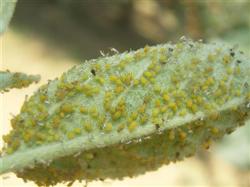
What are the common pests of camellias? Detailed control methods
What pests of camellias need to be controlled? Here is a detailed introduction. Camellias have the following pests that need to be controlled: Aphids [Appearance and damage] Aphids are divided into two types: winged aphids and wingless aphids. The winged viviparous female aphid has transparent wings and a dark brown body; the wingless viviparous female aphid has no wings and a dark brown body. In addition, the nymph resembles the adult in appearance, has no wings, and is light yellow. Adults and nymphs gather on the young shoots of camellias to suck sap, causing the buds and leaves of the affected camellias to shrivel and severely affecting growth. The excrement of aphids can cause sooty mold.
-
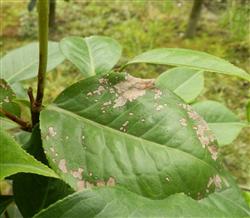
Control Methods for Camellia Twig Blight and Flower Rot
How to control camellia twig blight and flower rot? Please provide an introduction to the methods. To control camellia twig blight and flower rot, you can refer to the following methods: Twig blight is caused by pathogenic fungi infecting the young or old twigs of camellias. The affected twigs become necrotic, the leaves change from green to pale yellow, gradually dry up and fall off from the top downward, and finally the entire...
-
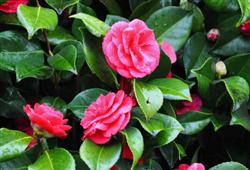
Common Pests and Diseases of Camellias and Their Control Methods
Which pests and diseases of camellias need to be controlled? The pests of camellias include aphids, scale insects, red spider mites, rust mites, and leaf-rolling moths. Except for rust mites, they can be controlled with ordinary insecticides. The most serious are rust mites and mite pests, which are powdery white, very small, and hard to spot, attacking specifically the young leaves and tender shoots of camellias, causing the undersides of the leaves to turn yellow as if rusted, twisting the leaves, and preventing new shoots from growing...
-
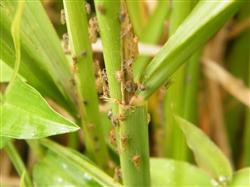
How to control brown planthopper? Detailed explanation of control methods and techniques
How to control brown planthopper? Please introduce methods for controlling brown planthopper. It is necessary to apply insecticides at the appropriate time according to the occurrence and damage characteristics of brown planthopper, and select suitable insecticides according to the occurrence situation of brown planthopper in the field. Occurrence and damage characteristics of brown planthopper: brown planthopper is a migratory pest and cannot overwinter north of 25°N...
-
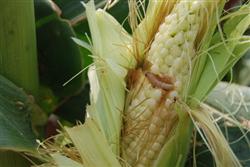
What are the control methods for corn borers?
How to control corn borers? Please explain the methods. Corn borers (corn borer) are a major pest of corn. In years with severe infestation, they can reduce corn yields by more than 20%. Their larvae bore into the main stalk and ears, which can break the main stalk of corn, causing reduced yield and quality. In the past, controlling corn borers mostly used methods such as pouring pesticide solution into the whorl, spraying, or applying poisoned soil into the whorl, which was labor-intensive and ineffective, and easily caused crop damage and human and livestock poisoning. Using granule formulations to control corn borers not only has low cost, saves labor, and is effective, but also is unlikely to cause human and livestock poisoning or crop damage. The following points should be mastered:
-
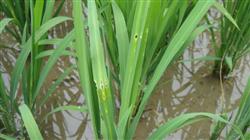
What are the control methods for rice stem borers?
What methods are there to control rice stem borers? Please provide an introduction. The following methods can be used to control rice stem borers: 1. Eliminate overwintering insect sources: Through plowing for planting or shallow rotary tillage to remove stubble, reduce the amount of residual rice stubble, clean up rice straw, and remove wild rice stems and weeds along field edges and ditches, to reduce insect sources, destroy the overwintering sites of stem borers, and lower their overwintering survival rate.
-
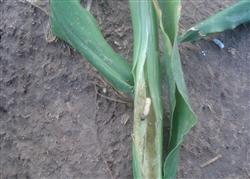
What are the control methods for the ginger stem borer?
What methods are there to control the ginger stem borer? Please describe the methods. When ginger grows to about 20 cm, the first generation of stem borers begins to cause damage. The newly hatched larvae first damage the tender leaves, and by the 3rd instar they begin to bore into the stems, mostly entering at the 2nd to 3rd nodes, often causing the central leaves to wilt or the whole plant to die. The second generation of stem borers mostly bores into the stems from the middle and upper parts...
条件筛选