What are the control methods for fig root rot?
In the past, figs were mainly grown by individuals on a small scale, but in recent years, with the spread of the internet and the expansion of the market, figs have a unique taste and have been sought after by more people. Now they are being planted and promoted on a large scale in various regions of the country. Among the common diseases of figs, root rot is relatively serious, directly destroying the root system and causing the death of the whole plant in severe cases, so I plan to focus on explaining the control methods for root rot.
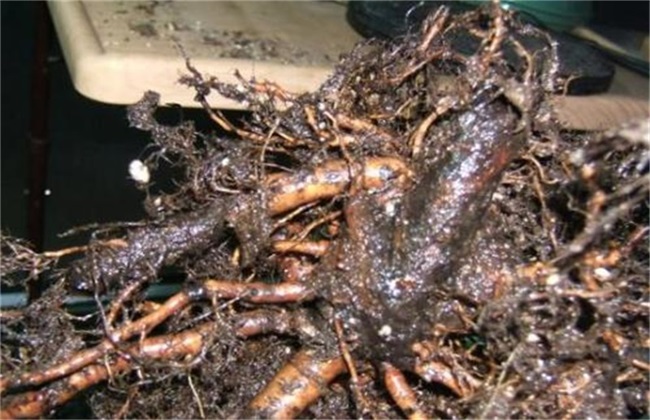
I. Causes of the disease
After heavy rainfall in the rainy season, if drainage is not timely, low-lying terrain causes water accumulation, and after waterlogging, the root system cannot breathe and cannot get enough oxygen, stops growing, and root rot occurs, allowing pathogens to invade. Or the newly developed root system has weak growth vigor and no disease resistance, making it easy to be invaded and damaged. In summer, high temperatures cause the plant to lose nutrients and its resistance declines, making it easy for pathogens to invade. In winter, the pathogens mainly overwinter in the root soil and cause damage year after year.
II. Signs and symptoms
At first, it harms young figs, first infecting part of the root hairs, then the entire root system, and finally spreading to damage the main root. The affected root system appears dark brown or black and rotten. When the root system is being damaged, there is no obvious change in the aboveground part of the plant. When the main root is damaged, the plant leaves begin to turn yellow, wilt, and fall off, and the fruit shows separation of the flesh. In severe cases, the whole plant dies.
III. Control measures
Clean the orchard in winter, promptly remove diseased plants, take them out of the field, and burn them in a centralized manner or bury them deeply to prevent the pathogens from overwintering and continuing to cause damage the following year. For the root system that is lightly damaged, prune and mound soil, and clear the ditches to prevent blockage.
In the early stage of the disease, spray 40% carbendazim wettable powder, twice a week, for three consecutive applications. Spread quicklime on the fig seedling beds and planting pits, or irrigate with lime solution for disinfection. Before carrying out cuttings of fig plants, they can be soaked in carbendazim for two hours. Soak the base of the branches and spikes in the medicinal solution for disinfection treatment, and then carry out the cuttings. During the seedling stage, spray with 40% formalin. After diseased planted seedlings are infected, the corresponding agents such as tolclofos-methyl, copper methyl arsenate, Bacillus subtilis, and other agents can be added to naphthaleneacetic acid-type drugs to prepare a solution, and root irrigation control of fig plants can be carried out once a week. With continuous irrigation for several weeks, the root system can basically be cured.
There are many diseases of figs, but the common and relatively harmful disease must be root rot. The above main content is about the causes and control methods of fig root rot. I hope this can be of some help to everyone.