Disease and Pest Prevention Patterns, Causes, and Control Methods for Spider Plants
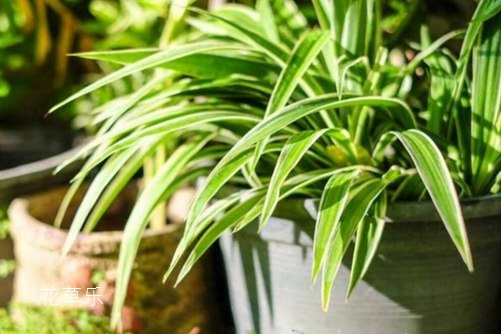
Spider plant, also known as ribbon plant, bracket plant, spider ivy, orchid grass, folding crane orchid, and air purifier, is native to Africa. It is a dominant presence among indoor green plants and has the reputation of a “green purifier.” It is relatively easy to grow, but it cannot avoid the invasion of pests and diseases. If pests and diseases cannot be prevented and controlled, it will affect the growth of the spider plant and greatly reduce its ornamental value. Sometimes the reason it becomes diseased is your improper care. Doing that is not loving it. Next, Huacaole will introduce to you the occurrence patterns, causes, and control methods of spider plant pests and diseases!
Doing That Is Not Loving It: Disease Prevention Patterns, Causes, and Control Methods for Spider Plant Pests and Diseases
I. Root Rot
Pattern: It is generally more common on spider plant seedlings, and adult plants are less likely to develop the disease. Early symptoms are not obvious, but as root rot worsens, the leaves gradually wither. If the condition is severe, the entire spider plant may drop all its leaves overnight.
Causes: Soil that is too wet, poor ventilation; roots suffering from pests and diseases, with pathogens invading the plant; insufficient light; temperatures that are too low, and large temperature differences between day and night.
Control methods: Disinfect and sterilize the seeds and soil before sowing; when the disease occurs, drench the roots with 40% root rot fungicide once a week until it recovers.
II. Southern Blight
Pattern: The diseased area is located at the rhizome near the soil surface. In the early stage, there are purplish-brown spots, which later gradually spread to the leaf stalks, causing the leaf stalks to rot, and white mycelium appears on the diseased area.
Causes: High temperature and humidity; waterlogged soil; poor ventilation.
Control methods: Water moderately, fertilize reasonably, and do not plant too deeply. During the disease period, disinfect by scattering lime powder around the pot, 2-3 times a month; if the disease becomes severe later, drench the roots with a thiophanate-methyl solution.
III. Stem Rot
Pattern: It mostly occurs on old plants. The stems turn brown, the leaves lose their luster and keep drooping, and eventually the whole plant gradually withers and dies. Once this disease occurs, it is difficult to treat, so prevention should be the priority.
Causes: Humid soil and air; being placed in a shady area for a long time.
Control methods: Before the peak season of the pathogen, try not to divide the plant or repot it, and reduce wounds on the leaves; during the peak season of the pathogen, reduce watering frequency, keep the soil relatively dry, and provide sufficient light and water. Also, regularly use medication for sterilization.
IV. Anthracnose
Pattern: It mainly damages the leaves. In the early stage of the disease, many yellow-brown, slightly sunken small spots appear, and later the spots gradually enlarge. Along with the appearance of the small spots, the leaves dry up rapidly, and in severe cases the whole plant dies.
Causes: A stuffy, hot, and humid environment with poor ventilation; waterlogged soil and overly dense planting; leaves invaded by pathogens due to damage.
Control methods: Ensure good ventilation, promptly remove diseased plants when found, and clean them up thoroughly. Spray the leaves with Bordeaux mixture to sterilize and disinfect. Water at the right time to avoid excessive soil moisture. Fertilize moderately, with increased phosphorus and potassium fertilizer.
V. Pests
Spider plants are easily attacked by insects such as nematodes, aphids, and beetles. Pest damage is a bacterial infection and should be taken seriously.
Pattern: It is likely to occur on young plants and mature plants. Young plants have poor resistance, and mature plants also suffer pest damage because wounds from transplanting and other causes become infected.
Control methods: Usually strengthen water and fertilizer management to improve the plant's resistance. Once the disease occurs, in the early stage when there are very few insects, you can remove them by hand or rinse them with clean water, but do not damage the leaves; in severe cases, insecticides can be used to kill the pests, 1-3 times a month, and the spider plant will recover within a month. If the condition is very serious, eradicate it promptly to avoid affecting other healthy plants.
Summary
Fellow flower growers must pay attention and be sure to grow plants according to their habits. If it likes moisture, place it in a humid environment; if it is drought-tolerant, do not water it frequently. All things have their own patterns of growth. Be sure not to violate the laws of nature, otherwise you will surely bring disaster upon it.