-
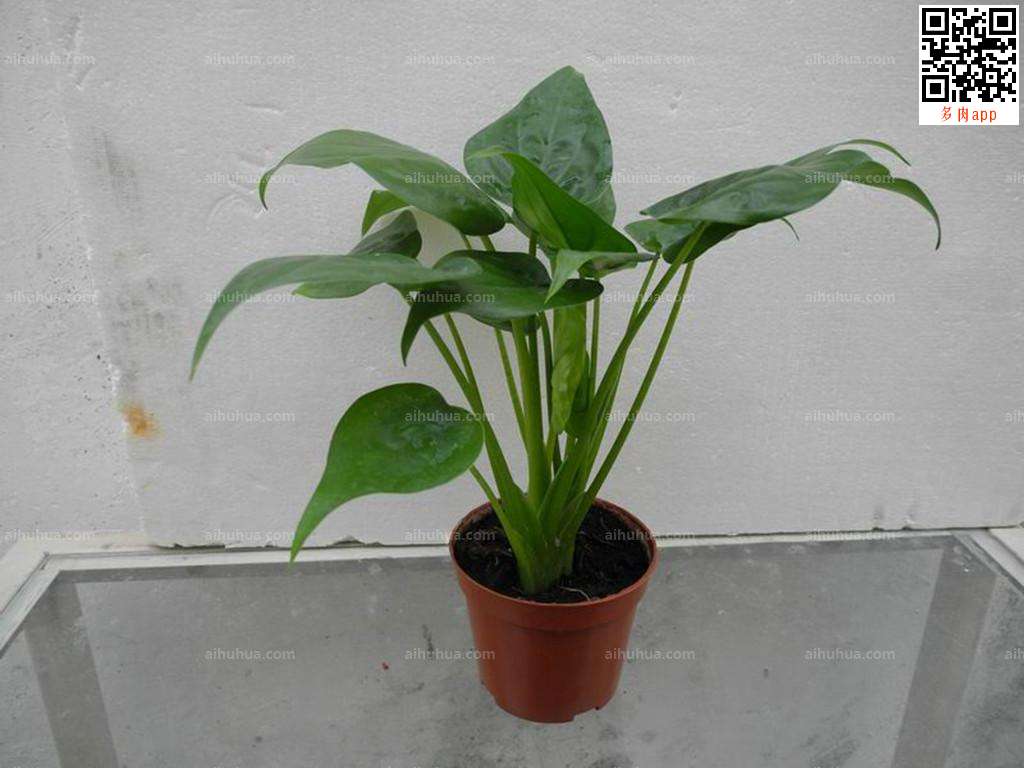
What are the control methods for sunscald disease in Alocasia macrorrhiza?
It occurs everywhere, and the leaves, flowers, stems and fruits of many woody and herbaceous flowers can be affected, hindering their ornamental value. Symptoms: In summer, when plants are exposed to intense sunlight, water-soaked spots appear on the leaf surface, which then rapidly lose water and turn grayish-white. Disease pattern: The longer a plant grows in the shade, the more tender its tissues become; the higher the temperature in sunlight and the longer the exposure, the more severe the disease.
-

What are the control methods for stem rot in carnations?
Stem rot is a devastating disease of carnations. The main affected parts are the lower branches and leaves. The lesions are round, oval and irregular in shape, red-brown, turning dark brown in severe cases and grayish white to gray in the later stages. The diseased leaves do not fall off after drying out. When a lesion on a branch encircles the stem
-

How to prevent and control carnation leaf spot? A detailed guide to practical methods
Carnation leaf spot, also known as branch rot and stem rot, is a worldwide disease that harms carnations most severely, and also harms Dianthus barbatus (sweet William), Dianthus chinensis, Dianthus plumarius, Saponaria officinalis and others. In Shanghai, Hangzhou, Guangzhou, Kunming and southern Jiangsu Province, areas where carnations are propagated are also affected by this disease
-

What are the control methods for anthracnose in gardenia?
[Symptoms] The disease mainly affects the leaves of gardenia. It starts from the leaf tip and leaf margin, forming irregular or nearly circular brown spots. Sometimes the entire leaf turns brown, and in severe cases it causes branch dieback or the death of the whole plant. The disease mostly starts on the lower leaves of the plant. Under humid conditions
-
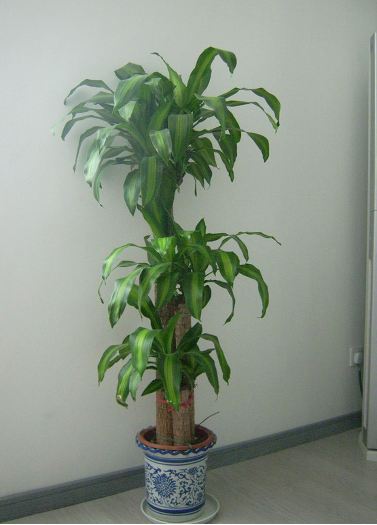
What to Do When a Dracaena fragrans Gets Anthracnose? Detailed Prevention and Control Methods
[Symptoms]It mainly affects the leaves. In the early stage, the spots on the leaves are nearly round to oval, then expand and lengthen, becoming white, greyish-white to reddish-brown, with distinct but irregular edges; in the later stage, small black dots appear on the spots, namely the pathogen's acervuli.
-
What to Do When Asparagus Fern Gets Branch Blight? Detailed Control Methods
[Symptoms] It first appears on weak-growing small branches. The lesions are initially thread-like or spindle-shaped, gradually spreading to the upper branches, causing leaf drop. Infected branches gradually turn light brown, and finally pale yellow. In humid conditions, dense small black dots form on the infected branches. [Pathogen and disease pattern] It is a fungal disease.
-
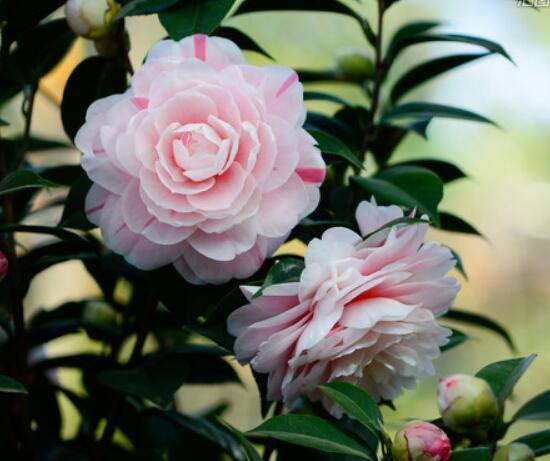
How to prevent and control camellia pests and diseases? A full breakdown of practical control methods
Camellia leaf spot disease occurs severely during the plum rain season in the south. First, small silvery-gray round spots appear on the leaves, then they grow larger and larger, and finally many lesions merge together, producing many small black dots on top. These black dots are the conidia of the pathogen, and when they fall onto other leaves they can continue to cause disease, expanding the infection.
-
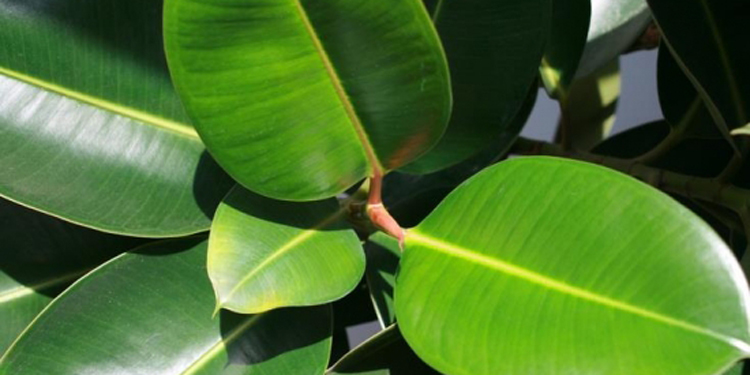
What are the control methods for rubber plant diseases?
Rubber plants (Ficus elastica) are mainly susceptible to anthracnose and gray leaf spot. Anthracnose mostly occurs on the leaves, especially on both sides of the veins. The spots are initially round or oval gray patches, which then gradually spread to the entire leaf: in the later stage of anthracnose, black granular bodies appear on the spots, and under humid conditions a pinkish colloidal substance can be squeezed out.
-
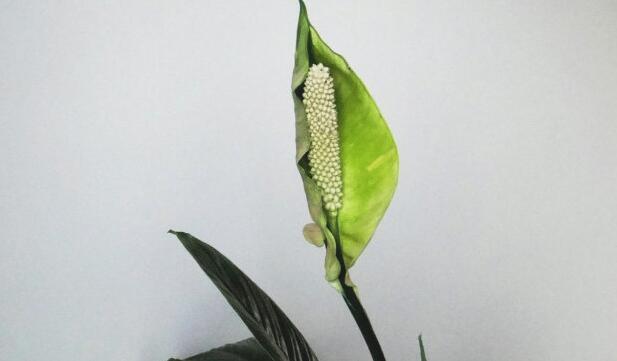
Common pests and diseases of the peace lily and their control methods
(1) Diseases. Common diseases include bacterial leaf spot, brown spot and blight, along with root rot and stem rot. Bacterial leaf spot has two modes of infection. The first infection type begins on the leaves and is called leaf infection. Leaf infection usually starts at the leaf margins and on the lower part of the leaf where there are more stomata. In the early stage
-
Gardenia Anthracnose: Control Methods and Detailed Introduction to Treatment Fungicides
[Symptoms] This disease mainly affects the leaves of gardenia. It starts at the leaf tips and leaf margins, forming irregular or nearly circular brown lesions. Sometimes the entire leaf turns brown, and in severe cases it causes branch dieback or death of the whole plant. The disease mostly starts on the lower leaves of the plant. Under humid conditions
条件筛选