-
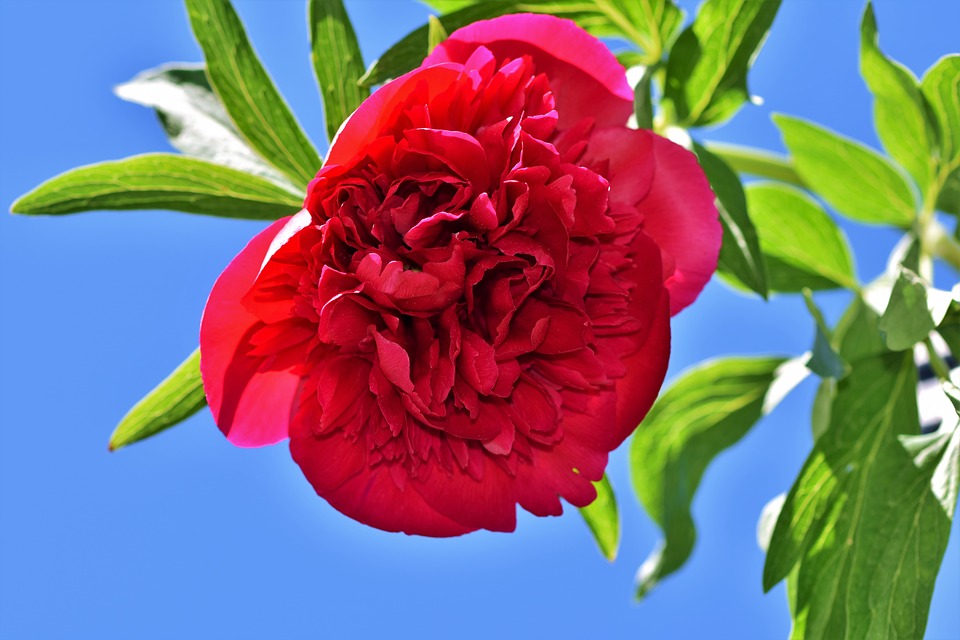
How to prevent and control common flower diseases and pests? All the practical methods are here
The flowers we cultivate today, whether woody plants or herbaceous flowers, were all introduced from the wild into artificial cultivation. Under long-term careful artificial management, the stress resistance of flower plants gradually declines; from fearing no wind or rain, accustomed to braving the elements, they become delicate and fragile, unable to withstand the slightest wind. Therefore
-
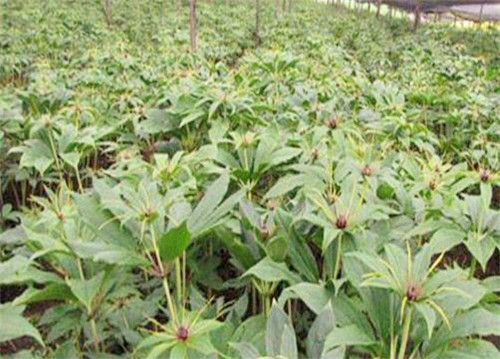
Paris polyphylla (seven-leaf-one-flower) planting techniques and pest and disease control methods
Paris polyphylla, also known as seven-leaf-one-flower, is a perennial herb with anti-inflammatory and analgesic, blood-activating and stasis-dissolving, and heat-clearing and detoxifying effects, and is a powerful medicinal Chinese herb. As wild Paris polyphylla is continuously depleted while demand for it keeps growing, its price has also risen, and many people have chosen to cultivate it
-

What are the control methods for water lily leaf rot?
[Symptoms]It commonly affects the emergent leaves. In the early stage of the disease, chlorotic spots appear on the leaf surface of water lilies, the surrounding tissue necroses, and later expands into irregular lesions, light brown to dark brown. On floating leaves, dark to dark gray large spots with indistinct concentric rings appear, scattered with small black dots, causing the leaf margins to die back. In the late stage of the disease
-
A Complete Guide to Pest and Disease Control Methods and Techniques for Mock Lime (Aglaia odorata)
Pest and disease control for mock lime. During the growing period, mock lime suffers from the following diseases: stem rot and anthracnose; and the following pests: the white wax cicada (Lawana imitata), aphids, red spider mites, brown soft scale, and other pests. Mock lime stem rot occurs on the stems of the plant. In the early stage of the disease, small black spots appear, which after expanding become streak-shaped, dark brown
-
What to do about leaf curl disease in plum blossoms? Causes and control methods
Causes and control methods of leaf curl disease in plum blossoms. So-called leaf curl disease refers to plum blossoms under water-deficient conditions, where both sides of the leaf fold inward toward the center of the upper surface and curl, showing a listless, wilted state; it is a physiological disease. Leaf curl disease not only affects the beauty of the plum tree, but in severe cases can cause leaf drop.
-
How to prevent and control leaf spot disease in geraniums? A detailed guide to practical methods
[Symptoms] In the early stage of the disease, chlorotic spots appear on infected leaves, and the spots gradually expand afterward, forming relatively large round lesions. The lesions are dark brown with concentric rings. In the late stage of the disease, a dark green mold layer appears on the lesions, which consists of the conidia of the pathogen
-

Identification and Control Methods for Common Pests and Diseases of Serissa
(1) Damping-off: This disease is caused by infection by the fungi Pythium aphanidermatum and Pythium ultimum, and is a seedling-stage disease that seriously threatens the growth of Serissa. On affected seedlings, water-soaked lesions first appear at the base of the stem, then turn brown and become sunken and shrunken; afterward the diseased area rapidly girdles the stem, causing the seedling to collapse. Finally the diseased seedlings rot and dry up.
-
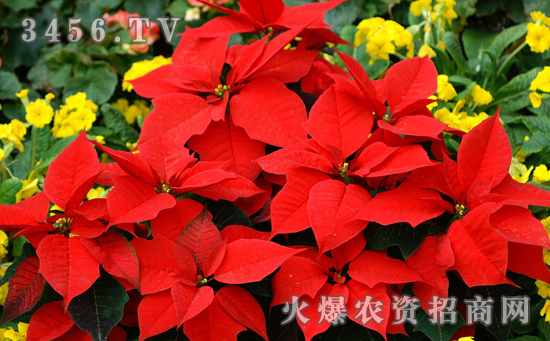
Poinsettia Pest and Disease Types and Control Methods
Common diseases of poinsettia include Pythium rot, gray mold, powdery mildew, and Rhizoctonia, while common pests include whitefly, thrips, spider mites, and fungus gnats. (1) Control of Pythium rot. Keep the potting soil moist, avoiding drying out, overwatering, and excessive salt levels; check the root system regularly, and if the potting soil has dried out,
-
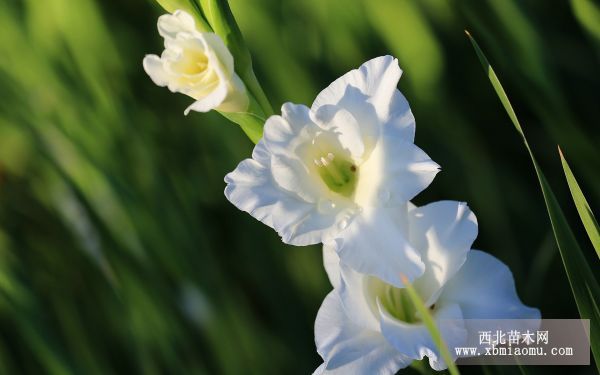
What pests and diseases affect gladiolus? Detailed guide to prevention and control methods
The main pests and diseases of gladiolus include corm rot, fusarium wilt, rust, nematodes and root mites. Prevention and control of corm rot: this is a disease that frequently occurs during corm storage. Initially, light brown slightly sunken and wrinkled lesions appear on the corms, which shrink and become dry and hard, with a blue-green mold layer forming on them. After planting, the plants either fail to sprout or grow abnormally
-
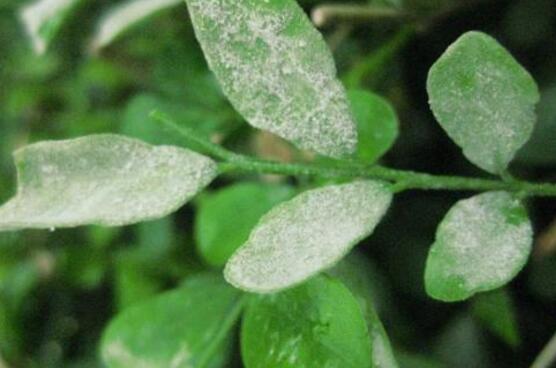
What to Do When Orange Jessamine Gets Leaf Blight? Detailed Control Methods
[Symptoms] The disease occurs on the leaves, mostly starting from the leaf tips and margins, and in severe cases can also spread to the shoot tips and young stems. The lesions first appear as faded green yellow spots, spread rapidly, and soon infect the whole leaf, turning it yellowish-brown. In the later stage, the leaves dry up and are covered with black granular bodies, which are the pycnidia of the pathogen.
条件筛选