-
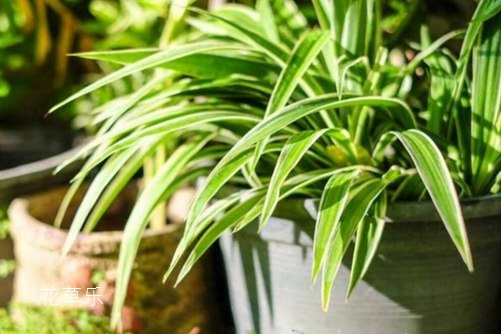
Disease and Pest Prevention Patterns, Causes, and Control Methods for Spider Plants
Spider plant, also known as ribbon plant, bracket plant, spider ivy, orchid grass, folding crane orchid, and air purifier, is native to Africa. It is a dominant presence among indoor green plants and has the reputation of being a green purifier. It is relatively easy to grow, but it cannot avoid the invasion of pests and diseases. If pests and diseases cannot be prevented and controlled, it will affect the growth of the spider plant.
-
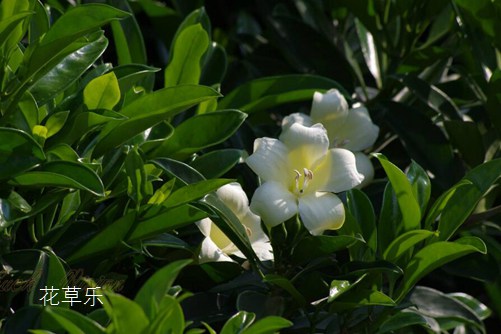
What to Do When African Jasmine Has Pest Problems? All the Control Methods Are Here
African jasmine is a plant suited to indoor placement, easily adapts to any environment, and is fairly easy to grow. Moreover, African jasmine generally does not often suffer from pests and diseases, but occasionally some do occur. So what pests and diseases might occur, and how should they be handled when they do? What should be done when African jasmine has pest problems
-

Identification and Control Methods for 11 Common Pests of Flowers and Plants in Spring
Right now spring is in the air and all things are reviving, a great period for the growth of potted flowers and plants. All kinds of flowers and plants begin to sprout and resume growth, and this season is also a peak period for the growth of various pests. If prevention and control are not carried out promptly, potted flowers and bonsai, as well as foliage plants that show the most obvious symptoms, will be infected with pests and diseases
-
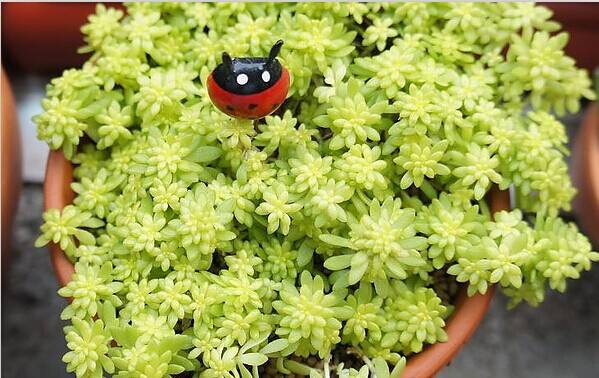
Identification and Control Methods for Major Pests and Diseases of Plum Blossom
According to preliminary statistics: plum blossom has more than 170 kinds of pests and diseases, including more than 30 kinds of diseases and more than 140 kinds of insect pests. The plum blossom, with its dignified plant form, vigorous trunk and branches, verdant leaves, lovely flowers, rich colors, and delicate fragrance, is one of the traditional famous flowers most beloved by Chinese people
-

Tulip Pest and Disease Prevention and Control Methods
Growing tulips really can bring people a feeling of visual delight, but you must also always pay attention to pest and disease prevention and control, and take good measures to protect them. I have put together the pest and disease prevention and control methods for growing tulips for you. 1. Tulip gray mold rot. The pathogen of tulip gray mold rot is Pellicularia, and this is a fungal disease
-
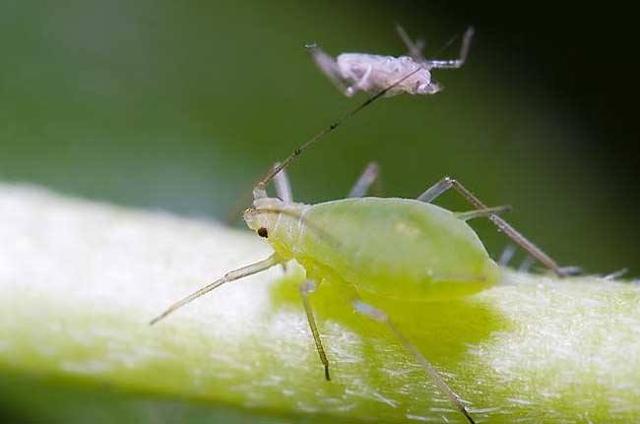
What to Do When Aphids Appear on Flowering Plants? A Summary of Highly Effective Aphid Control Methods
Flowers and plants often attract aphids, and their destructive power is strong. They usually attach to the underside of plant leaves, then suck the plant's sap; the leaves gradually turn yellow, and the plant gradually becomes stunted and cannot grow tall. In severe cases, the flowers may even wither. Spring and autumn are the seasons when aphids are most prevalent.
-
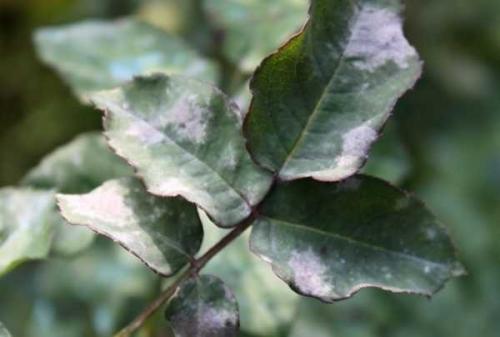
Common Pest and Disease Control Methods for Roses and Chinese Roses
Many gardening enthusiasts who love growing roses and Chinese roses often encounter four common diseases of roses and Chinese roses, such as: black spot disease, powdery mildew, branch blight, and crown gall disease. Occasionally, there are also other diseases such as rust, downy mildew, anthracnose... etc., but they are not as serious as the first four diseases
-
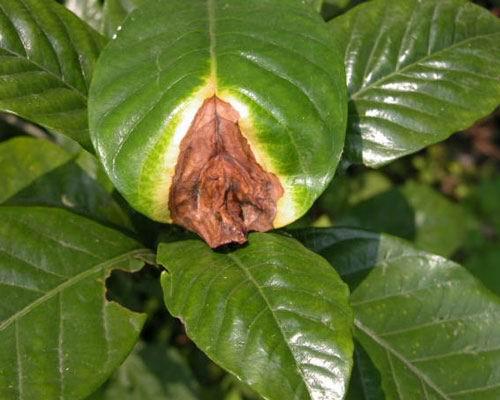
Pest and Disease Control Methods for Gardenia Cultivation
Pest and disease control for gardenia cultivation: Gardenia anthracnose. [Symptoms] This disease mainly affects the leaves of gardenia. It starts from the leaf tip and leaf margin, forming irregular or nearly circular brown lesions. Sometimes the entire leaf turns brown, and in severe cases it causes branch dieback or death of the whole plant.
-
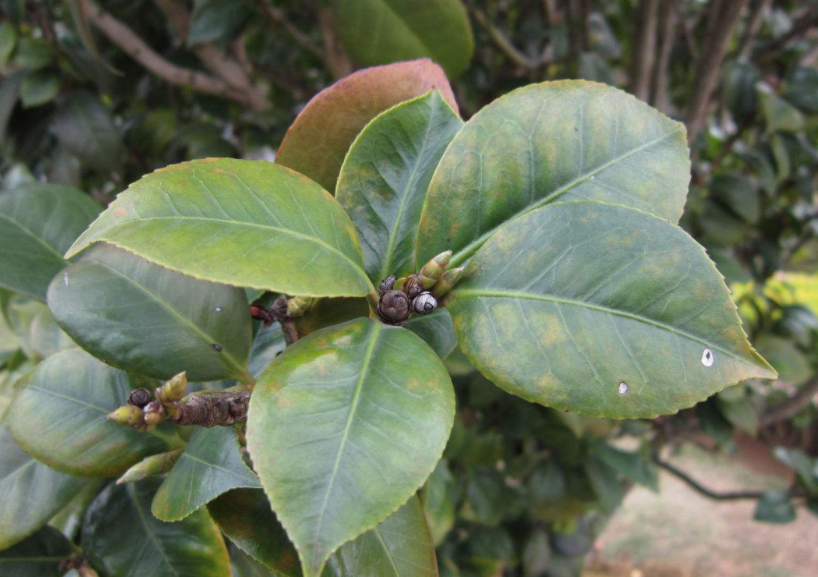
A Complete Guide to Camellia Disease Prevention and Control Methods
Camellia disease prevention and control methods: when the outbreak is small, gently wipe the mold layer clean with clean water; when the amount is large, spray 50% carbendazim at a 500-800 times dilution for control. Promptly eliminating pests such as scale insects and aphids can reduce the occurrence of sooty mold. Gray leaf spot, sooty mold and root rot are relatively common on camellias.
-
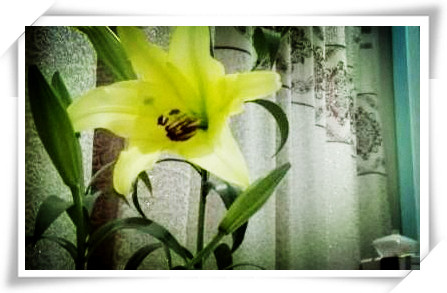
Symptom Identification and Control Methods for Lily Leaf Scorch
Lily, also known as Qiangshu, Fanjiu, Shandan, Daoxian, Chongmai, Zhongting, Moluo, Chongxiang, Zhongfenghua, Baihesuan, Dashifusuan, Suannaoshu, Yehehua and so on, is a perennial herbaceous bulbous plant of the genus Lilium in the family Liliaceae. It originated in China and is mainly distributed in temperate regions of the Northern Hemisphere, including eastern Asia, Europe and North America
条件筛选