-

What to Do About Continuous Garlic Cropping? Detailed Explanation of Prevention and Control Methods
Question: Because garlic has been planted for many years, the garlic in the field now gets sick every year, and the bulbs get smaller year after year. Changing the seed garlic does not help. Is it a problem with the soil? What should be done? Answer: When garlic is continuously cropped for many years, various soil-borne diseases and root maggots worsen year by year, which can easily lead to garlic disease and poor growth. For the above fields, it is best to practice paddy-upland rotation of garlic with rice, or rotate garlic with non-garlic upland crops for more than 3 years.
-
What to Do About Garlic Continuous Cropping? Practical Control Methods Shared
Yongnian County is a major garlic-growing county, but in recent years, continuous year-after-year garlic planting has caused physiological diseases to become increasingly severe. In addition, garlic's selective absorption of nutrients has made the problem of insufficient nutrient supply prominent, showing symptoms such as dead seedlings, root rot, anthracnose, and in the later stage some cylindrical leaves like scallion leaves, which are unfavorable for the normal bolting of garlic scapes. This not only increases the labor intensity of garlic farmers but also reduces garlic yield. Changing the garlic root environment is the key to increasing garlic income, as follows: apply "Nong Dage" or "Chongcha No. 1" biological bacterial fertilizer per mu of garlic
-
Why must organic fertilizer be applied continuously for sustained high cotton yields?
Although cotton is a relatively tolerant crop when it comes to poor soil, achieving high and stable yields requires cotton fields to have fairly high fertility. According to measurements by the Cotton Research Institute of the Chinese Academy of Agricultural Sciences, most cotton fields nationwide currently have insufficient fertility, and the levels of various nutrients vary widely and are very unbalanced. This is especially true in the cotton region of the Yellow River basin, where organic matter content is low, nitrogen supply is insufficient, available potassium content is declining rapidly, and the trace elements zinc and boron are also in the deficient or potentially deficient range. These have become important factors restricting the sustained and stable increase of cotton yields. Cotton is a deep-rooted crop, and its growth
-
A Detailed Guide to Pollution Prevention Methods for Continuous Cultivation of Edible Mushrooms
In edible mushroom production, continuous cultivation leads to an increasing buildup of contaminant microorganisms, causing the success rate of mycelial colonization to drop sharply, and the fruiting period also becomes highly susceptible to disease infection. In mild cases this reduces yield; in severe cases it leads to total failure. So, in continuous edible mushroom cultivation, how can contamination be prevented? In edible mushroom production, the contaminant microorganisms that appear have a certain degree of host specificity. Contaminants of oyster mushroom (Pleurotus ostreatus) do not affect shiitake (Lentinula edodes), contaminants of shiitake do not affect wood ear (Auricularia heimuer), and so on; even among different varieties of the same type, cross-infection is not easy. Therefore, attention should be paid to rotating varieties.
-

Do Canna Lilies Need Pruning? Three Pruning Methods to Keep Them Blooming Continuously
Do Canna Lilies Need Pruning? Canna lilies have extremely vigorous vitality, and their growth rate is one of the faster types among plants. They can grow to 1.5 m or even taller in a very short time, and they can also produce new shoots from their stems and branches. So do canna lilies need pruning? The answer is yes. ① Pruning canna lilies
-

Four-season care methods for fuchsia: four techniques to keep it blooming continuously
We have emphasized the importance of care methods in our article on fuchsia pest and disease control. Good care techniques can protect fuchsia from many diseases and pests, and usually the methods need to be adjusted constantly with the changing seasons. Below, let us learn about the four-season care methods for fuchsia
-
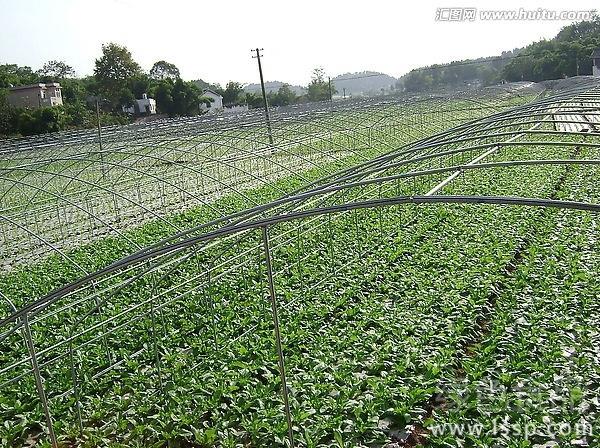
The Harm of Continuous Rainy Weather to Greenhouse Vegetables and Prevention and Control Measures
The Harm of Continuous Rainy Weather to Greenhouse Vegetables and Prevention and Control Measures
-
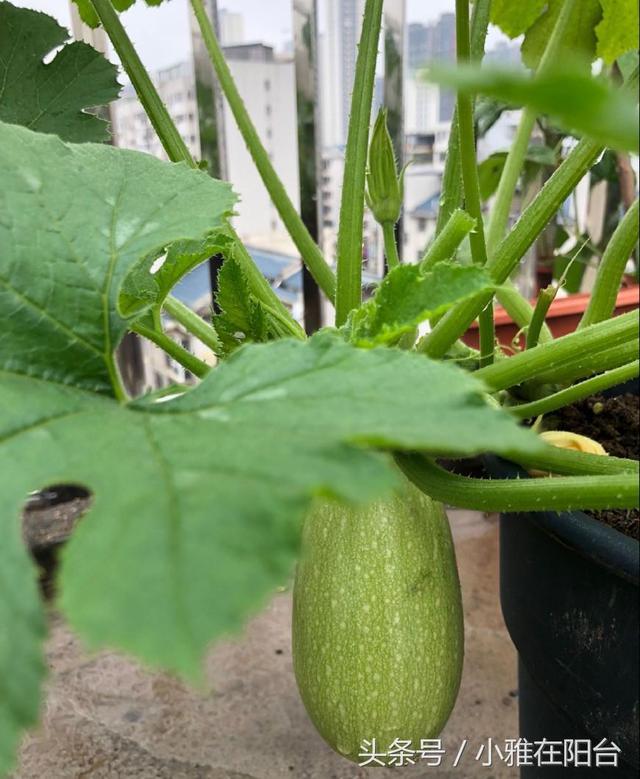
Continuous harvests of scallions and chili peppers, grow a small vegetable garden at home with a handful of seeds and a few boxes
No matter how small the balcony is, even if it is just a small terrace or a rooftop, make good use of it. With a little careful tending, you can build a small vegetable garden with your own hands and grow some vegetables your family eats often. Every day you see the lush green...
-
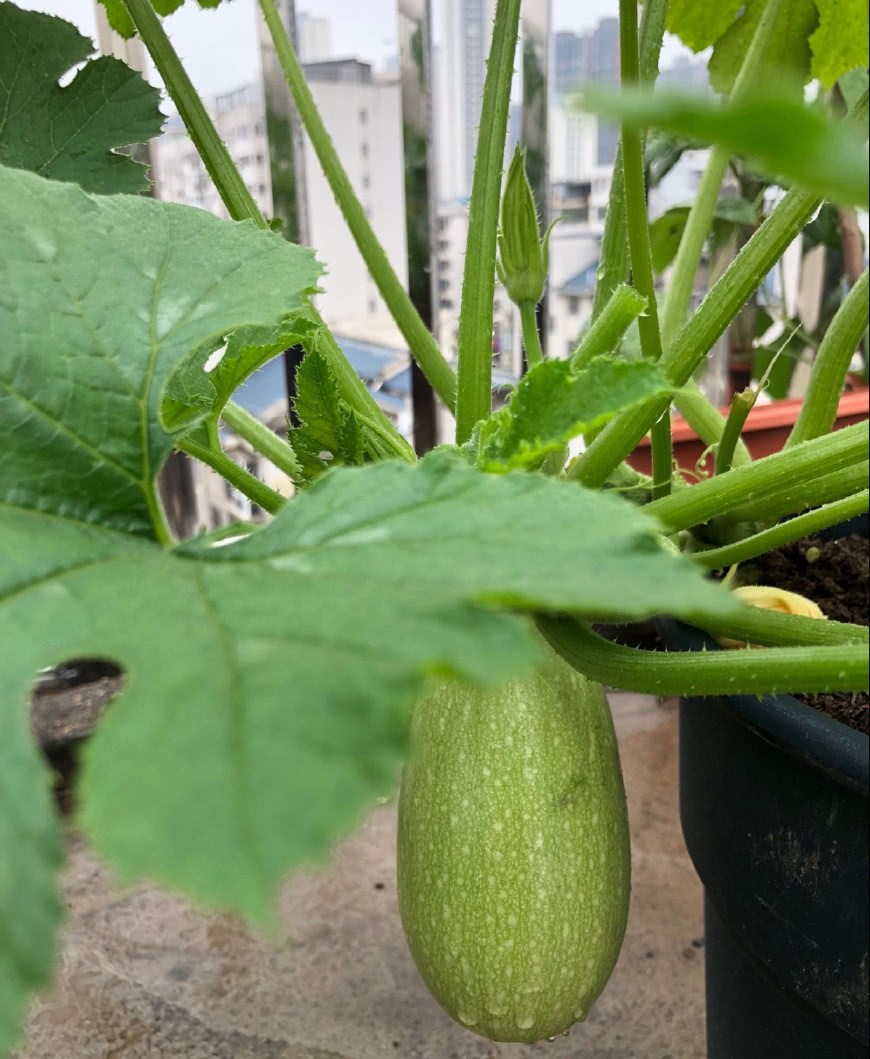
Grow scallions and chili peppers at home in a few boxes; a handful of seeds gives you a continuous harvest
Even if the balcony is tiny, even if you only have a small terrace or a rooftop, make good use of it. With a little careful tending, you can create a small vegetable garden with your own hands, growing vegetables your family eats often, and seeing the lush green...
-
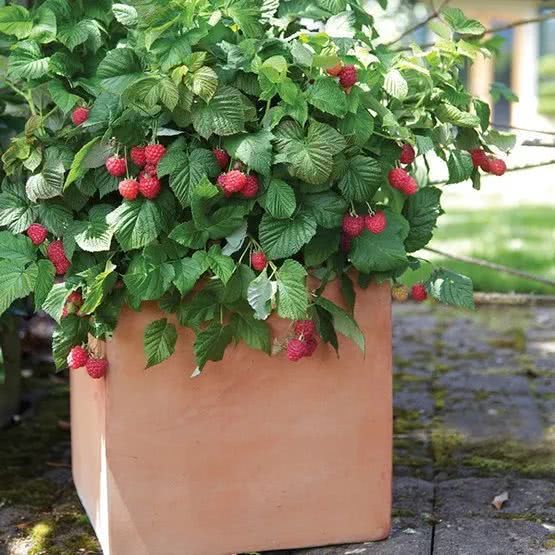
Potted raspberries keep fruiting continuously, and they don't mind the cold of winter
Raspberry, also called thorny bramble, is a shrub fruit that is very easy to grow. You can plant it in the yard, and it can also be kept as a potted plant. It is a perennial plant that sprouts new shoots every year after the warmth of spring arrives, and you can also...
条件筛选