-
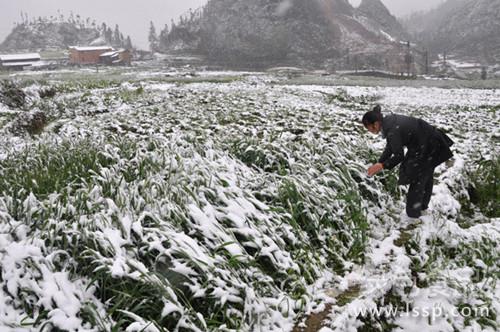
Century cold wave sweeps across most of China, how to prevent post-snow frost damage in wheat?
Century cold wave sweeps across most of China, how to prevent post-snow frost damage in wheat
-
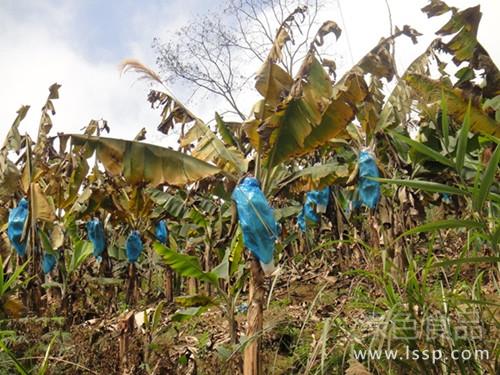
Causes of Cold Damage to Banana Trees and Fruits and Prevention Methods
Cold Damage to Banana Trees and Fruits: Causes and Prevention Methods
-
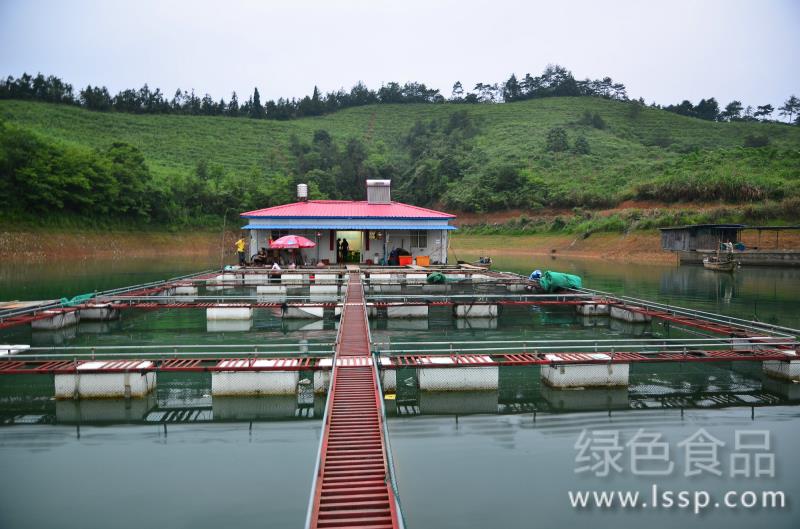
Three major issues to prevent when raising fish in winter: shallow water, oxygen deficiency and cold damage
Preventing shallow water, preventing oxygen deficiency, preventing cold damage: three points to watch when raising fish in winter
-
How to prevent and control banana cold damage? Prevention and control methods and key technical points
What causes banana cold damage? How to prevent and control banana cold damage? Experienced netizens are also asked to help explain. In some tropical regions, bananas are even used as a staple food, and they contain multiple trace elements and vitamins, helping the human body strengthen resistance to disease and effectively promoting appetite and aiding digestion. However, banana cultivation often...
-
Management advice for spring potatoes after late-spring cold damage
1. Variety selection. Leaf lettuce is grown mainly for its leaves, which are eaten mostly raw, hence it is also called lettuce. The leaves are deeply lobed and wrinkled; it is highly adaptable and easy to cultivate. Good varieties include Guangzhou Dongshan lettuce (soft-tail lettuce), glass lettuce, Lettuce King, and American Great Quick Growth, etc. 2. Seedling raising. Leaf...
-
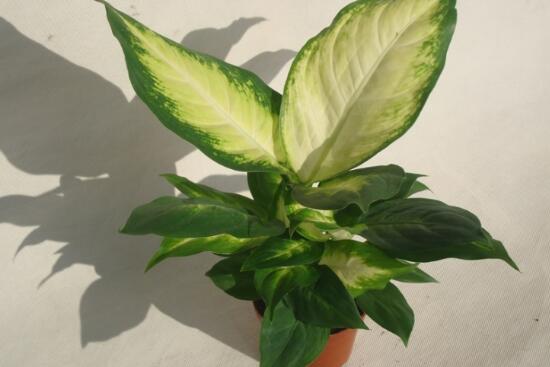
What to do about cold damage in Dieffenbachia? Warm it up, prune, then apply plant ash to the wounds
Dieffenbachia (also known as dumb cane) is currently one of the most popular foliage plants. Although it is toxic, it is kept as a potted plant in many homes because it looks good and has strong benefits. However, because many flower lovers are beginners, they do not know that Dieffenbachia is sensitive to cold, so they fail to provide adequate winter protection, ultimately causing the Dieffenbachia to suffer cold damage
-

How to Prevent Cold Damage in Rice? Detailed Explanation of Fertilization Measures
Fertilization case: In 2006, in rice-growing areas such as Shangzhi City, Heilongjiang Province, during the early stage of rice growth, some rice seedlings encountered low-temperature weather below 17°C, and rice cold damage problems of varying degrees occurred. In the rice-growing areas of Ningxia and Zhangjiakou, Hebei in the northwest region, in autumn during the late stage of rice growth, just at the grain-filling stage, the temperature suddenly dropped below 20°C, causing rice to suffer cold damage, which was very unfavorable for grain filling, and the seed-setting rate decreased by 10-20%, with severe cases decreasing by more than 50%. Expert comments: In northern rice-growing areas, in order to defend against the cold damage problems brought to rice production by low-temperature weather
-
A Detailed Explanation of the Effects of Low-Temperature Cold Damage on Rice and Defensive Measures
Rice cold damage refers to the disaster in which rice is affected by low temperatures below the minimum critical temperature for growth, resulting in the inability of rice to grow and develop normally and thus causing reduced yields. Depending on the period of damage, it can be divided into delayed-type cold damage, sterility-type cold damage, and mixed-type cold damage. I. Types and Characteristics of Rice Cold Damage 1. Delayed-type cold damage: During the vegetative growth period of rice, and sometimes also during the reproductive growth period, the plant is harmed by relatively low temperatures over a longer period, which weakens the physiological activity of the rice plant, delays its development, postpones heading and flowering, and prevents full grain filling and
-
Cold damage prevention and control methods and key technical points for rice at the panicle elongation stage
Rice pollination at the panicle elongation stage greatly needs temperature and oxygen. During this period, cold winds blowing from the northeast are very likely to occur, causing poor pollination, empty and shriveled grains, and reduced yield. Prevention and control techniques for cold damage. First, accelerate rice pollination. From late July to early and mid-August, due to meteorological causes of atmospheric circulation, the temperature generally drops to around 17, causing rice flowers to remain closed and not open, affecting rice pollination and producing empty and shriveled grains. For this kind of obstructive cold damage, scientific management of the paddy field should be strengthened so that rice accelerates through the pollination period and avoids
-
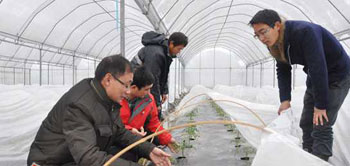
How to prevent cold and freezing damage in agriculture and fisheries? Experts teach you response methods
Experts teach you how to prevent cold and freezing damage in agriculture and fisheries
条件筛选