Three major issues to prevent when raising fish in winter: shallow water, oxygen deficiency and cold damage
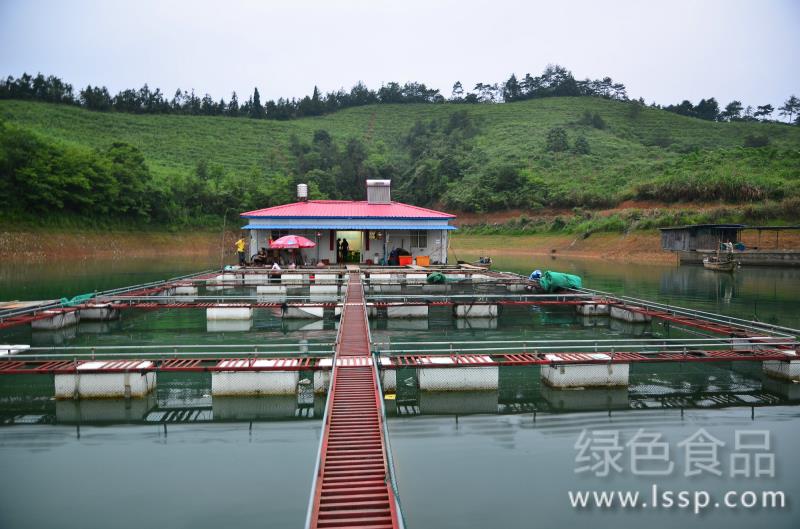
Fish farming
Preventing shallow water:When the water in an overwintering pond is shallow, the water temperature changes quickly and the temperature difference is large, which is unfavorable for fish growth. After the water level drops, the density of the fish school increases, which easily causes oxygen deficiency and makes the fish stop growing or even die. Therefore, the water level of a fish pond in winter should be kept at normal level.
Preventing oxygen deficiency:Under normal circumstances, oxygen-deficiency pond turnover mostly occurs in the high-temperature seasons of summer and autumn and is rarely seen in winter. However, in fertile-water fish ponds, deep dead-water fish ponds and under cage-culture conditions, oxygen-deficiency pond turnover can also occur in winter. In the above waters, as the air temperature drops, the surface water temperature falls and its density increases so it sinks, while oxygen-deficient and anoxic water at the bottom floats upward, causing oxygen deficiency in the upper water body. In addition, in winter the light period is short, so the photosynthesis of phytoplankton in the water weakens accordingly and oxygen production decreases, leading to insufficient dissolved oxygen in the water body. Therefore, in winter, oxygenation measures should be taken in these waters in good time to prevent pond turnover and fish death.
Preventing cold damage:In the cold winter, overwintering fish are easily harmed by cold, so they must be protected from the cold and kept warm: (1) Set up barriers to keep out the cold. Drive stakes along the north side of the fish pond and wrap them with woven bags or straw curtains to reduce the impact of cold waves. (2) Apply manure to raise the temperature. Apply about 500 kg of decomposed livestock and poultry manure per mu of fish pond, using the heat released by the fermentation of the fertilizer to raise the water temperature of the fish pond. (3) Use smoke to create warmth. In winter, the north wind howls during the day and frost often occurs at night, so damp rice straw and the like can be used to light fires and produce smoke along the bank to reduce frost damage. (4) Put in aquatic plants. In winter, put an appropriate amount of aquatic plants into the fish pond so the fish can take shelter from the cold among the plants. (5) Add water to raise the temperature. On sunny afternoons when the temperature is high, add water from shallow ponds with higher water temperature into the fish pond to raise the water temperature of the fish pond.