-
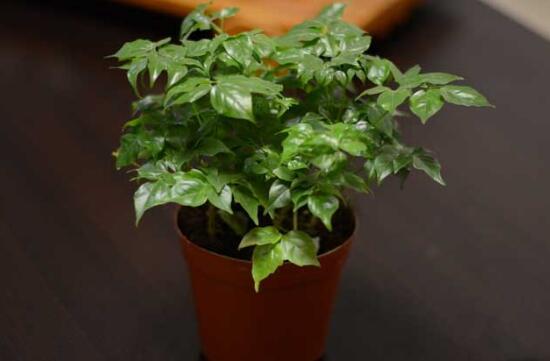
How to grow the happy tree (Radermachera sinica) in pots and the points to note: do not water too much
The happy tree is probably familiar to everyone. It has a sturdy, handsome form and emerald-green leaves, and it is a plant with an auspicious meaning, often grown in pots at home and much loved by flower lovers. In daily life, many people want to grow a happy tree, but most of them do not know how to grow a potted happy tree. In response
-
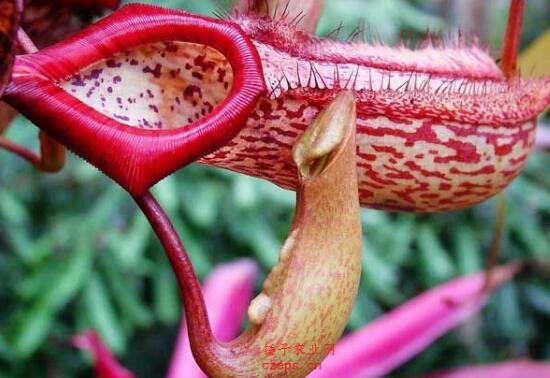
Why does the pitcher plant eat insects? Watch this video of it catching mosquitoes as nutrients
In many people's minds, animals eat plants, but amazing nature overturns all of this, because there exist plants that eat animals, and that is the pitcher plant. As a mosquito-repelling plant, the pitcher plant can prey on mosquitoes, flies and other small insects, which many people probably know. So why does the pitcher plant eat insects?
-

How to prevent and control common pests and diseases of the Radermachera sinica (China doll tree)?
The scientific name of the China doll tree is Radermachera sinica. It prefers a high-temperature, high-humidity environment with plenty of sunlight. It tolerates high temperatures but fears cold, prefers moisture and dislikes dryness. For cultivation, use loose, fertile, well-drained loam and sandy loam rich in organic matter. The flowering period is from May to September, and the fruiting period is from October to December.
-
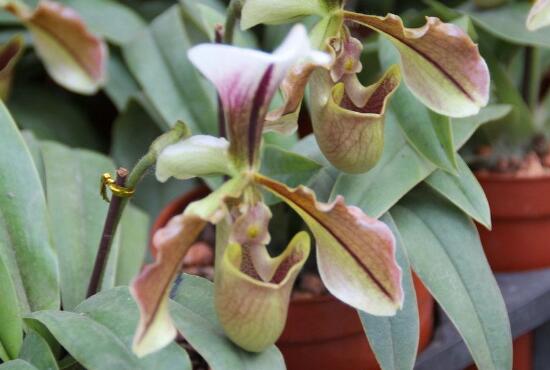
What should you do when pitcher plant leaves turn yellow? Water and fertilize appropriately, and keep the environment stable.
The pitcher plant (Nepenthes) is a relatively uncommon potted plant, and it is loved by many people because it can catch mosquitoes and flies. However, compared with other mosquito-repelling plants such as pitcher plants, night-blooming jasmine (Cestrum nocturnum), and geraniums, far too few people grow pitcher plants, so beginners often run into situations of improper care.
-
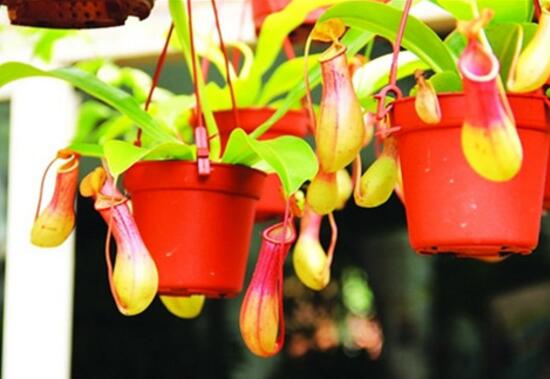
How do you water a pitcher plant correctly? Water in the morning and evening, not at noon
The pitcher plant (Nepenthes) is a plant that can repel mosquitoes; the pitchers it grows have the function of catching mosquitoes and flies. In everyday life, many people keep pitcher plants, not only because they can catch insects, but more importantly because they also look beautiful. However, if you want to grow pitcher plants well, you must pay attention to watering. So how do you water a pitcher plant?
-
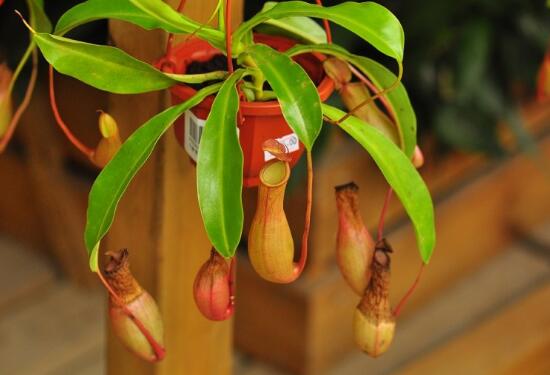
Detailed Guide to Overwintering Pitcher Plants: Keep Away from Windows and Raise the Temperature
The pitcher plant (Nepenthes) is a very unusual plant that grows many pitchers with the ability to catch mosquitoes and flies. It is precisely because of these qualities that many people keep pitcher plants as houseplants. However, since pitcher plants originally grow in tropical regions, they like high temperatures and cannot tolerate cold, so care in winter requires special attention.
-
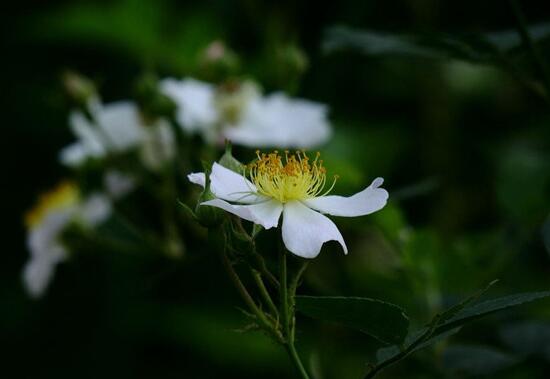
How to grow Cherokee rose (Rosa laevigata) and care tips: plenty of water and fertilizer
Everyone has probably heard of Cherokee rose (Rosa laevigata); it is a very easy-to-grow plant, and its pure white fragrant flowers and distinctive fruits make people adore it. In daily life, many people want to grow Cherokee rose, so how do you grow it? Below is a carefully compiled guide to growing Cherokee rose and care tips.
-
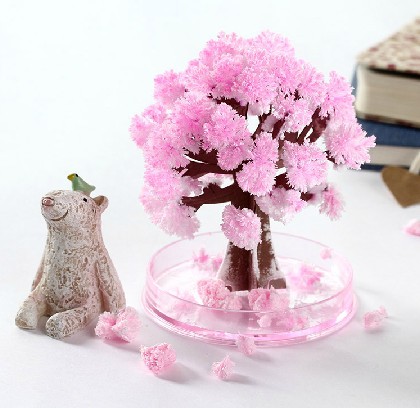
How to grow potted cherry blossoms? Management methods and pest and disease control techniques
Cherry blossoms can be grown in pots. In most regions of our country, cherry blossoms are suitable for ground planting and are rarely potted. Cherry blossom varieties suitable for potting include 'Xuri', 'Douying' (Fuji cherry), 'Yujin', 'Yuyihuang', and others. The following measures must be taken when growing potted cherry blossoms to achieve abundant flowers and lush foliage. Soil: For potted cherry blossoms, the first step is to prepare the soil.
-
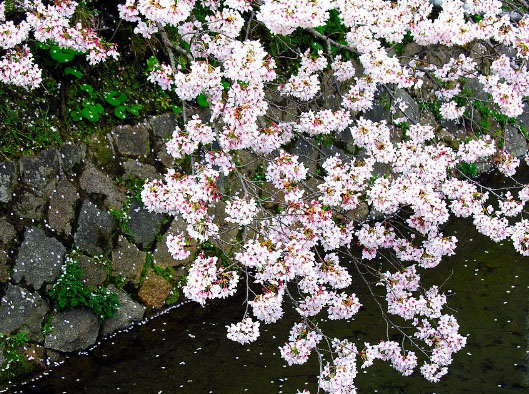
Symptoms and Control Methods of Cherry Blossom Shot Hole Brown Spot Disease
Symptoms and pathological changes: This disease mainly occurs on mature leaves. When the disease develops, it gradually spreads from the lower leaves upward. It begins with needle-tip-sized purple-brown spots appearing on the leaf surface, then the lesions expand into concentric round brown spots 3-5 mm in size, and a light brown abscission layer forms at the edge of the lesions. Later the lesion area falls off
-
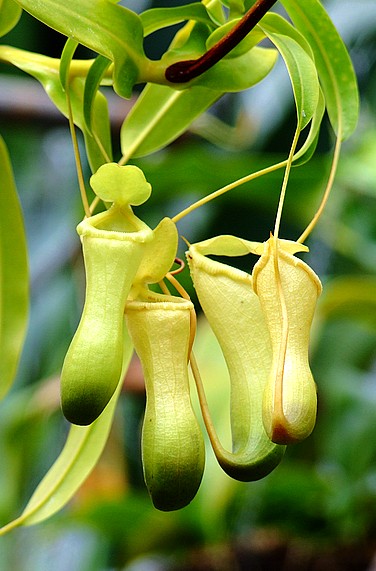
What are the common pests and diseases of pitcher plants?
Pitcher plant seedlings grow slowly and are commonly affected by pests and diseases such as red spider mites, aphids, leaf spot, anthracnose and black spot. These occur more frequently under conditions of poor ventilation, excessive shade and too-low temperatures. In addition to promptly regulating the growing environment, pesticides should also be sprayed in good time for control.
条件筛选