-

How to Grow and Care for Monstera obliqua
Monstera obliqua is also called the Swiss cheese vine (Monstera obliqua). Its leaf edges are entire, but the middle of the leaf has holes of varying sizes, giving it high ornamental value. So how do you grow Monstera obliqua? 1. Soil. Monstera obliqua likes to grow in loose, fertile and well-drained
-
Does the Swiss cheese plant bloom? The latest answer is here
The Swiss cheese plant (Monstera deliciosa) is a sun-loving plant native to Mexico, originally growing in the tropical rainforests of Mexico, evergreen year-round, and often kept as a large potted foliage plant. There is even a folk saying that "the Swiss cheese plant blooming is harder to see than the sago palm," but is that really true? Below we will
-
How to Grow the Formaldehyde-Absorbing Swiss Cheese Plant So Its Leaves Split: Care Methods and Precautions
The name Swiss cheese plant (Monstera deliciosa) may be unfamiliar to friends who do not grow greenery; it is very popular in tropical regions and is generally cultivated in greenhouses. The Swiss cheese plant is also known as Penglai banana, iron wire orchid, and so on. As a plant of the Araceae family, it has its own unique charm.
-
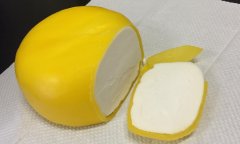
Livestock Research Institute develops locally flavored goat milk Gouda cheese to find a way forward for domestic goat milk
Many people dare not drink goat milk, thinking it has a peculiar taste, but more and more people are drinking fresh cow milk. In comparison, the goat milk industry seems to have encountered difficulties. The Livestock Research Institute of the Council of Agriculture is trying to help goat milk find processing methods that increase added value and solve the problem of surplus milk
-
Detailed Guide to Monstera deliciosa (Swiss Cheese Plant) Cultivation Methods and Precautions
Monstera deliciosa Cultivation Methods and Precautions Publish date: 2018-09-03 12:35:47 Source: Huabaike.com Author: Jiang Hao Temperature: Give it a growing environment of 15-30°C, and do not let it go below 6°C. Soil: It needs fertile, loose soil with good drainage [More]. The emerald green color and the transparent glass bottle look especially fresh in the sunlight, with a distinctive charm. We previously briefly mentioned how to care for it and how to grow it in water, but let us now discuss the specific cultivation methods and precautions in detail together. [More]
-
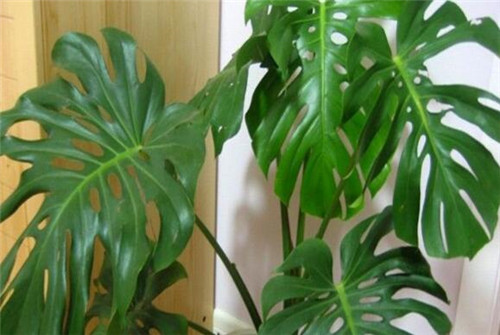
How to grow the formaldehyde-absorbing Swiss cheese plant so its leaves split? Growing methods and precautions
The name Swiss cheese plant may be unfamiliar to friends who do not grow green plants. It is very popular in tropical regions and is generally cultivated in greenhouses. The Swiss cheese plant is also called ceriman, wire netting plant, and so on. As a plant of the Araceae family, it has its own unique charm
-

A Different Way to Eat Toast: Cheese and Veggie Toast Slices for a Quick Breakfast
Sundays are always lazy, especially in winter, when the bed just won't let me get up, so I make do with a simple, quick breakfast. A few slices of toast, some whole grains, and vegetables are more than enough!...
-
Yellowing leaves on the Swiss cheese plant are caused by unsuitable soil
Cause: The Swiss cheese plant (Monstera deliciosa) has a well-developed fleshy root system and has high requirements for soil aeration. Neither sticky nor slightly sticky soil is good for its growth. If the soil is not changed for a long time or the soil itself has poor aeration, the soil will become compacted, affecting the respiration of the Swiss cheese plant's roots, causing poor growth and yellowing leaves
-
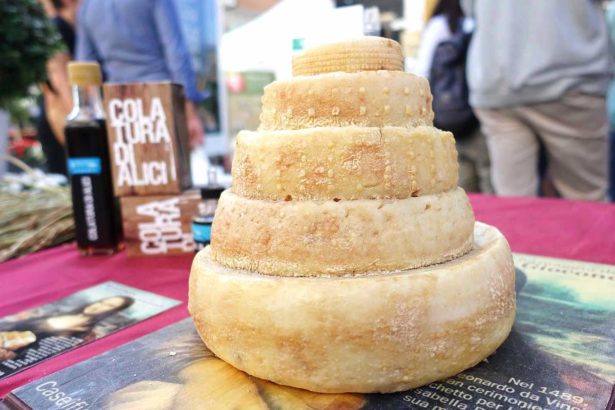
Montebore cheese is reborn: an 80-year-old grandmother carries on a thousand-year-old mountain way of life
A thousand-year-old cheese is recreated and reborn: an 80-year-old grandmother carries on the passionate mountain folk, Montebore cheese revives mountain life
-
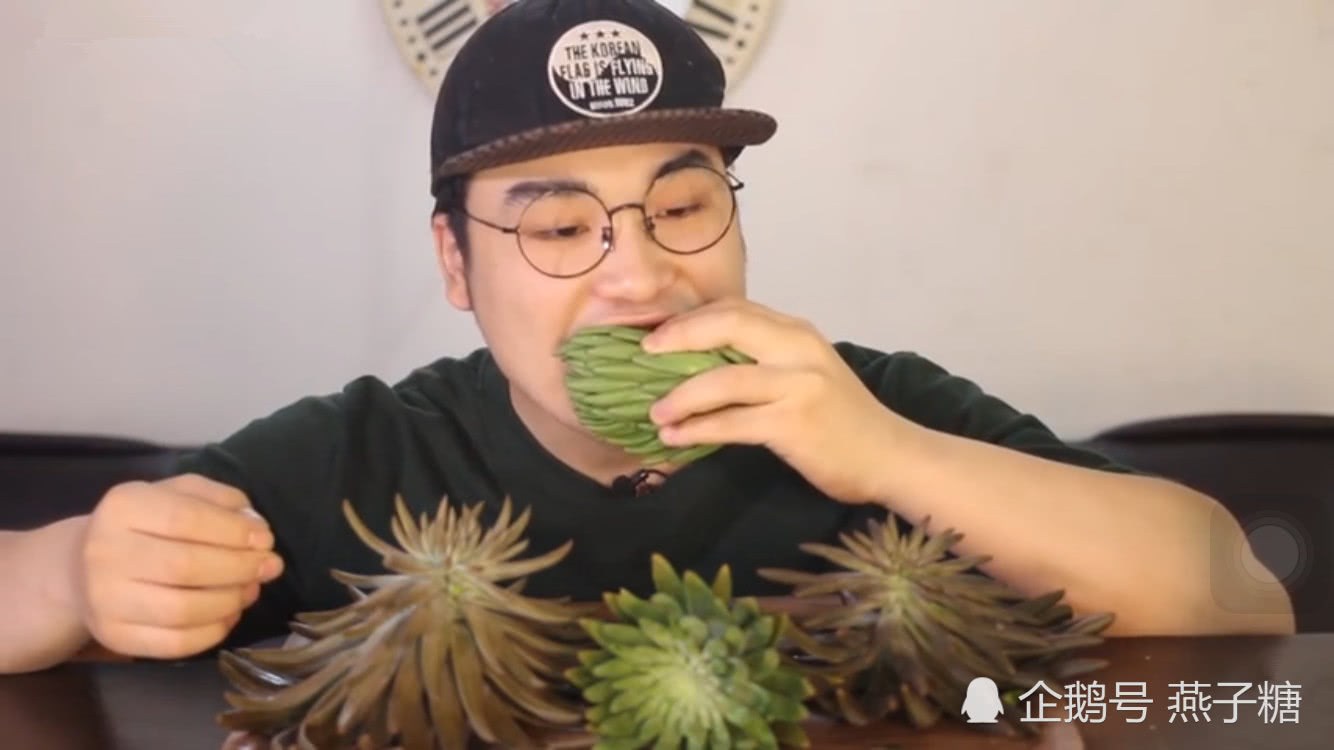
Eating succulents with cheese is so satisfying - the big eater devours 4 in one go
So willful - the big eater devours 4 "succulents" in one go, eating big mouthfuls with cheese, so satisfying! Do you know what these things that Donkey little brother is eating today actually are? They look a lot like succulents - in fact, they are succulent plants, but they have their own...
条件筛选