-
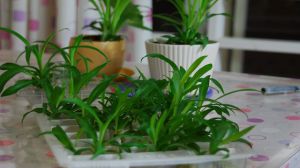
Can Spider Plants Be Grown in Water? Hydroponic Methods and Precautions
Spider plants can be grown in water. Not only is the ornamental value better, thanks to the contrast of the transparent water; it is also more hygienic, because there is no need to water frequently. However, some issues need attention: the roots need to be half submerged in water, not fully submerged; for fertilizing, it is best to use a nutrient solution, and not apply it too frequently - once a month is enough.
-
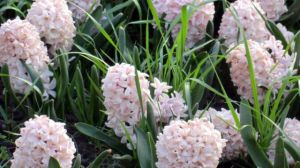
Hydroponic Hyacinth Growing Methods and Precautions
To grow hyacinth hydroponically, first wash its bulb clean, put water in a vase, and keep the bulb 2 to 5 mm away from the water surface; then control the temperature at 9 degrees and place it in a dark place; when the flower bud grows to 5 to 8 cm, adjust the temperature to between 15 and 21 degrees; then add nutrient solution as needed and change the water every 7 days.
-
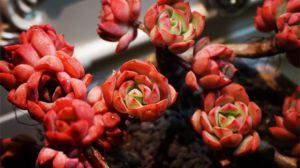
How to grow the Echeveria 'Red Velvet' succulent? Detailed care methods and precautions
When growing the Echeveria 'Red Velvet' succulent, water promptly in spring and autumn, and control the amount of water in summer when temperatures are high. Give it plenty of light; in summer when the sunlight is too intense, provide appropriate shade. Give it a growing environment of 15-28°C; in winter the temperature must not be too low, at minimum not below 5°C. Propagation is mostly done by leaf cuttings.
-
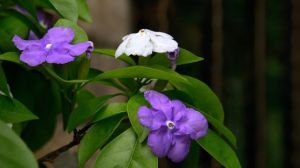
How to grow Murraya paniculata? Detailed guide to cultivation methods and precautions
When growing Murraya paniculata, use loose soil as much as possible, give it plenty of light every day, and fertilize once each in spring and autumn; do not apply nitrogen fertilizer on its own. Propagation is mostly done by cuttings, and common pests and diseases should also be prevented and controlled, spraying with pesticide as soon as they are found.
-

How to grow goldfish plant? Detailed guide to cultivation methods and precautions
Soil: To grow goldfish plant, it is best to use a breathable, well-draining sandy soil. Water: During the vigorous growth period, it needs sufficient water, and the soil must be kept moist at all times. Temperature: Give it a growing environment of 16-26°C, and in winter the temperature should not drop below 5°C. Fertilizing: Apply diluted cake fertilizer water 1-2 times every month. After the flowering period, prune off diseased and weak branches.
-

Golden dewdrop (Duranta erecta) growing methods and precautions
Soil: To grow golden dewdrop, use loose, well-draining sandy soil. Watering: During growth, ensure there is sufficient water; during the rainy season, take rain-shelter measures. Light: Give it plenty of light. Fertilizing: In spring, apply a nitrogen fertilizer once every 15 days; after flower buds form, apply a phosphorus-potassium fertilizer once every 15 days.
-
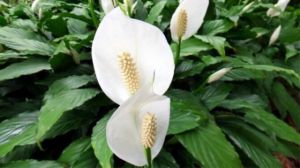
What are the cultivation methods and precautions for the peace lily?
Soil: To cultivate a peace lily, use soil with strong drainage and a loose texture. Water: During the vigorous growth period, give it plenty of water to keep the potting soil moist, but there must be no waterlogging. Light: Light should not be too abundant; in summer it should be shaded appropriately, though it should not be too dark either. In addition, repot it once every 1-2 years.
-
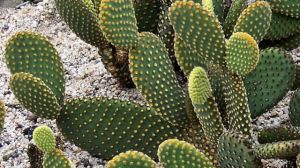
How to grow Mammillaria elongata? Detailed guide to cultivation methods and precautions
Soil: To grow Mammillaria elongata, use loose, well-aerated soil. Water: Wait until the soil has dried out completely before watering, and water thoroughly in one go. Temperature: Give it a growing environment of 20-35°C, and do not let the temperature drop below 5°C in winter. Fertilizing: In the early stage of growth, apply a granular fertilizer once every 7-10 days.
-
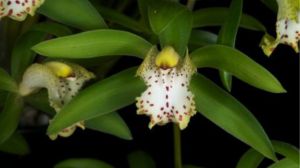
What are the cultivation methods and precautions for the Tiger Orchid?
Soil: For growing the Tiger Orchid, it is best to use soil with good air permeability. Light: In spring, autumn and winter, let it receive direct light; in summer, provide appropriate shade. Temperature: Give it a growing environment of 15-25°C; in winter, simply keep the temperature at around 10°C. Watering: Water according to the principle of watering as soon as it dries, and do not water too much in winter. Repotting should be done after flowering.
-
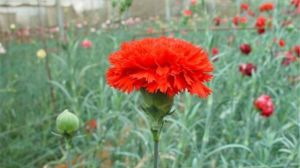
Is Dianthus chinensis easy to grow? Care methods and precautions
As long as you give Dianthus chinensis a suitable growing environment, it is very easy to grow. Normally give it plenty of light and replenish water in time during the growing period. Do not apply too much fertilizer; applying fertilizer once before sowing is enough. In addition, during its growing period, promptly prune branches that are too densely grown, weak branches, and diseased branches.
条件筛选