What are the precautions for growing larkspur?
Repotting
As the plant grows, the nutrients in the soil are gradually lost, which weakens the plant's growth, and at this point the plant needs to be repotted. Repotting is generally done once every 2-3 years.
Pests and diseases
Larkspur can also be attacked by pests and diseases, the most common being black spot and rhizome soft rot.
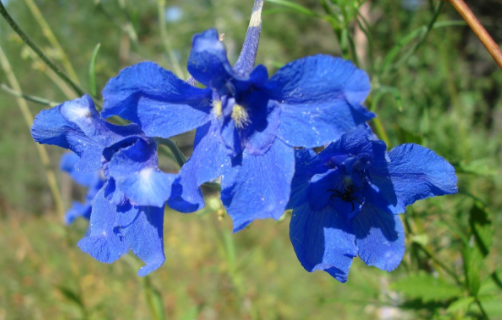
Overwintering
Larkspur is a plant with fairly strong cold tolerance, but if the larkspur was sown in autumn, it needs to be placed in a cold frame or cold room for the winter.
Larkspur growing methods and precautions
Larkspur growing methods
Light and temperature
Larkspur likes a cool growing environment with plenty of light. During cultivation, you need to ensure sufficient light and keep the temperature between 15°C and 25°C, because larkspur prefers a cooler climate and can tolerate cold, so the growing temperature should preferably not be too high.
Soil
When growing larkspur, you can use sandy soil with good drainage. It is generally best to add a little base fertilizer to the soil to keep it fertile.
Water and fertilizer management
Watering should be moderate. Larkspur prefers a somewhat drier growing environment, so generally it does not need much water, and during the rainy season drainage is also needed. As for fertilizing, in addition to applying some base fertilizer before planting, you can also apply topdressing during the growing period, and the topdressing is generally mainly nitrogen fertilizer.
Propagation methods
Larkspur can be propagated by cuttings, division and sowing. Division is generally done in spring and autumn, cuttings mainly in spring, and sowing mostly in March and April.
Precautions for growing larkspur
Repotting
As the larkspur plant grows, nutrients are gradually lost and the plant's growth weakens, so it needs to be repotted. Repotting is generally done once every 2-3 years.
Pests and diseases
Larkspur can also be attacked by pests and diseases, the most common being black spot and rhizome soft rot.
Overwintering
Larkspur is a plant with fairly strong cold tolerance, but if the larkspur was sown in autumn, it needs to be placed in a cold frame or cold room for the winter.
How to grow larkspur: larkspur planting methods and precautions
As a fresh and beautiful flower, it is only natural that larkspur is so popular. So at present, there are relatively many people who are learning about and wanting to grow larkspur. However, to grow larkspur well, a grasp of planting techniques and an understanding of larkspur's growth habits are indispensable, so here we have provided some ideas for growing larkspur.
How to grow larkspur
Larkspur by nature likes a cool environment with plenty of sunlight, and can also grow normally in a dry environment. For growth it requires sandy soil with excellent drainage, and as for water it only needs the soil to be kept moist. It is also drought-tolerant, sun-loving, and tolerates partial shade; it likes warmth, but high heat is taboo.
Larkspur planting methods and precautions
1. Light and temperature
Larkspur likes a cool growing environment with plenty of light. During cultivation, you need to ensure sufficient light and keep the temperature between 15°C——25°C, because larkspur prefers a cooler climate and can tolerate cold, so the growing temperature should preferably not be too high.
2. Soil
When growing larkspur, you can use sandy soil with good drainage. It is generally best to add a little base fertilizer to the soil to keep it fertile.
3. Water and fertilizer management
Watering should be moderate. Larkspur prefers a somewhat drier growing environment, so generally it does not need much water, and during the rainy season drainage is also needed. As for fertilizing, in addition to applying some base fertilizer before planting, you can also apply topdressing during the growing period, and the topdressing is generally mainly nitrogen fertilizer.
4. Propagation methods
Larkspur can be propagated by cuttings, division and sowing. Division is generally done in spring and autumn, cuttings mainly in spring, and sowing mostly in March——April.
5. Repotting
As the larkspur plant grows, nutrients are gradually lost and the plant's growth weakens, so it needs to be repotted. Repotting is generally done once every 2——3 years.
6. Pests and diseases
Larkspur can also be attacked by pests and diseases, the most common being black spot and rhizome soft rot.
7. Overwintering
Larkspur is a plant with fairly strong cold tolerance, but if the larkspur was sown in autumn, it needs to be placed in a cold frame or cold room for the winter.
Larkspur division propagation
Larkspur division propagation can be done in spring and autumn. First, choose a vigorously growing mother plant for division. Next, use a tool to carefully cut the larkspur's roots into several daughter plants, then simply transplant them directly into pots or open ground. Finally, for care after transplanting, water them and provide shade.
Larkspur seedling care methods
1. Newly emerged seedlings are still rather fragile, so do not add too much water; to prevent excessive water accumulation, you can keep the loam a little drier, and the temperature does not need to be too high.
2. When the seedlings grow two to four leaves, they can be transplanted; keep the seedling roots intact and lift the seedlings out.
3. Prepare nutrient-rich, fairly fertile sandy soil, put it into a pot, add base fertilizer, and transplant the lifted seedlings into it.
4. To prevent the branches and leaves from lodging or bending, use a support to secure the main branch and provide support. After securing it, you can move it to a place with plenty of sunlight and good ventilation, and keep the temperature at room temperature.
5. When the plant grows 6 leaves, it can be planted out and thinning can begin. Remove diseased and weak seedlings and increase nitrogen fertilizer.
6. From sowing to ornamental viewing takes about 90 days, so protect them patiently.
Growing larkspur mainly depends on matching the plant's growth with the environment; in other words, when we grow larkspur we must be able to provide a suitable living environment for it, so as to ensure the larkspur's normal growth. In addition, during the larkspur growing process, there are also things such as propagation and seedling care that growers need to pay attention to.