What causes yellowing leaves in polygonatum (Solomon's seal)
As a medicinal herb, polygonatum is grown by quite a lot of people, and yellowing leaves are a common problem during cultivation. There are many reasons this happens; some are caused by the natural environment, while others are due to improper management. So what are the usual causes of yellowing leaves in polygonatum? Let's find out below!
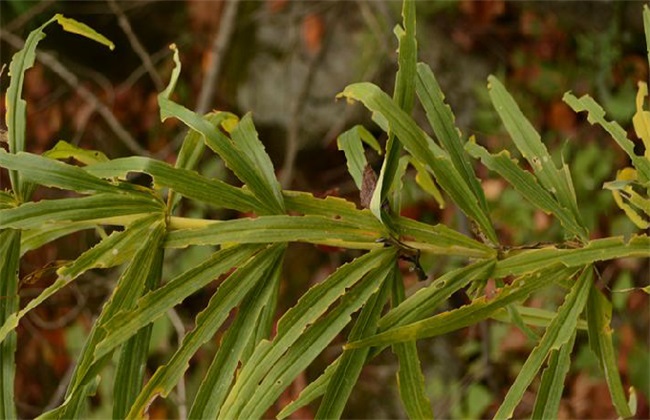
1. Leaf spot disease
As for diseases, leaf spot, anthracnose and so on can all produce this situation, but it is mainly caused by leaf spot. After the pathogen invades polygonatum, the plant's growth is affected, and the nutrient supply to the leaves goes wrong: the pathogen consumes a large amount of nutrients, while the nutrient supply elsewhere cannot keep up, so yellowing gradually appears around the affected leaves, and the affected area slowly withers and dies. If the symptoms on the leaves are similar to this, then it is best to first try a fungicide for treating leaf spot and see how it works.
2. Excessive light
Polygonatum needs a certain amount of light, but its requirement is not very strong; on the contrary, strong light also affects its growth. Yellow leaves in polygonatum caused by excessive light mostly appear in areas with little shade material. Places where polygonatum is grown usually have some shading material evenly distributed; if there is none, yellow leaves will occur more frequently. Under strong light, the leaves lose water too quickly, photosynthesis is intense, and polygonatum's water demand rises sharply, which ultimately scorches its leaves, and then yellowing and withering gradually appear. If this situation persists for a long time, the harvest for that year will be a big problem.
3. Drought
Yellowing caused by strong light generally concentrates on the leaves, but yellowing caused by drought is different: it can cause polygonatum to turn yellow and wither as a whole. Although polygonatum does not like humid environments, that does not mean it is resistant to drought. When the soil is dry, polygonatum as a whole will suffer from insufficient water. In some places, signs of drying up gradually appear on their own, and in severe cases the entire plant will die outright, producing the yellowing and withering that everyone sees. You can tell by watering and seeing whether the situation improves.
4. Pests
Finally, there are pests. Polygonatum is grown for a fairly long time, so it has to face pests for a relatively long period, and pests such as aphids and red spider mites are among the more threatening ones. Polygonatum leaves are generally quite plump and full of sap, which these pests especially love. When these insects attach to the leaves, most of the nutrients are slowly sucked out by them, and the leaves naturally turn yellow and wither. So when you come across yellowing leaves, it is best to check whether any pests are present.
The above are some of the causes of yellowing leaves in polygonatum. When growing polygonatum, as long as its growing environment is ensured, it will generally grow quite well, and the yellow leaves caused by these external factors are not very harmful as long as they are treated in time.