What causes wolfberry fruit drop
Wolfberry (goji) is a very common traditional Chinese medicinal herb in China, with many beneficial effects. Wolfberry also has great edible value, making it a plant that combines both medicinal and culinary uses. It is extremely popular in China. However, when growing wolfberry, we often encounter the phenomenon of fruit drop, which seriously affects the yield. So what causes wolfberry fruit drop? Below, the editor will give you a brief introduction. Let's take a look!
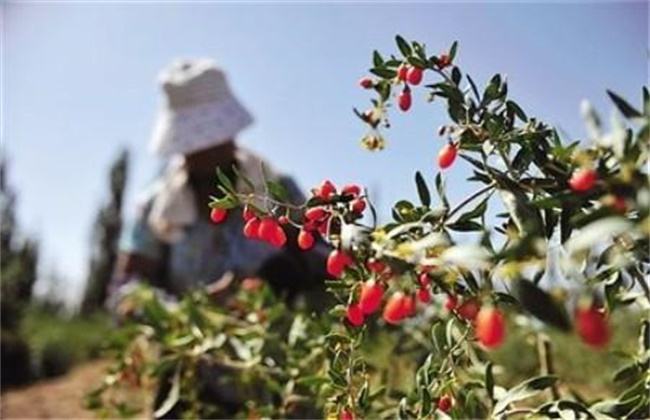
1. Temperature too high
Wolfberry is a plant that prefers a cool environment and can grow normally in relatively low temperatures. However, wolfberry has very poor heat tolerance and is not suited to growing in high-temperature environments. When growing wolfberry, if the temperature exceeds 35°C and lasts too long, wolfberry is very prone to flower and fruit drop. Because temperature is also a main cause of wolfberry fruit drop, we need to pay attention to controlling the growing temperature of wolfberry. If the temperature is too high, cool it down promptly by spraying water around the wolfberry plants appropriately and increasing ventilation; keeping the temperature at around 20-25°C is sufficient.
2. Insufficient nutrients
Wolfberry has a relatively high demand for fertilizer, because fertilizer is the main source of nutrients for wolfberry growth. So when growing wolfberry, if too little fertilizer is applied, the wolfberry plants will grow poorly due to lack of nutrients, and the leaves and fruits will also drop flowers and fruits due to nutrient deficiency. Therefore, when growing wolfberry, we must pay attention to regular fertilization to provide sufficient nutrients for wolfberry growth and ensure comprehensive nutrient supply. After fertilizing, pay attention to loosening the soil, and follow the principle of applying small amounts multiple times. Do not apply too much fertilizer at one time, to prevent fertilizer burn and achieve the opposite effect.
3. Damage from pests and diseases
Wolfberry has relatively poor resistance to pests and diseases, and is very susceptible to damage from pests and diseases during its growth process. For example, powdery mildew, anthracnose, psyllids, etc. There are many types of pests and diseases, so they can cause damage to all parts of the wolfberry. Among them, the most commonly affected targets are the leaves and fruits, which not only cause flower and fruit drop in wolfberry, but in severe cases can prevent the wolfberry plants from growing and even lead to death. Therefore, we should do a good job of prevention, strengthen ventilation management, and regularly disinfect and sterilize. After the disease occurs, prune off diseased branches and fruits, check exactly what disease it is, and then treat it with the right remedy.
4. Normal phenomenon
In fact, during the normal growth process of wolfberry, flower and fruit drop is sometimes a normal phenomenon. However, it will also have a certain impact on its yield. Around May each year, wolfberry growth is relatively vigorous. At this time, flower and fruit drop basically does not occur, but by late June and early July, physiological fruit drop occurs, entering its peak period in July. In response to this situation, we should do a good job of protecting flowers and fruits to minimize the amount of natural fruit drop.
The above is a brief introduction to what causes wolfberry fruit drop. That's all for today's introduction. This article is for reference only, and I hope it can help everyone!