Camellia buds not opening? Cause analysis and solutions
Camellia flowers are large and gorgeous, and many people grow them as potted plants for ornamental purposes precisely because of their brilliant blooms. However, what is the reason when a potted camellia only grows buds but does not bloom, or even drops its buds? Indeed, if a potted camellia only forms buds but does not bloom, it will inevitably affect its ornamental value; one could say its ornamental value is completely lost. Therefore, we need to find the reasons behind this and then address the root causes, in the hope that it will bloom smoothly.
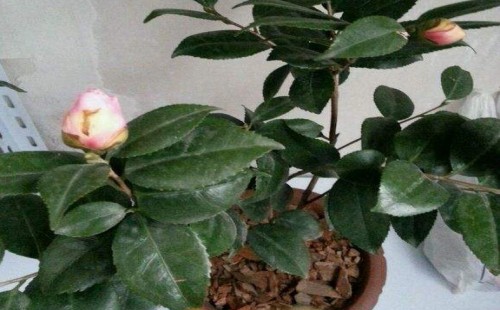
If you want to figure out the reasons why camellia buds do not open, we first need to start by understanding its growth habits. Camellia likes warmth and humidity, so improper temperature, light and humidity, or even pests and diseases, can all cause poor growth, and they have a particularly important effect on flowering. Therefore, for the phenomenon of potted camellias only growing buds but not blooming, we need to focus on management and countermeasures in the above aspects.
1. Keep warm and retain heat
The most suitable temperature during the camellia's bud-forming period usually needs to be maintained at 10-15°C, but temperature management before bud formation is very important, as it will directly affect flowering. After all, camellias generally bloom from January to April, and whether overwintering management was done well in the previous winter largely determines the flowering situation in the following spring.
When cold air arrives in winter, the temperature often drops sharply. If potted camellias are placed outdoors on a balcony or similar location, and the outdoor temperature is below 5°C, the buds will often suffer frost damage, which prevents normal flowering later on. So in winter during the day, potted camellias should usually be placed on a sunny and windless balcony, and at night they should be moved indoors in time; if the indoor temperature is still relatively low, when the temperature drops to 5°C, it is recommended to cover the pot with a plastic bag to keep it warm and moist and avoid frost damage.
2. Maintain humidity
Because camellias prefer a relatively humid growing environment, in winter when the air is relatively dry, it is still necessary to spray water appropriately to maintain moisture. By promptly taking measures such as spraying water or misting, the air humidity can reach the level needed for camellia growth; only in this way can the plant be ensured to form buds smoothly and at the same time create good conditions for flowering.
In addition to maintaining suitable air humidity, we also need to water appropriately to maintain the moisture of the potting soil. Generally, on sunny days, watering once every 3-5 days can be maintained, so as to keep the potting soil in a moist state regularly, but the potting soil must not be allowed to become too dry or too wet. If a large pot is used to grow a large camellia, watering once a week can usually be maintained. Only when both the air humidity and the potting soil humidity are guaranteed will the camellia form buds normally without dropping them, and at the same time promote flowering.
3. Pest and disease control
Potted camellias are prone to attack by pests and diseases such as aphids and rust mites during the bud-forming period. Once discovered, specialized pesticides should be used immediately for spraying and killing. If attacked by aphids, a diluted solution of omethoate can be used for spraying and killing; if infected by rust mites, laundry detergent and diesel oil can be mixed with water, diluted and stirred evenly, then used for spraying and killing. At the same time, attention should also be paid to improving environmental ventilation and light transmission, avoiding the emergence of an environment that easily invites pest and disease attacks.
Based on the care in the above three points, as long as everyone can do the management in advance, the phenomenon of potted camellias only forming buds but not blooming can often be eliminated, and they can usually begin to bloom as expected at the end of the year, while also bringing a touch of greenery and a hint of spring to the environment. It can be seen that scientific care and management methods are crucial to the growth and flowering of potted camellias.