Can Yellowing Leaves on a Lucky Bamboo Be Saved? Cause Analysis and Rescue Methods
The stems of lucky bamboo are upright and elegant, with a graceful and unrestrained posture, growing thick and full of bamboo charm. It is a very good indoor foliage plant and an evergreen plant commonly seen in home environments. The elegant and handsome appearance of potted lucky bamboo has won the favor of many plant enthusiasts, but if its leaves turn yellow, it will inevitably reduce the ornamental value of the potted plant. So, can yellowing leaves on a lucky bamboo be saved?
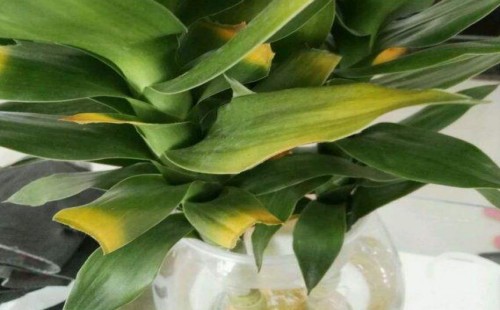
Generally speaking, yellowing leaves on common potted foliage plants is a relatively common sign of poor growth. For lucky bamboo, the same or similar problems may also occur. Potted lucky bamboo can only show its ornamental value when its leaves remain green throughout the four seasons, and yellow leaves are a phenomenon we should try our best to avoid.
There are many causes of yellowing leaves in potted green plants. And different causes can lead to yellowing phenomena and degrees that are not only the same, common ones include drought yellowing caused by lack of water, water yellowing caused by excessive watering; light-deficiency yellowing caused by lack of light, scorch yellowing caused by too strong light; nutrient-deficiency yellowing caused by lack of nutrients, fertilizer yellowing caused by excessive fertilization, and so on. It can be seen that there are quite a lot of causes and manifestations that lead to yellowing leaves in green plants.
The same is true for potted lucky bamboo, an evergreen plant that stays green throughout the four seasons. It may also develop yellow leaves due to improper care and management such as light, watering and fertilization. Therefore, we need to find the real cause according to the specific phenomenon of yellowing leaves, and only then can we rescue it. Generally speaking, for the above several yellowing phenomena, timely remedial measures can often save the plant.
When the above phenomena occur in potted lucky bamboo, we first need to cut off or remove the yellowed or rotted leaves, then place the potted plant in a bright, sunny place, reasonably adjust the temperature in the growing environment, and do a scientific job of water and fertilizer management. This can not only alleviate or eliminate the yellowing phenomenon. And in order to prevent the plant from showing similar situations again, we need to do a good job in the following aspects of care and management:
1. Since lucky bamboo is an evergreen plant that likes both light and partial shade, it is relatively afraid of direct strong light. When encountering strong light, shading measures should be taken in time, especially in the hot summer, shading measures should be done even more.
2. In order to avoid yellowing leaves or leggy growth in lucky bamboo, it is generally placed in a bright, sunny spot for care. It is strictly forbidden to put it under the scorching sun. At the same time, when the temperature is high, watering should be strengthened, and more water should be sprayed to maintain moisture and lower the temperature, and the environment should also be ensured to have smooth ventilation.
3. Lucky bamboo is also relatively sensitive to temperature changes, and its cold resistance is relatively poor. If the outside temperature drops suddenly, it should be moved indoors in time for care, and at the same time ensure that the indoor environment temperature stays above 16°C, otherwise the plant may develop yellowing leaves or wilting.
4. If it is hydroponic lucky bamboo, be sure to change the water regularly to ensure the water quality stays clean often; if root rot occurs, trim the roots in time and sterilize and disinfect them, then after drying the roots, insert them again into the hydroponic environment for care.