-

Key Techniques for Winter and Spring Cutting Propagation of Carnations
Carnations are generally propagated by cuttings, carried out in winter and spring, and can be done anytime from December to April of the following year. The lateral buds used as cuttings at this time grow robustly and are of the best quality. At the same time, cuttings taken during this period can control the plants to bloom at New Year's Day and the Spring Festival of the following year. First, the growing medium should be prepared, generally using garden soil mixed with 30%-40% rice husk ash or sandy soil, mixed evenly, then placed in cutting pots or wooden boxes. Cutting must be done in a greenhouse, selecting cuttings from mother plants that are vigorous in growth, uniform in flowering, and have thick, short-jointed branches.
-
How to Prevent and Control Calyx Splitting in Carnations
In the cut-flower cultivation of carnations (also known as Dianthus caryophyllus or musk pink), a physiological disorder often occurs: calyx splitting. The physiological cause of calyx splitting is that the petals grow and quickly outpace the calyx, bursting it open, especially in large-flowered varieties with 60 or more petals. In addition, during the flowering stage, if continuous low temperatures occur, because the number of petals or flowers increases and the day-night temperature difference is large, calyx splitting occurs more often. Therefore, low temperatures, excessive watering or excessive fertilizer, especially excessive phosphorus, very easily cause calyx splitting. Methods to prevent calyx splitting:
-
Pests and Control Methods for Cut-Flower Carnations
(1) Red spider mite: damage is severe under high temperatures above 25°C (July to August), with a small number of occurrences around mid-April. Control methods: remove dead branches, fallen leaves and weeds, improve cultivation conditions, and appropriately increase air humidity. At the initial stage of occurrence: spray 40% dicofol emulsifiable concentrate at 1000-1500 times dilution, or 40% dimethoate emulsifiable concentrate at 1500 times dilution, or 25% phosmet emulsifiable concentrate at 1000 times dilution, or fenvalerate at 800-1000 times dilution, or saomantjing, propargite, hexythiazox, pyridazinone, flufenoxuron, miechongling, etc.
-
How to prevent and control gray mold in cut-flower carnations?
Symptoms: Initially, oval, brown, large and wet spots appear on the petals, followed by gray mold growing on them, and the petals and the entire flower then rot; the stems and flower buds can also be infected. Cause: Long-term exposure to a low-temperature and humid environment. Prevention and control methods: Keep the plants as dry as possible, preferably using drip irrigation for fertilizer and water control; maintain good ventilation; spray 75% chlorothalonil 500x solution, or carbendazim 500x solution, alternating them, spraying once every 7 to 10 days; in the evening, a 10% procymidone smoke agent can be released in the greenhouse, sealing the greenhouse overnight.
-
Pinching and Pruning Methods for Cut-Flower Carnations
1. Pinching Techniques for Cut-Flower Carnations The purpose of pinching cut-flower carnations is to increase the number of branches, raise the flower yield per plant, regulate the flowering period, and ensure a balanced, timely supply of flowers. (1) Pinching time The first pinching of carnations is generally carried out about 30 days after planting, when the main stem of the seedling has 6 to 7 pairs of leaves unfolded. When the main stem has 5 to 6 nodes, the apical growing point is removed; depending on the branching characteristics of different cultivars, 1 to 2 nodes more or fewer may be retained as appropriate, and cultivars that branch poorly may be left with higher nodes.
-
Why do carnations sleep after coming into the city?
In 1908, a flower grower from Chicago in the United States went to consult a botanist. He said: "I have many beautiful carnations in the countryside, and they bloom very brightly there, but when they reach the city, they come down with sleeping sickness." The botanist thought it might be because the composition of the air in the city differed somewhat from that in the countryside. To confirm his idea, he took all kinds of gases and put them inside a glass cover, then placed blooming carnations inside, and the result showed that as long as the cover contained a few parts per million of ethylene gas, the blooming carnations would wither.
-
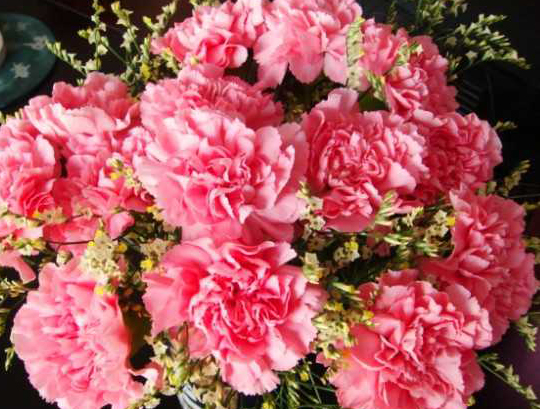
How to grow potted carnations so they thrive
Carnation (Dianthus caryophyllus) Other names: carnation, lion's-head pink, musk pink, large-flowered pink, musk pink, Dutch pink. Uses: for flower beds, pots and container seedlings, and cut flower production. Seed weight: common seed, 5OO seeds/gram
-
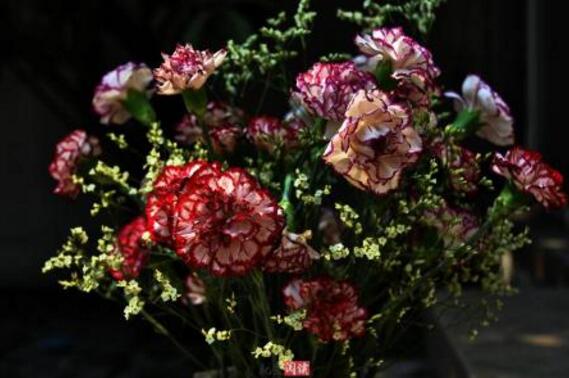
What to Do When Carnations Get Pests? Five Major Pest and Disease Control Methods
Carnations, there is no need to say much, everyone should know them, right? Grown at home, they can serve as a beautiful sight, and given to mothers, they can express love and respect. With so many uses, naturally many people choose to grow them, but during the growing process, various problems inevitably arise, such as diseases or pests. So what should you do when carnations get pests?
-
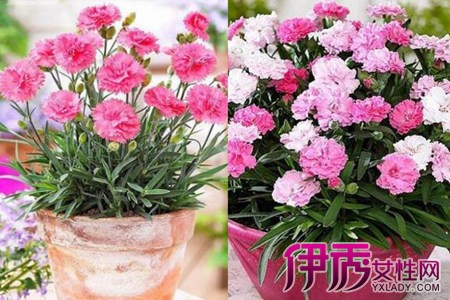
How to Grow Carnations So They Bloom Stunningly
Carnations are a flower we are all very familiar with. Every year on Mother's Day we choose them as a gift for our mothers to express our love, but many people do not know how to grow them at home. Below I will share some growing experience.
-
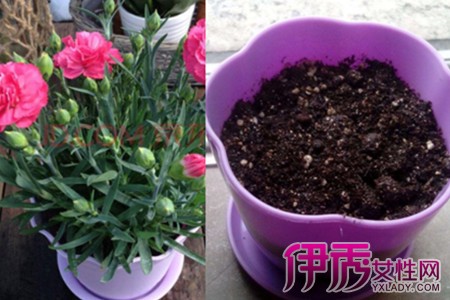
How to Grow and Care for Carnations: Essential Knowledge for Every Gardener
We are all very familiar with carnations, because they are a hugely popular cut flower at Mother's Day. We all like to use this flower to express our love for Mom, but how to grow carnations is quite a skill in itself.
条件筛选