-
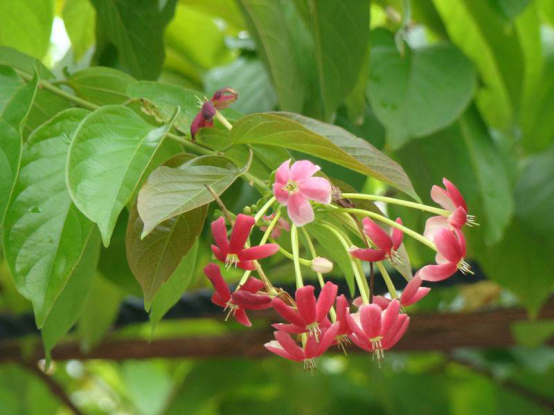
A Complete Guide to Planting and Caring for Rangoon Creeper
1. Light and temperature: The suitable growing environment for Rangoon creeper is warm and humid; it tolerates some cold, loves light and tolerates partial shade, and ample sunlight further helps the plant grow. Rangoon creeper grows better when fully exposed to sufficient sunlight, and for abundant blooming it needs full sun every day or at least 4 hours of direct light.
-
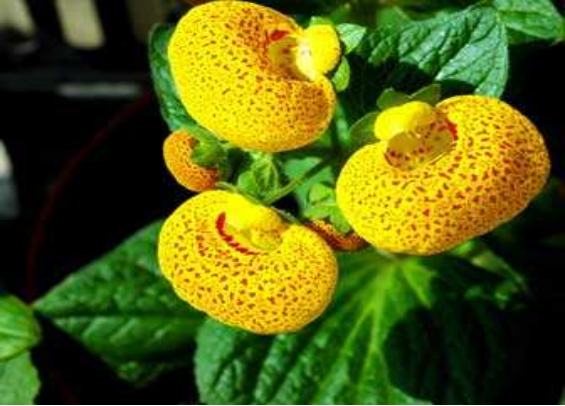
Caring for and cultivating Calceolaria
1. Soil: Calceolaria has no special requirements for soil; it simply needs to be well-draining and fertile, ideally rich in humus so it can continuously provide nutrients to the flowers. 2. Water: During the seedling stage of Calceolaria, water sparingly to keep the potting soil on the dry side, which encourages root growth; once the plant has grown to fill the pot, increase watering.
-
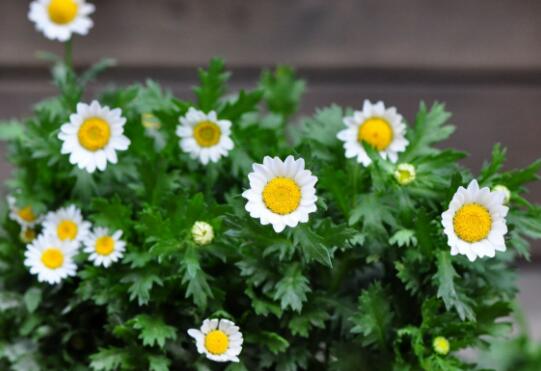
How to grow snow daisies and the points to note, keep temperature under control when caring for them
The snow daisy is a flowering plant native to Europe that was later introduced to our country, and today it can be seen in many regions of our country. However, it is not easy to grow it well, and there are many things we need to pay attention to. How do you grow snow daisies? What are the growing methods and points to note for snow daisies
-
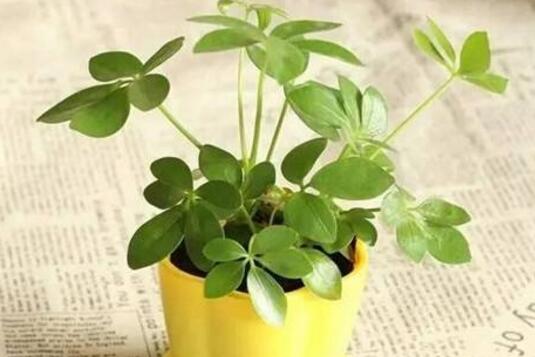
Four tips for caring for Schefflera (umbrella tree) in winter; temperature is the key to surviving the winter smoothly
Although we know from the cultivation methods of Schefflera that it has a certain degree of cold resistance, the temperature, light, humidity and other climatic conditions in winter are different from other seasons, so the care and management will also differ. So how do you care for Schefflera in winter? Let me tell you the methods
-
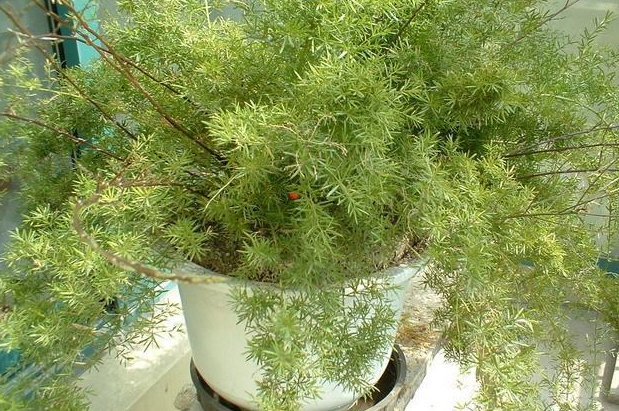
Detailed Guide to Growing and Caring for Asparagus Fern
Asparagus fern, also known as asparagus grass. It is a perennial semi-vining green herbaceous plant of the Liliaceae family. It has spindle-shaped fleshy tuberous roots. The leaf-like branches are linear and clustered, the flowers are white or pale pink, and the berries are bright red. It prefers a warm, humid environment and sunlight, tolerates partial shade, and fears direct strong light. It is suited to loose, fertile, well-drained sandy loam.
-

What are the key points for caring for potted pothos?
In recent years, more and more people have been growing pothos, mostly in hanging baskets, or placing the potted plant high in a corner of a cabinet and letting the vines hang down. However, this display method is only suitable for small-leaved pothos. Below is a discussion of pothos growing methods and the key points to note in daily care.
-
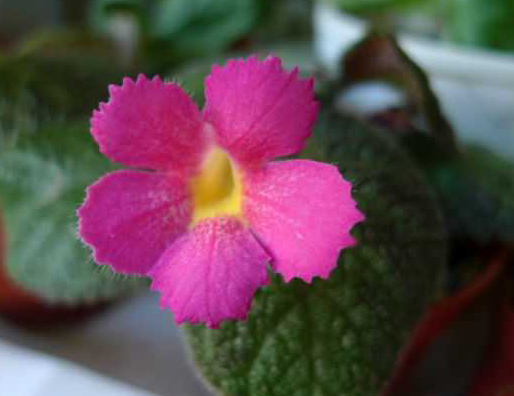
What should be noted when caring for an Episcia?
Episcia is also known as red tongcao. The flowers are solitary in the leaf axils, crimson red, blooming in summer. Common varieties include 'Emerald Queen', with dark green leaves and silver-white midribs; copper-green Episcia, with copper-green leaves and reddish leaf margins; chocolate Episcia, with silver-white main veins, as well as silver-glow Episcia and variegated Episcia, etc.
-
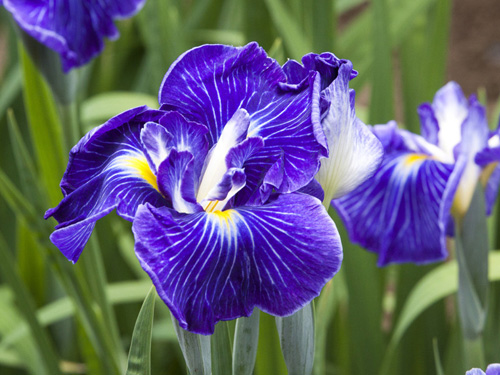
Detailed Key Points for Caring for Japanese Iris (Iris ensata)
Japanese iris (Iris ensata, also known as jade cicada flower) Scientific name: iris ensata Family and genus: Iridaceae Morphological characteristics: Perennial herbaceous emergent aquatic plant with rhizomes. The rhizome is short and thick, with many fine fibrous roots. Leaves are basal, linear, upright, with a prominent midrib and relatively flat lateral veins. The flower stem is usually slightly taller than the leaf clump, bearing two flowers; the flowers are large
-
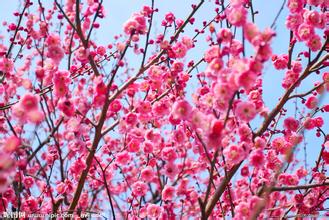
What are the methods for growing and caring for plum blossoms at home?
Plum blossom, also known as dry-branch plum, spring plum, red plum, green plum, etc. It likes an environment with ample sunlight, warmth and humidity, and good ventilation. Its cold resistance is fairly strong, but it cannot tolerate low temperatures below -15°C. It is not tolerant of waterlogging and dislikes standing water. It tolerates poor soil and grows well in fertile, loose, neutral or slightly acidic soil rich in humus.
-
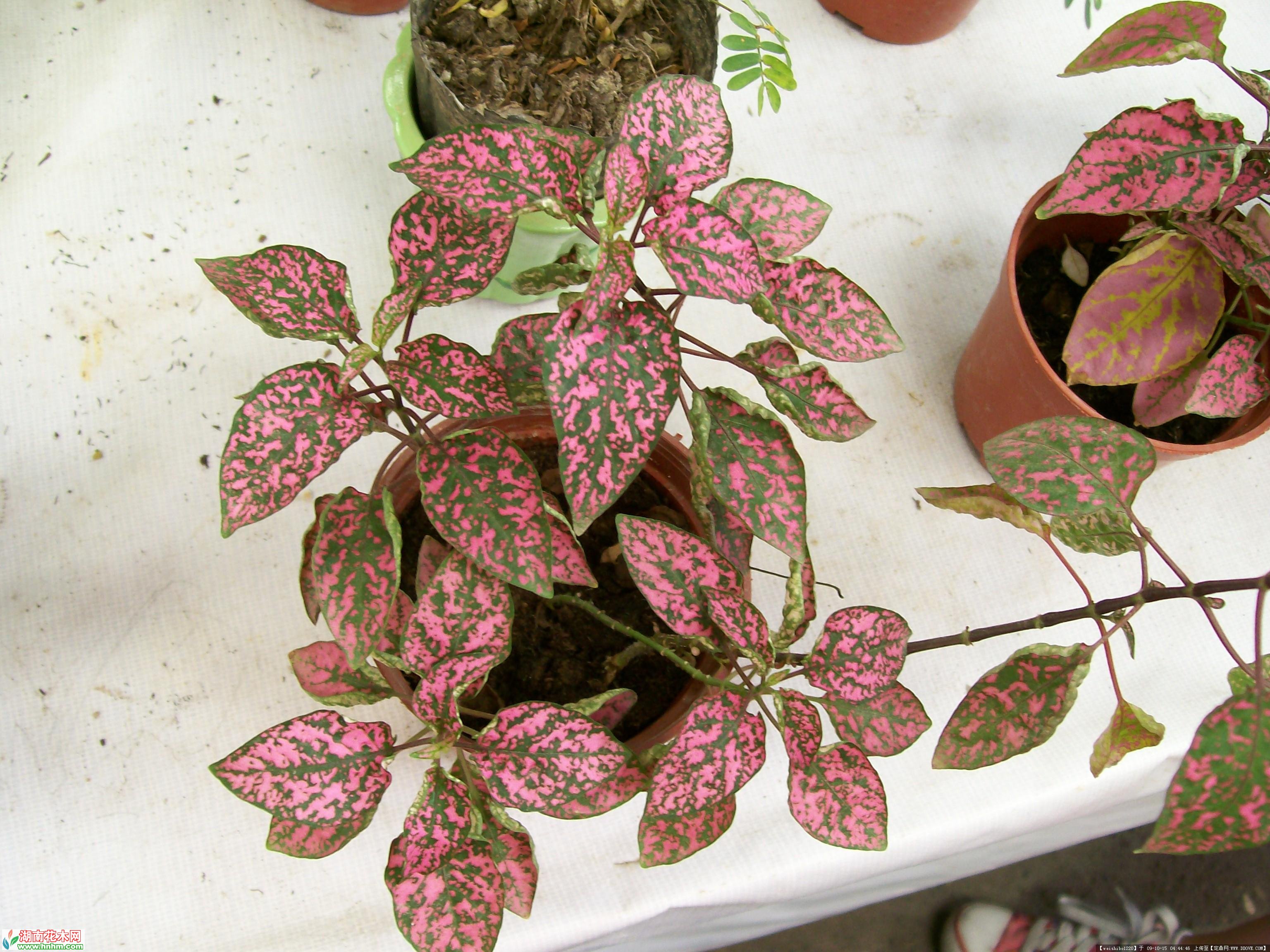
Detailed Guide to Growing and Caring for the Polka Dot Plant
The polka dot plant, also called splash red grass or freckle face, is a plant of the genus Hypoestes, native to Madagascar. It can grow up to 60 cm tall, and about 10-15 cm in a pot. After the branches extend, they become semi-trailing, and the stem nodes root easily. The leaves are opposite, ovate or long-ovate.
条件筛选