Caring for and cultivating Calceolaria
1. Soil
Calceolaria has no special requirements for soil; it simply needs to be well-draining and fertile, ideally rich in humus so it can continuously provide nutrients to the flowers.
2. Water
During the seedling stage of Calceolaria, water sparingly to keep the potting soil on the dry side, which encourages root growth; once the plant has grown to fill the pot, increase watering, but control the amount so the potting soil is just moist.
3. Temperature and Light
Calceolaria differs from ordinary plants: it is sown in autumn and blooms in spring, so winter is the early growth stage of Calceolaria. It can grow normally as long as the temperature is kept at around 10°C, and it should receive ample light; if the indoor temperature drops below 8°C, Calceolaria grows slowly and should be given even more ample light; if the temperature rises above 20°C, shading is needed.
4. Fertilizing
When Calceolaria has large leaves and fills the pot, increase the amount of fertilizer, but apply light fertilizer frequently; when growth slows, stop fertilizing.
5. Pest and Disease Control
After sowing and germination, pay attention to preventing damping-off disease, spray promptly, and keep the potting soil on the dry side.
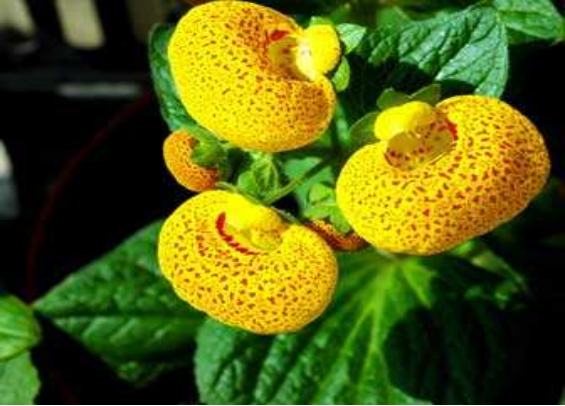 Now that you understand the cultivation methods, do you feel full of confidence about growing Calceolaria? Growing Calceolaria is not only simple but also easy to manage, and what's more, the value of Calceolaria should not be underestimated. Let's take a look at the value of Calceolaria!
Cultivation Methods and Precautions for Calceolaria
Cultivation Methods for Calceolaria
Sowing Method
Calceolaria is generally propagated mainly by sowing, with a small amount done by cuttings. Sowing is mostly carried out at the end of August and the beginning of September, when the weather gradually turns cool. The growing medium is made by mixing 6 parts leaf mold with 4 parts river sand. Sow the seeds directly by broadcasting them in a "shallow pot" or "shallow seedling tray" without covering with soil, water by the "bottom-soaking method," then cover with glass or plastic wrap to seal it, maintain 13-15°C, and seedlings emerge after one week.
After the seedlings emerge, promptly remove the glass or plastic wrap to allow ventilation and prevent damping-off disease. Gradually expose them to light so the seedlings grow strong, and keep the room temperature below 20°C. When the seedlings grow 2 true leaves, transplant them into separate pots.
Ventilation and Shading
Calceolaria likes cool conditions, with an optimum growth temperature of around 10°C. If the stems and leaves grow luxuriantly during the growing period, and the potting soil is too wet combined with muggy conditions, the base of the plant's stems will rot and the leaves will spoil. To lower the temperature, shading measures are often taken at noon to create a ventilated, cool environment. Especially after blooming in spring until the seeds mature in May to June, ventilation must be done well, and shading at noon helps the seeds develop and mature.
Watering and Fertilizing
Calceolaria likes a warm, humid environment, but it dislikes overly wet potting soil and excessive watering during flowering. Generally, water only when the potting soil is dry; if kept in a greenhouse, frequently spraying water to increase air humidity is even better. Do not water directly onto the plant, because if water accumulates on the leaves and buds, it easily causes rot. During the pre-flowering growing season, apply decomposed cake fertilizer water once every 10 days (diluted 10 times), and add a phosphorus-based fertilizer at the early flowering stage. When fertilizing, do not let the fertilizer water contaminate the leaves, to avoid rotting the center and leaves.
Precautions for Growing Calceolaria
Strict Soil Requirements
Calceolaria has relatively strict soil requirements; if the soil is unsuitable, it simply cannot be grown well. You should choose a loose, well-aerated, freely draining sandy soil rich in humus. In addition, add a small amount of bone meal or base fertilizer to the soil, and disinfect the soil before use.
Shading Is Very Important
Proper light can promote blooming in Calceolaria, but it can also cause premature flower drop. Note that when growing it indoors, shade it before October; from October to March of the following year, no shading is needed; after flowering, avoid direct strong light.
How to Grow Calceolaria at Home
1. Sowing Time
Calceolaria seeds are tiny, with about 25,000 seeds per gram, and the optimum germination temperature is 18-21°C. Therefore, Calceolaria should be sown after the high temperatures have passed and the weather turns cool, that is, from late August to early September. Sowing too early, when the temperature is high, makes the seedlings prone to damping-off and rot; sowing too late affects blooming.
2. Sowing Method
The soil used for pot sowing must be sterilized at high temperature. When sowing in pots, press the potting soil firmly, gently scatter the seeds in and press them flat. Because the seeds are tiny, sowing should not be too dense, and the soil covering should not be too thick (it may even be left uncovered). After soaking the bottom of the pot in water, cover with glass or plastic film, place in a semi-shaded spot, and keep the room temperature at around 20°C. Germination occurs 7-10 days after sowing. When the seedlings grow to 2-3 leaves, thin or transplant them in time, and pay attention to ventilation and maintaining humidity. Keep the room temperature at around 15°C.
3. Transplanting Method
When the seedlings show 2-3 true leaves, they can be transplanted; once they grow 4 to 6 true leaves, they can be potted individually. Thirty days after transplanting, when the seedlings are 5 cm tall, plant them in 10-15 cm pots. A room temperature of 10-12°C is best.
For the growing medium, mix 2 parts leaf mold, 1 part barnyard manure, 1 part sand, and 6 parts garden soil, with a pH of 6.5.