-

Detailed Guide to Growing and Caring for Cymbidium iridioides
Air requirements: Cymbidium iridioides prefers shade and moisture and dislikes dryness, so it is best grown in an environment with good air circulation. Soil requirements: Cymbidium iridioides does well in well-drained, humus-rich sandy loam, such as leaf mold or mountain soil.
-
A Detailed Guide to Growing and Caring for Fittonia
Light and Temperature Fittonia prefers a semi-shaded growing environment and dislikes direct sunlight. In summer, Fittonia needs to be shaded, blocking out most of the sunlight. In winter, Fittonia can be moved indoors to a spot where it can receive sunlight for care
-
Caring for Phalaenopsis Orchids After the Flowers Fade: Methods and Precautions
After the flowers of a Phalaenopsis orchid fade, if you want it to bloom a second time, simply cut off the flower stem and continue with normal care. However, keep in mind that after a long period of growth, the orchid's growing medium will age and needs to be replaced in time; otherwise, the soil's air permeability will worsen, the roots will have difficulty breathing,
-
Detailed Guide to Growing and Caring for the Dragon Tree (Dracaena fragrans)
1. Soil: The dragon tree is not demanding about soil. To help it grow better, it is best to use a loose, humus-containing, well-draining acidic soil. 2. Watering: During the growing period, water the dragon tree thoroughly to keep the soil moist. Insufficient watering will lead to poor growth, so be sure to water until it drains through.
-
Methods and Tips for Caring for Potted Strawberries
1. Temperature and humidity: Generally, the most suitable temperature for potted strawberries is 20-25 degrees, and in winter the temperature should be kept at around 15 degrees. The flower pot should generally be placed in a ventilated and sunny place, and the potting soil should be kept sufficiently moist. 2. Repotting: Potted strawberries generally need to be repotted 2 years after fruiting.
-
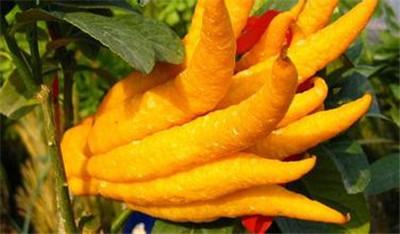
A Detailed Guide to Growing and Caring for Buddha's Hand at Home
1. Light management: Buddha's Hand loves a warm, humid, and sunny environment, so make sure it gets plenty of light. In addition, its most suitable growing temperature is 22°C-24°C, so pay attention to temperature control. 2. Water management: Buddha's Hand tolerates waterlogging but not drought, so it needs to be watered frequently.
-
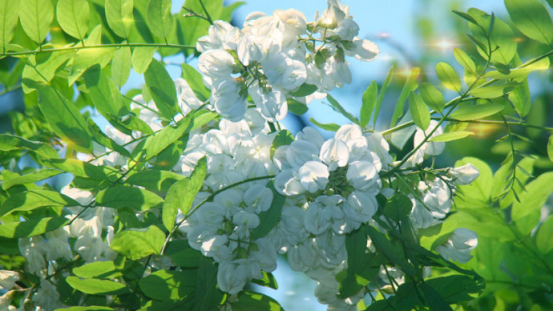
What should be noted when planting and caring for pagoda tree flowers?
1. Weed promptly. Grass usually grows around pagoda tree flowers, and the same is true for potted plants. We cannot use herbicides, because they would affect the growth of pagoda tree flowers. We can only weed manually by hand, removing the grass roots and all. 2. Prune promptly. Timely pruning helps keep the pagoda tree's shape beautiful.
-
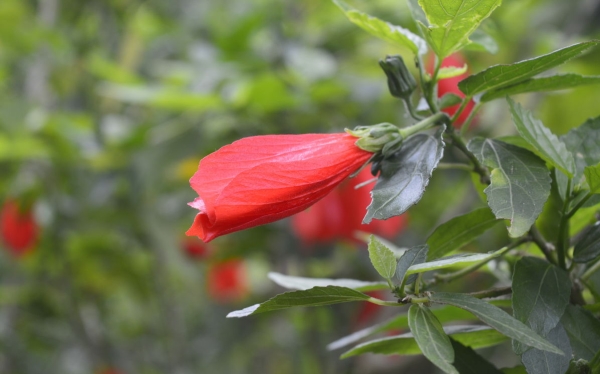
A Detailed Guide to Growing and Caring for Wax Mallow
Soil: Wax mallow is suited to fertile, well-draining sandy soil, and it is best planted in soil rich in humus. Light: Wax mallow loves warm, humid environments and is not cold-tolerant, so place it in a spot with ample light. Only then will the plant grow more densely; if light is insufficient
-
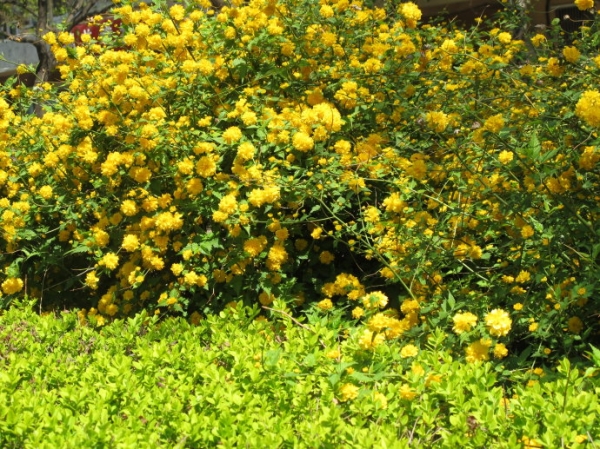
A Detailed Guide to Growing and Caring for Kerria japonica
Soil: Kerria japonica loves to grow in fertile, loose sandy loam, so when planting it is best to grow Kerria japonica in loose, well-drained acidic sandy soil. Watering: Kerria japonica has a low demand for water, so it does not need much watering normally, and no watering is needed during the rainy season, to avoid water accumulating at the roots and causing rot
-
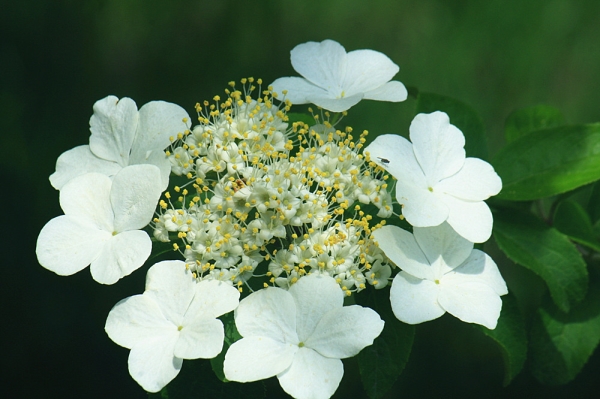
Caring for Doublefile Viburnum: Precautions and Maintenance Methods
When propagating by seed, we must carefully choose the growing medium; the factors to consider are whether it is fertile and whether its drainage performance is good. We should also carry this out in a semi-shaded environment, taking care not to expose the plants to overly strong light. It is best to propagate in early spring, as this gives a higher survival rate.
条件筛选