How to grow snow daisies and the points to note, keep temperature under control when caring for them
The snow daisy is a flowering plant native to Europe that was later introduced to our country, and today it can be seen in many regions of our country. However, it is not easy to grow it well, and there are many things we need to pay attention to. How do you grow snow daisies? What are the growing methods and points to note for snow daisies? Below, the editor takes everyone through it.
1. How to grow snow daisies, understand their habits
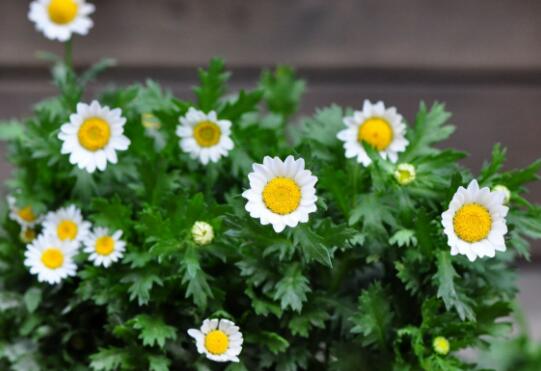
To know how to grow snow daisies, we first need to understand their growing habits. This plant likes to grow in warm, humid, sunny and cool environments, and has a certain cold tolerance, but it is not tolerant of high temperatures, so when the temperature is higher we should pay attention to spraying the plant with water more often to cool it down.
2. Growing methods and points to note for snow daisies
1. Soil, sandy loam
Before growing snow daisies, we first need to choose the soil, which is the step of laying a good foundation and is very important for their growth. Generally, it is best to choose loose, fertile sandy loam, as this kind of soil has good drainage and aeration, allows the plant to absorb nutrients better, and is not prone to water accumulation.
2. Temperature, 15-25°C
When growing snow daisies, the ambient temperature is also something we need to pay attention to, because only by letting them grow at a suitable temperature can they grow better. The suitable growing temperature for snow daisies is between 15-25°C. If the growing temperature stays below -5°C for a long time, it will cause the plant to suffer frost damage.
3. Fertilizing, once every half month
Fertilizer is one of the main nutrients in the growth process of snow daisies, especially after entering the growing period, when their demand for fertilizer is very high. Basically, every half month we need to apply a nitrogen, phosphorus and potassium compound fertilizer once, generally at a ratio of 2:1:2, and we must apply diluted fertilizer. If the fertilizer concentration is too high, it will burn the plant.
4. Water, avoid water accumulation
After entering the growing period of snow daisies, their demand for water is very large, so we should water frequently to keep the soil at a certain moisture level, so the plant will grow more quickly. However, we also need to pay attention to controlling the amount of watering. This plant is not tolerant of waterlogging, so we must not water too much, because if water accumulates it can easily cause root rot.
5. Light, avoid strong light
Snow daisies like light but are not tolerant of strong light. In spring and autumn, we can grow them outdoors and let them receive light all day. However, after summer arrives, because the light is relatively strong, we still need to provide appropriate shading. In the morning each day, they can be grown outdoors, and near noon they should be moved indoors to a semi-shaded place to grow, so they are not burned by strong light.
6. Pests and diseases, deal with them promptly
In the process of growing snow daisies, if we are not careful enough, it is very easy for pests and diseases to take advantage of the opportunity. These are very harmful to the plant, so after discovering them we must deal with them promptly. However, the treatment methods for each pest and disease are different, so the editor will not introduce them one by one here. Everyone can refer to the article on pest and disease control for snow daisies.
How to grow snow daisies, the planting method for snow daisies
The snow daisy is an annual or biennial herbaceous plant. It can be seen flowering before spring even arrives, and the flowering period lasts as long as half a year, with the most abundant blooming from March to May. How do you grow snow daisies? Below, take a look at the planting method for snow daisies.
How to grow snow daisies
1. Soil
Snow daisies are not strict about soil, but they grow best in well-aerated, fertile, moist loam or sandy loam. During the growth process of snow daisies, the soil needs to be kept moist.
2. Light and temperature
Snow daisies like a sunny and cool environment, and flowering is poor when light is insufficient. They avoid high temperature and high humidity. In summer, as the temperature rises, the flowers fade faster, and growth is poor above 30°C. Placing them in a cool, ventilated environment can extend the flowering period.
3. Water and fertilizer
Water once every 7-10 days. Fertilizing does not need to be too frequent. During the growing period, apply a nitrogen, phosphorus and potassium compound fertilizer once every half month, at a ratio of 2:1:2, or use diluted manure water. After snow daisies bloom in February, stop fertilizing.
The planting method for snow daisies
Snow daisies are usually propagated by sowing, generally sown in autumn from September to October, and the suitable germination temperature is 15°C to 20°C. Mix the seeds evenly with a small amount of fine sand or potting soil, then broadcast them in a seedbed or seedling tray. The covering soil should be thick enough that the seeds are no longer visible. After sowing, it is best to shade with reed curtains, and plastic film must not be used. Keep moist, and they germinate in 5 to 8 days.
After snow daisies become seedlings, apply a little topdressing to promote robust seedling growth. When two or three leaves have grown, transplant them for the first time, bare-rooted without old soil. After 4 to 5 true leaves have grown, move them into a seedbed or nutrient pot for cultivation.
At the end of October, water thoroughly once. When the plot soil is neither sticky nor crumbly, lift the soil blocks and store them in a sun-facing cold frame to overwinter, covering with cattail mats at night to protect against cold. Although snow daisies are cold tolerant, in winter the seedlings are best placed in a plastic greenhouse or cold room to let them continue growing, watering and fertilizing at the right time, and removing flower buds promptly to promote a larger crown diameter. Moving them outdoors or into flower beds in early spring of the next year can increase their ornamental effect. They like warmth, are relatively cold tolerant, like light, and also tolerate semi-shade. The suitable growing temperature is 15-25°C.
Growing methods and points to note for snow daisies
Snow daisies are low-growing and robust, with many flowers and a long flowering period, suitable for both ground planting and pot planting. So how do you grow snow daisies? Next, Xiao Qi shares the growing methods and points to note for snow daisies.
1. Growing methods for snow daisies
Snow daisies are usually propagated by sowing, generally sown in autumn from September to October, and the suitable germination temperature is 15°C to 20°C. Mix the seeds evenly with a small amount of fine sand or potting soil, then broadcast them in a seedbed or seedling tray. The covering soil should be thick enough that the seeds are no longer visible. After sowing, it is best to shade with reed curtains, and plastic film must not be used. Keep moist, and they germinate in 5 to 8 days.
After snow daisies become seedlings, apply a little topdressing to promote robust seedling growth. When two or three leaves have grown, transplant them for the first time, bare-rooted without old soil. After 4 to 5 true leaves have grown, move them into a seedbed or nutrient pot for cultivation.
At the end of October, water thoroughly once. When the plot soil is neither sticky nor crumbly, lift the soil blocks and store them in a sun-facing cold frame to overwinter, covering with cattail mats at night to protect against cold. Although snow daisies are cold tolerant, in winter the seedlings are best placed in a plastic greenhouse or cold room to let them continue growing, watering and fertilizing at the right time, and removing flower buds promptly to promote a larger crown diameter. Moving them outdoors or into flower beds in early spring of the next year can increase their ornamental effect. They like warmth, are relatively cold tolerant, like light, and also tolerate semi-shade. The suitable growing temperature is 15-25°C.
2. Points to note when growing snow daisies
Snow daisies are not strict about soil, but they grow best in well-aerated, fertile, moist loam or sandy loam. During the growth process of snow daisies, the soil needs to be kept moist.
Snow daisies like a sunny and cool environment, and flowering is poor when light is insufficient. They avoid high temperature and high humidity. In summer, as the temperature rises, the flowers fade faster, and growth is poor above 30°C. Placing them in a cool, ventilated environment can extend the flowering period.
Water once every 7-10 days. Fertilizing does not need to be too frequent. During the growing period, apply a nitrogen, phosphorus and potassium compound fertilizer once every half month, at a ratio of 2:1:2, or use diluted manure water. After snow daisies bloom in February, stop fertilizing.
The above isgrowing methods and points to note for snow daisiesintroduced. Snow daisies bloom poorly under hot conditions and are prone to dying, so everyone should pay special attention.