-
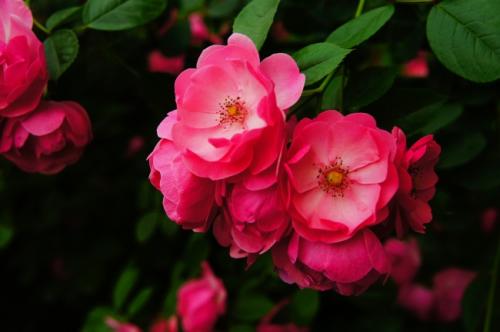
How to grow roses? An introduction to practical care methods
1. Plenty of light. Roses like light and need plenty of it, so make sure roses get plenty of light. 2. Proper watering. Roses are slightly shade-tolerant but afraid of waterlogging, so watering must be controlled properly: not too much, not too little. Just keep the soil moist, and never let water accumulate.
-
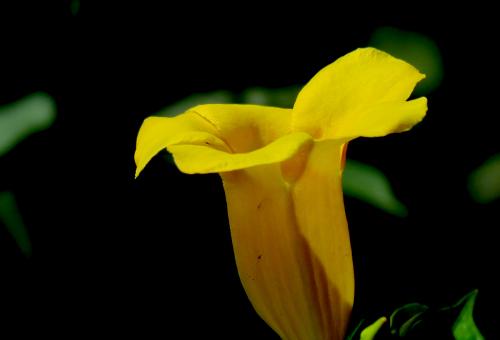
How to grow yellow oleander (Allamanda)? Master these care methods and precautions
1. Light: Yellow oleander likes a hot, humid environment with plenty of light, so place it on a balcony or in a spot with direct sunlight. 2. Watering: Yellow oleander is tolerant of wet conditions and likes a humid environment, so water it frequently during its growing season, but reduce watering in winter.
-
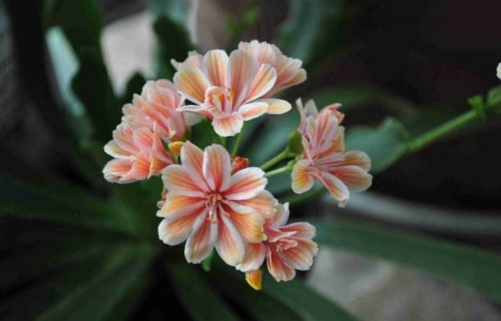
Care methods and precautions for Lewisia cotyledon during its blooming period
During the blooming period, the watering frequency should be increased appropriately, as the flowering period has a high demand for water and moisture must be replenished in time, but be careful not to let water accumulate. Lewisia cotyledon, which blooms many times, likewise needs sufficient nutrients. After entering its blooming period in June, it will continue to bloom intermittently until October.
-
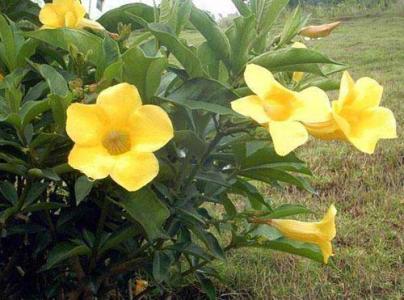
How to grow yellow oleander (cascabela)? Care methods and precautions
I. Light: Yellow oleander likes a hot, humid environment with plenty of light, so place it in a courtyard or somewhere with direct sunlight, but be careful never to keep it indoors, in case of accidental poisoning. II. Water: Yellow oleander is tolerant of wet conditions and likes a humid environment
-
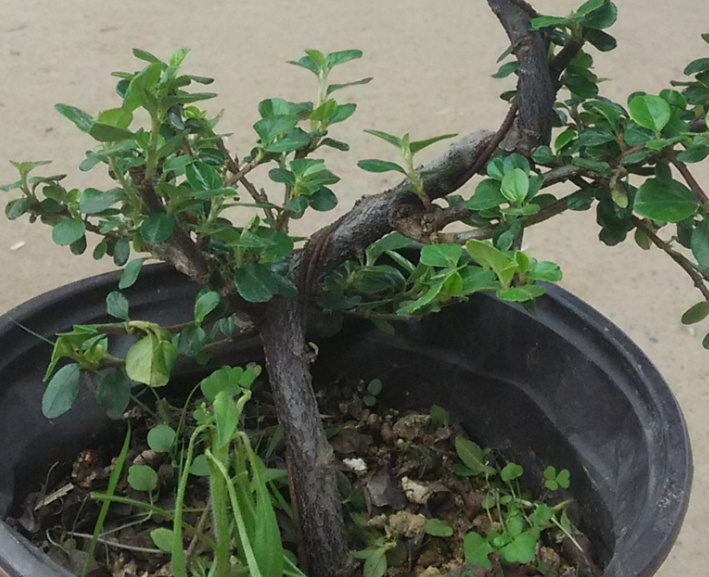
Pearl Spiraea Bonsai Care Methods and Precautions
Potting soil: The potting soil should be a fertile loam with good permeability and strong drainage capacity. Apply an organic fertilizer once in late autumn and early winter, and apply a phosphorus-potassium fertilizer once before flowering. Water moderately on a regular basis to keep the potting soil moist; it must not stay overly wet for long periods, and waterlogging must be avoided even more. Potted plants should be placed in a spot with direct sunlight as much as possible.
-
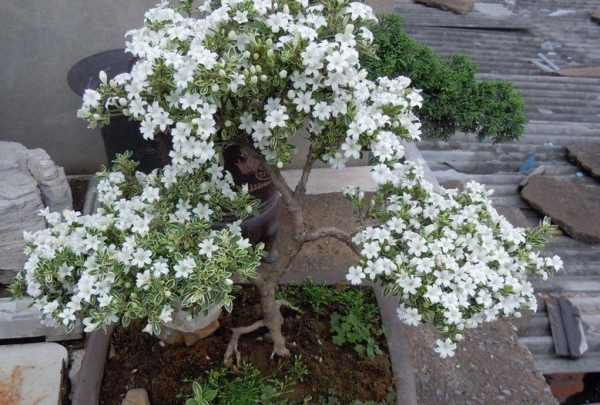
Care Methods and Precautions for Serissa
After the cuttings are finished, the subsequent care is also very important. In the early stage, the cuttings are very afraid of being exposed to the sun, so we must promptly set up a shade shelter for them, and also pay attention to watering to keep the substrate moist at all times, so that the cuttings can take root more easily. After the cuttings have taken root
-
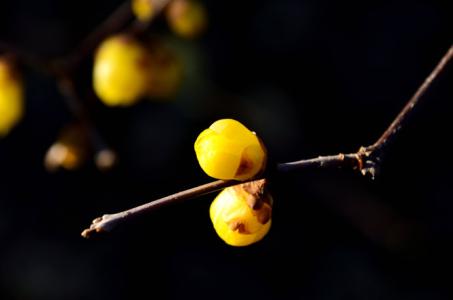
How to grow and care for wintersweet bonsai: methods and precautions
1. Light: Wintersweet loves sunlight, so place the bonsai in a sunny spot, but be careful not to expose it to scorching sun in summer. 2. Watering: Wintersweet does not tolerate waterlogged conditions, so when watering, make sure there is no standing water. Only then can the wintersweet bonsai grow healthily; otherwise, the bonsai may wither.
-
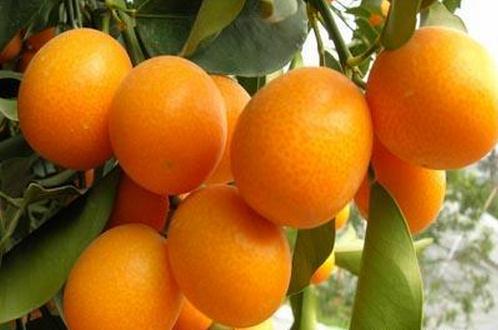
How to grow kumquat? Care methods and precautions
1. Light: Kumquat likes sunshine and a warm, humid environment, so it is best to place the kumquat in a sunny spot, but in summer, pay attention to moderate light so that the kumquat will grow well. 2. Pruning: For kumquat, pruning is a very important matter, and it must be pruned according to requirements
-
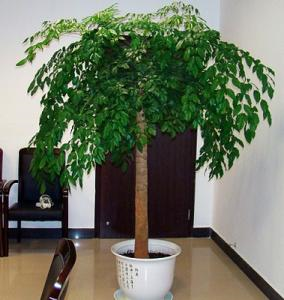
Detailed Guide to the Care Measures and Methods for the Radermachera sinica
1. Temperature: The Radermachera sinica likes warm and hot environments, but in summer when temperatures are high, be very careful not to expose it to prolonged sunlight, otherwise the Radermachera sinica will get sunburned. In winter, you need to keep the Radermachera sinica warm to prevent it from getting frostbitten. 2. Light: The Radermachera sinica likes plenty of light.
-
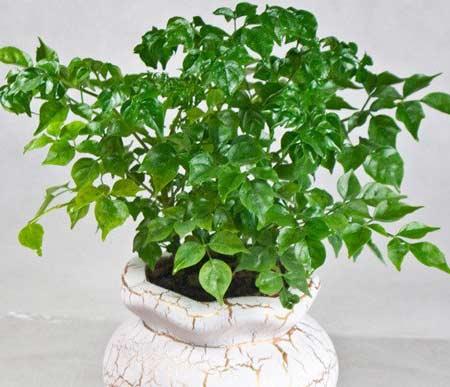
How to care for a Radermachera sinica? Detailed guide to care methods and precautions
1. Temperature: The Radermachera sinica loves warm and hot environments, and its most suitable growing temperature is 20°C to 30°C, so pay attention to temperature control in daily care. 2. Light: The Radermachera sinica likes plenty of light; of course, in summer pay attention to moderate light, and it is best placed on a balcony or windowsill
条件筛选