-
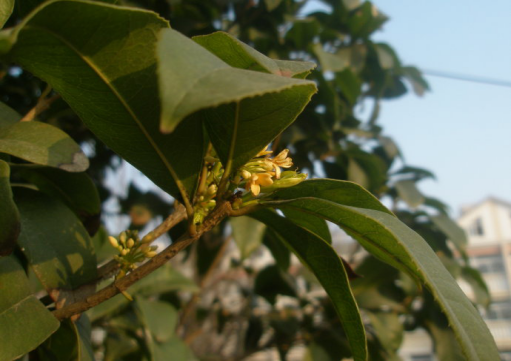
Detailed Guide to Four Seasons Osmanthus Care Methods and Daily Management Tips
Give it fertile, well-draining, slightly acidic soil; give it plenty of sunlight, clean and moist air; give it a temperature of 18°C-25°C; give it an appropriate amount of water. Do these few things well, and the Four Seasons Osmanthus will bloom as promised every year in the months of January, April, August, and November. Careful tending can be exchanged for its companionship through all four seasons.
-

How to Grow and Care for Chinese Pulsatilla: Methods and Precautions
Soil Chinese pulsatilla is suited to growing in deep soil with good drainage. Sandy soil or clay soil both work, with plenty of base fertilizer added. Light and temperature Chinese pulsatilla loves sunlight very much, but strong direct light should not be allowed to hit it. It is suited to growing in a cool, dry environment, and its cold tolerance is very good.
-
How to grow Japanese late cherry? A complete guide to care methods
Timing: Cuttings of Japanese late cherry can be taken from April to July, because this is the full bloom period of the cherry, when the survival rate of cuttings is highest, and the plant is in the peak of physiological activity, making rooting easy. Selection of cuttings: we generally cut 15 cm-long branches from robust mother trees.
-
What are the care methods for the Japanese late cherry?
The Japanese late cherry is not heat-tolerant. In summer, if the temperature exceeds 35°C, we need to open both ends of the shed for ventilation. We can spray water outside the plastic shed, which both cools the temperature and avoids excessive watering that would make the vermiculite too wet. In summer, never expose it to direct sunlight! The above is about the difference between the Japanese early cherry and the late cherry
-
How to grow miniature roses? Understand the care methods in one article
Watering: Miniature roses have small plants and shallow roots. In summer, water once in the morning and once in the evening; do not water at night. Before budding in spring, keep the potting soil moist, and do not water unless the soil is dry. After budding, gradually increase the amount of watering. Repotting: Repotting is mostly done before spring budding, once every 1 to 2 years, removing about 2/3 of the old soil
-
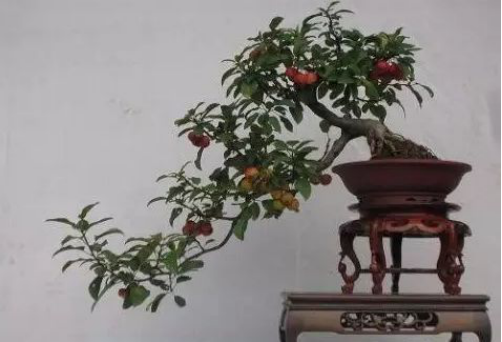
Maintenance and Care Methods and Techniques for Hawthorn Bonsai
Location: Hawthorn trees love light; insufficient sunlight will cause weak, thin branches, thin leaves, and pale color. Therefore, place them in a location with ample sunlight and good air circulation. Watering: Hawthorn trees are drought-tolerant; trees that have not yet fruited have low water requirements, but bonsai that have fruited must have an ample water supply. Keep the soil in the pot moist.
-
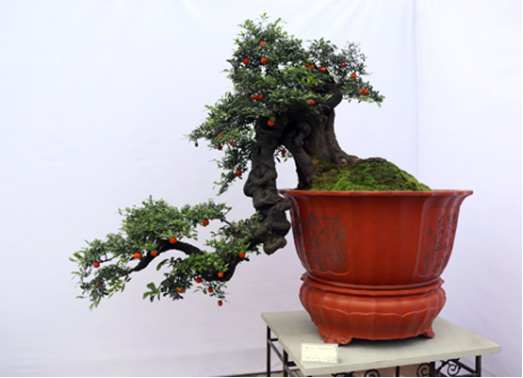
Care Methods and Precautions for the Golden Bullet Tree (Diospyros armata)
Placement: The Golden Bullet Tree likes warmth and humidity, so it is best placed in a spot with plenty of sunlight. In summer it can be given a little shade, and in winter it needs to be brought indoors. When watering, the potting soil must always be kept moist and must not dry out. When temperatures are high, besides providing appropriate shade, it should also be sprayed with water frequently. Fertilizing: during the growing season, it should be fertilized regularly.
-
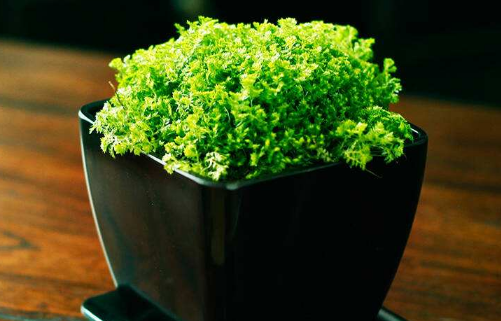
How to grow green coral fern? Care methods and precautions
Soil Green coral fern has fairly strict soil requirements. You want to choose loose, breathable and well-draining soil. Generally we can mix it ourselves, using peat soil, perlite and vermiculite mixed together, and that gives the soil the plant needs. Note that the plant likes a humid environment
-

How to Grow and Care for Caladium (Elephant Ears): Methods and Precautions
1. Temperature: Caladium is a tropical plant that loves warmth. The ideal growing temperature is between 25-30°C, and in winter the temperature should be kept at 15-20°C; otherwise the leaves will turn yellow and the plant will wither. 2. Light: Caladium naturally loves sunlight. Insufficient light will cause the spots on the leaves to darken and the leaves to become weak and spindly.
-
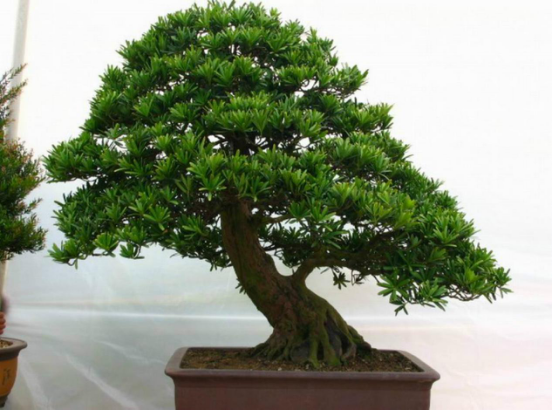
What are the care methods for elm bonsai?
There are several important factors in the care of elm bonsai: 1. Soil: The elm is a deciduous tree plant with very strong vitality. Generally, fertile soil rich in humus is sufficient for growing it. However, the plant's root system is not very developed. Although it can adapt to both acidic and alkaline soil, deep plowing is best.
条件筛选