-
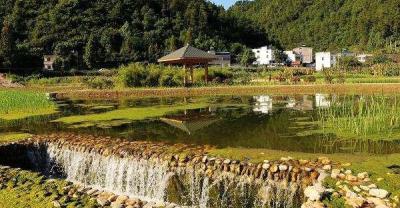
How do you care for ginkgo saplings? Master the method to ensure they survive
If you want to plant a ginkgo tree, you should first know which planting method suits this tree. Growing ginkgo from seed is slow to show results, and it takes too long to grow into a tree, so the results are...
-
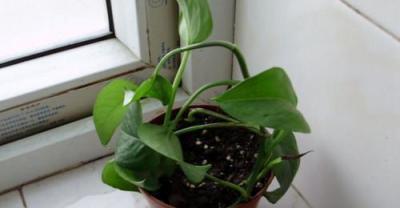
Detailed Guide to Crab Claw Cactus (Schlumbergera) Care Management and Shaping/Grafting Methods
The crab claw cactus (Schlumbergera), native to Brazil. It prefers a warm, humid, well-ventilated, semi-shaded environment. The most suitable temperature for growth is 18-25°C. It is not cold-tolerant; when indoor cultivation temperatures drop below 10...
-
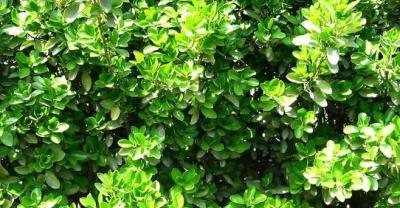
Dracaena Indoor Potted Care Methods and Precautions Explained in Detail
Dracaena is also known as: the bleeding tree, the holy herb for blood activation, and the longevity plant. It is also called the old longevity star of the plant kingdom, and just hearing these names is quite imposing. Dracaena...
-
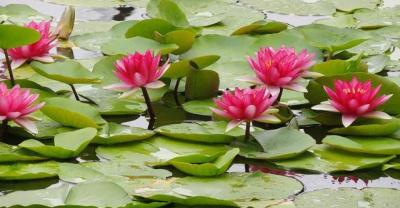
Pothos care and cultivation methods and precautions, 3 tricks to get it done
Pothos (Epipremnum aureum) is usually grown in pots indoors, placed in studies, living rooms, offices and other places. It brings a beautiful visual sense and purifies the environment. In...
-
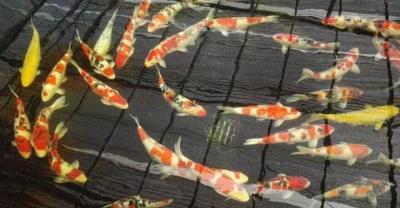
Planting Techniques and Daily Care Management Methods for Small-Flowered Crape Myrtle
Planting Techniques and Daily Care Management of Small-Flowered Crape Myrtle. Small-flowered crape myrtle comes in many colors and has 2 varieties: upright and weeping. The most representative upright variety...
-
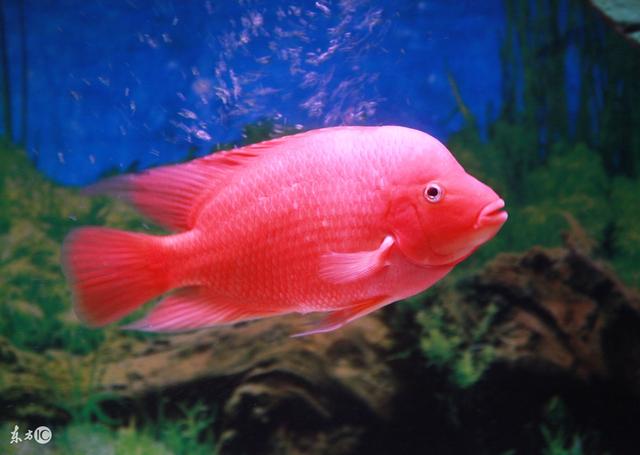
How to Keep Blood Parrot Fish? Common Freshwater Ornamental Fish Care Methods
Blood Parrot Cichlid Family: Cichlidae Aliases: God of Wealth Fish, Fortune Fish Physical Features: The blood parrot cichlid grows 25-35 cm long. As a juvenile, its body is gray#but as it grows it changes from gray to white#then from white to pink#and finally to a vivid blood red. The body is oval-shaped, fairly broad and thick#with a big belly. There is a slightly protruding fleshy lump on the head. The dorsal fin, anal fin and caudal fin are semi-transparent#and the mouth resembles a parrot's. The parrot fish group includes the purple parrot, king kong parrot, luohan parrot, red-and-white parrot, zebra parrot, flower parrot#and others. It lives in the middle and lower layers of the water#has a gentle temperament#is lively and active#clumsy in movementand endearingly goofy#and especially loves environments with plenty of sunlight.
-
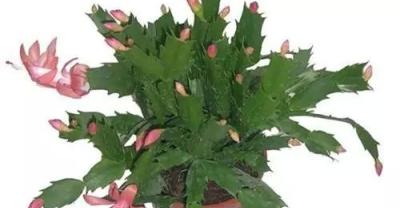
How to Grow Mammillaria hahniana? Detailed Guide to Care Methods and Precautions
Mammillaria hahniana is a plant in the cactus family, genus Mammillaria, and is a perennial herbaceous plant. Its body is round or oval in shape and bright green in color. Below, Winter Heat...
-
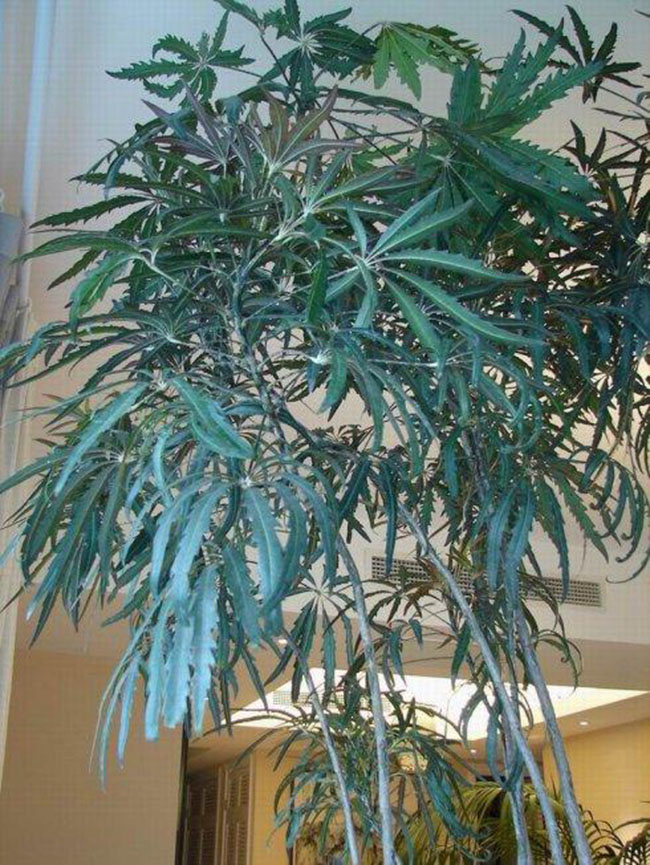
How to Grow a False Aralia? Detailed Guide to Care Methods and Precautions
False Aralia (Araliaceae) False Aralia is also known as: Finger Plant, belonging to the order Apiales, Araliaceae, an evergreen foliage small tree or shrub. Native to Australia and the Pacific Islands. The leaves are leathery, dark green, shaped like slender fingers, with coarsely serrated leaf margins, arranged radially and alternately.
-
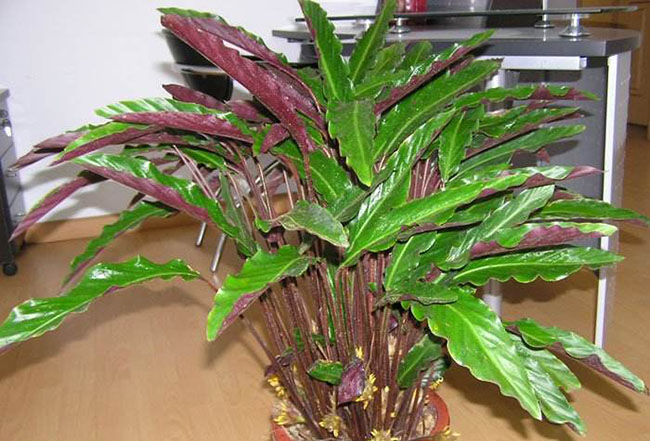
How to grow Calathea roseopicta? Detailed care methods and precautions
Growth habits of Calathea roseopicta. Calathea roseopicta likes to grow in a warm, humid, shaded environment; it is not cold-tolerant, fears drought, and dislikes strong direct sun exposure. Its optimum growth temperature is 20-30°C, and its overwintering temperature is 15°C. The soil for growing Calathea roseopicta should preferably be a sandy soil rich in humus, loose and well aerated.
-
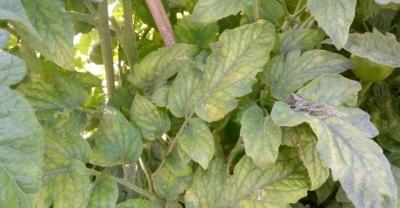
Rieger begonia care and planting methods, easily grow beautiful potted plants
The suitable growing temperature for Rieger begonia is 18°C to 22°C, with a minimum of 5°C in winter; it goes dormant in June in summer. It is a perennial tuberous herbaceous plant. The substrate for planting Rieger begonia...
条件筛选