How to Keep Blood Parrot Fish? Common Freshwater Ornamental Fish Care Methods
BloodParrotFamily: Cichlidae
Aliases: God of Wealth Fish, Fortune Fish
Physical Features:
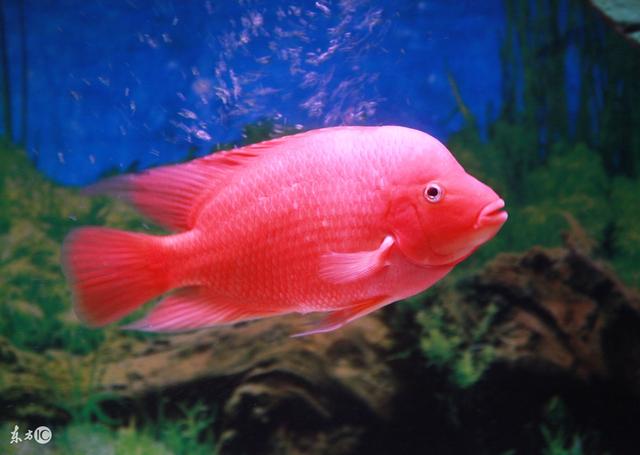
The blood parrot cichlid grows 25-35 cm long. As a juvenile, its body is gray#but as it grows it changes from gray to white#then from white to pink#and finally to a vivid blood red. The body is oval-shaped, fairly broad and thick#with a big belly. There is a slightly protruding fleshy lump on the head. The dorsal fin, anal fin and caudal fin are semi-transparent#and the mouth resembles a parrot's. The parrot fish group includes the purple parrot, king kong parrot, luohan parrot, red-and-white parrot, zebra parrot, flower parrot#and others. It lives in the middle and lower layers of the water#has a gentle temperament#is lively and active#clumsy in movementand endearingly goofy#and especially loves environments with plenty of sunlight.
Key Points for Selection
Body plump, round and shortgills not turned outward#body color bright red and lustrousbody shape nicely contoured, mouth forming a triangle or T shape. The body is oval-shaped, fairly broad and thick#with a large belly. There is a slightly protruding fleshy lump on the head. The dorsal fin, anal fin and caudal fin are semi-transparent.
Types of Food
The blood parrot cichlid is omnivorous#leaning toward animal-based bait, but it also eats plant-based bait and artificial bait#red worms, brine shrimp, water fleas, flakes, vegetable leaves and so on. Medium-sized fish have a big appetite#and are greedy feedersthey will keep eating nonstopat this point you can add superworms, beef or small shrimpas well as color-enhancing pellets such as Yucai pellets, Lama Red, Gold Medal Red and so on.
To maintain a vivid red color#it is best to regularly feed specialized bait. But blood parrots are very greedy and eat a lot, so generally feeding to about 60-70% full is the standard.

Mixed Keeping Index
The blood parrot's mouth cannot close fullyso its aggressiveness is lowit can only ram against others and cannot bite#fish that can be kept with it include the gold severum, black cloud, red pearl threadfin, pearl firemouth fish
temple.
Parrot fish have a strong sense of territory#you will often see them fighting among their own kind#increasing the number of fish kept will reduce the fighting.
Keeping Adaptability Index
Easy to keepsuitable for beginners who are new to fishkeeping. Newly purchased blood parrots#can be placed in a new tank that has been soaking in water for about 7 days, and they need to fast for 1-2 days. Blood parrots are timid#have a habit of digging in the sand#several fish squeeze into a corner and dig a pit, hiding inside. Because they have not yet adapted to the new environment, situations such as taking a dislike to each other and fighting will occur#at this point you can feed them their favorite water fleas, red worms, or tasty and nutritious artificial bait.
Breeding Method
Sexing blood parrot fish is relatively easy. Males are larger#with vivid red body color#and the tips of the dorsal and anal fins are pointed and long; females are slightly smallerwith slightly paler body color#and a swollen, plump and round abdomen.
As a hybrid fish, during reproduction the blood parrot's#chromosomes in the fertilized egg cannot pair up neatly#so the embryo of the fertilized egg cannot developin other words, no fry can be hatched.
Keeping Method
A filtration and circulation system must be providedto increase the dissolved
oxygen in the water.
The aquarium should be set up with large aquatic plants, ceramic pots, and sunken wood to let the parrot fish hide#and use pink lighting. Use color-enhancing bait (with astaxanthin added to the bait)#or feed small shrimp. Otherwise the blood parrot's body color will fade to pale red or even whitelosing its blood-red color.
It can grow normally at a water temperature of 201-321. It can adapt to water from weakly acidic to weakly alkaline#and the hardness requirements are not very strict either. It is sensitive to temperature changes, and the keeping water temperature is generally maintained at 251-281; the temperature difference for each water change should not exceed ±50.
It is suitable for living in slightly acidic water quality and an environment with plenty of light. When changing water, be careful to keep the water quality consistent. You should change 1/5 of the water every day. When keeping blood parrots, you need to maintain better water quality and provide more oxygen than with other fish.
Increasing light, strengthening filtration, thickening filter material, and raising the temperature to 281 are all practical and feasible ways to maintain the fish's body color.