Dracaena Indoor Potted Care Methods and Precautions Explained in Detail
Dracaena is also known as: the bleeding tree, the holy herb for blood activation, and the longevity plant. It is also called the old longevity star of the plant kingdom, and just hearing these names is quite imposing. Dracaena has thick, fleshy leaves shaped like swords, and its variegated colors, when illuminated by sunlight or lamplight, shine with a golden gleam that is dazzling to the eye. It is currently an indoor foliage plant extremely popular with people all over the country. Below, the editor shares a few tips and precautions for growing Dracaena as a potted plant at home!
1. Dracaena likes warmth and fears severe cold; it likes light but fears scorching sun exposure, and grows best in a warm but not sweltering environment. Spring, summer, and autumn are the seasons of vigorous growth for Dracaena. During this time, growers must fully satisfy its needs for water, nutrients, and temperature so that it grows robustly.
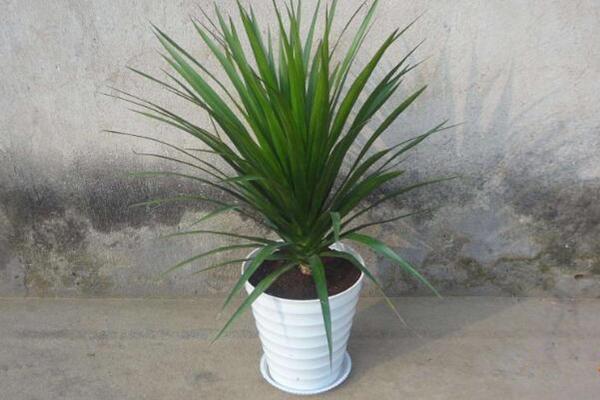
2. For Dracaena, a small earthenware clay pot can be used as the seedbed, and the growing medium can be vermiculite, perlite, or sterilized plain sandy soil that has been disinfected at high temperature. When fertilizing, apply light fertilizer; fertilizer should use less nitrogen and more phosphorus and potassium, to avoid the golden yellow stripes on the leaves becoming indistinct due to excessive nitrogen. Stop fertilizing during the winter dormant period and keep it indoors to overwinter.
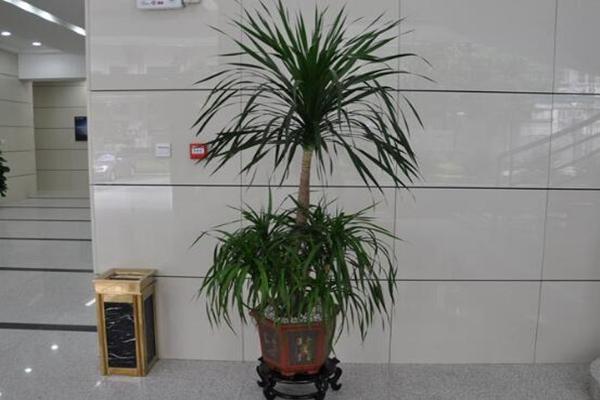
3. When potting Dracaena, consider a warm, humid situation and an environment with sunlight. Dracaena likes warmth, humidity, and ample sunlight, and can also tolerate shade. However, when grown indoors, if it is placed in too shady an environment for a long time, the leaves will also fade in color. So it is best to put the pot on a southeast-facing windowsill so that it fully receives sunlight.
4. Because the environment is dry, keeping Dracaena on a balcony or an indoor windowsill for a long time makes it prone to red spider mites. Chemical pesticides can be used to control them.