How do you care for ginkgo saplings? Master the method to ensure they survive
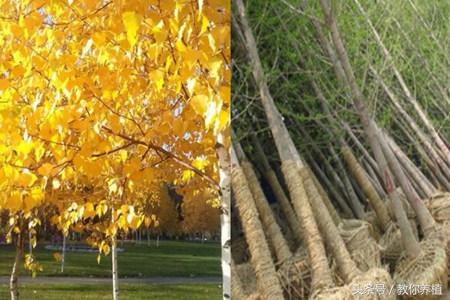
If you want to plant a ginkgo tree, you should first know which planting method suits this tree. Growing ginkgo from seed is slow to show results, and it takes too long to grow into a tree, so the results are poor. The more suitable planting method is using saplings, that is, selecting healthy and sturdy ginkgo saplings and finding suitable soil to plant them in. The saplings should be more than one year old; saplings that are too young and tender are also not easy to survive.
Now that the saplings have been chosen, you need to choose the soil. Ginkgo saplings like fertile, loose soil. So choose a place with fertile soil for planting, and never plant ginkgo trees in yellow earth or red earth. When planting, leave more than one meter between each tree; widening the spacing allows the ginkgo saplings to absorb nutrients better.
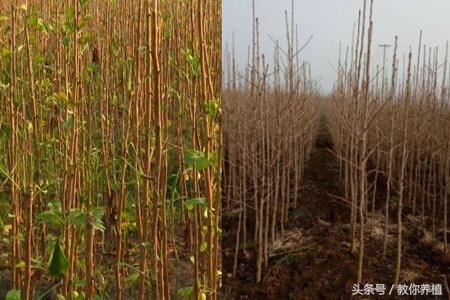
After planting, water them promptly. Only with water and sunlight will the ginkgo trees take root and grow. The first watering should soak the soil thoroughly, and the second watering should not be done too hastily; wait until the surface layer of the soil is dry before watering again. This is because newly planted saplings do not have many roots, so too much water is hard for them to absorb, and soaking in water makes root rot easy.
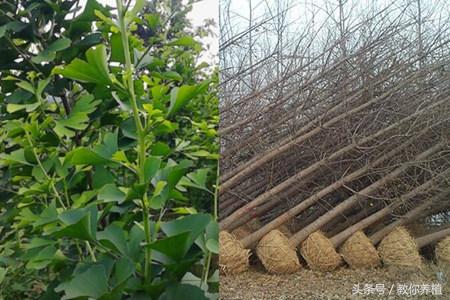
It will take about half a month for the ginkgo saplings to take root and sprout; as long as the small tender shoots emerge, the ginkgo trees will grow quickly. During this period, you must ensure there is enough water. After one and a half months, you need to fertilize the ginkgo trees; you can use phosphorus-potassium fertilizer or organic fertilizer sold on the market. Do not apply too much fertilizer at one time; apply less but more frequently, and a cycle of once every twenty days is better.
By autumn, the ginkgo trees will bloom, and after blooming, do not fertilize again. However, be careful not to let the ginkgo trees attract insects; usually after the flower buds form, one pest and disease control treatment is needed. You can go to a nursery stock market to buy insecticide, dilute it with water, and spray it on the ginkgo trees. After the flowers have bloomed, the ginkgo will bear fruit; after the fruit forms, do not rush to pick it. Once the fruit is ripe, you can enjoy the joy of a harvest.
[Yixiu original, no reproduction without permission!]