What are the control methods for cotton boll rot?
1. Clear the ditches. Before and after rain, promptly clean the drainage ditches in the cotton field. The ditches must be unobstructed to ensure there is no standing water in the cotton field when it rains and no blockage in the ditches, so that surface water can be drained quickly after rain and the groundwater level in the cotton field can be effectively lowered. 2. Prune branches and remove leaves. Pruning branches and removing leaves in the late growth stage of cotton can not only reduce nutrient consumption and save nutrients...
1. Clear the ditches. Before and after rain, promptly clean the drainage ditches in the cotton field. The ditches must be unobstructed to ensure there is no standing water in the cotton field when it rains and no blockage in the ditches, so that surface water can be drained quickly after rain and the groundwater level in the cotton field can be effectively lowered.
2. Prune branches and remove leaves. Pruning branches and removing leaves in the late growth stage of cotton can not only reduce nutrient consumption and save nutrients, concentrating nutrients for boll development, but also reduce the degree of shading in the field, which has a clear effect on controlling boll rot. In late-stage pruning and leaf removal, the focus should be on cotton fields with vigorous growth and early and severe row closure. Time should be seized to remove old, weak, diseased and yellow leaves from the lower part of the main stem, and to open a "skylight" at the right time, that is, remove the leaves on the upper part of the main stem, promptly cut off vegetative branches and empty fruiting branches, and remove axillary buds as soon as they appear. The removed branches and leaves should be taken out of the field for disposal, and if necessary, the bracts of the cotton bolls can also be removed.
3. Push plants aside to air the rows. From late August to late September, for cotton fields with vigorous growth and severe overlapping of branches and leaves, the plants can be pushed aside to air the rows. On a sunny day, push the cotton rows apart so that two adjacent rows lean toward each other in a "V" shape, leaving the other side of the row open to full sunlight, thereby reducing field humidity and reducing the breeding and reproduction of pathogens. If there is a lot of rain, rotate this every 5 to 7 days, first airing the narrow rows and then the wide rows. Alternating the rows in this way can effectively reduce field humidity.
4. Kill boring insects. In the middle and late stages of cotton, the wounds made by boring pests (such as cotton bollworm, pink bollworm, and spiny bollworm) feeding on cotton bolls often easily cause pathogen infection and lead to boll rot. Therefore, pest control in cotton fields is very important.
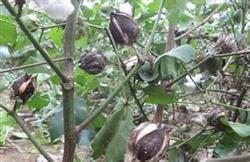
5. Pick rotten bolls promptly. After rotten bolls and withered bolls appear, hurry to pick black bolls, yellow bolls and open bolls, bring them back and spread them out in a ventilated place to promote after-ripening of the rotten bolls. On sunny days, they can be sun-dried. If there is continuous rainy weather, a baking method can be used to force them to split open, and then the cotton segments can be peeled off. This can not only prevent the spread of diseases and pests, but also keep the boll shell rotten without the cotton fiber rotting, recovering part of the loss.