How do you prevent and control pests and diseases such as leaf blight, powdery mildew, and root rot in flowers?
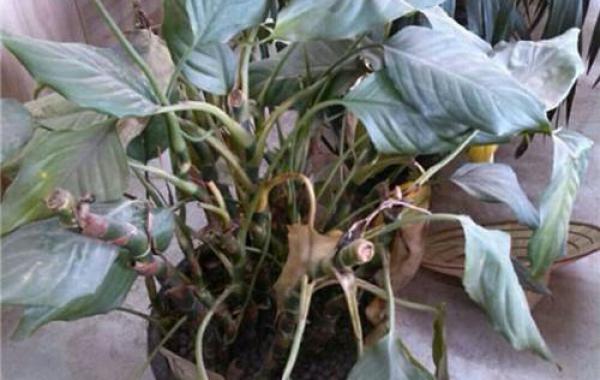
How to prevent and control pests and diseases such as leaf blight, powdery mildew, and root rot in flowers.
So how should pests and diseases such as leaf blight, powdery mildew, and root rot in flowers be prevented and controlled?
Preventing and controlling leaf blight: Take 1 kg each of plant ash, tea cake, and sulfur powder, and 1.5 kg of lime, crush them into powder and mix evenly, then broadcast 1.5 to 2.5 grams per pot for flowers prone to leaf blight.
Preventing and controlling leaf spot: Take 3 kg of plant ash and 1 kg of quicklime powder, mix and stir evenly, then broadcast, 40 to 60 grams per pot, or sieve and dust, or broadcast plant ash alone.
Preventing and controlling root rot: Plant ash has a very good preventive and control effect on flower root rot. The specific method is to first dig away the soil around the roots and clear away the soil around the rotted roots. Scrape off the diseased root bark, apply 0.5 to 1 kg of plant ash per plant to cover the roots, and cover with soil on top.
Preventing and controlling powdery mildew: For flowers affected by powdery mildew, at a distance of 5 to 10 cm from the main stem, dig away the root soil to a depth of 5 to 10 cm, cover each plant with 0.5 to 3 kg of plant ash, and cover the ash with a thin layer of soil.
Preventing and controlling seedling-stage diseases: In flower nursery plots, damping-off, anthracnose, and other diseases easily occur at the seedling stage. When humidity is high and temperature is low, seedling diseases occur severely, often causing large numbers of seedling deaths. Plant ash can be broadcast along the rows at 20 to 25 kg per mu.
Preventing and controlling aphids: Grind plant ash into powder and sieve it, then in the early morning before the dew has dried (or after sprinkling water first), dust the plant ash onto the aphids' bodies. You can also put the ash in gauze and shake it out, repeating once every three to five days, for 2 to 3 consecutive applications.
Preventing and controlling root maggots: When root maggots harm flowers at the seedling stage, using pesticide soil drenching for control can easily cause phytotoxicity, so 30 to 40 kg of plant ash can be applied per mu in the seedling plot. The application method is to evenly broadcast the plant ash on the bed surface at the seedling stage, then hoe and turn it evenly so that the ash and soil are fully mixed. You can also, before sowing or planting, first apply the plant ash in the furrows, and then sow or plant.
Preventing and controlling underground pests: During seedling raising, bulbous flower seedling plots are often harmed by underground pests such as white grubs. Using plant ash as a base fertilizer for prevention and control, or covering the seed bulbs with plant ash, can significantly reduce the damage.
Plant ash can not only supply flowers with nutrient elements such as potassium, but also has a fairly good effect on preventing and controlling flower pests and diseases. Have you used plant ash?
Preventing and controlling leaf blight: Take 1 kg each of plant ash, tea cake, and sulfur powder, and 1.5 kg of lime, crush them into powder and mix evenly, then broadcast 1.5 to 2.5 grams per pot for flowers prone to leaf blight.
Preventing and controlling leaf spot: Take 3 kg of plant ash and 1 kg of quicklime powder, mix and stir evenly, then broadcast, 40 to 60 grams per pot, or sieve and dust, or broadcast plant ash alone.
Preventing and controlling root rot: Plant ash has a very good preventive and control effect on flower root rot. The specific method is to first dig away the soil around the roots and clear away the soil around the rotted roots. Scrape off the diseased root bark, apply 0.5 to 1 kg of plant ash per plant to cover the roots, and cover with soil on top.
Preventing and controlling powdery mildew: For flowers affected by powdery mildew, at a distance of 5 to 10 cm from the main stem, dig away the root soil to a depth of 5 to 10 cm, cover each plant with 0.5 to 3 kg of plant ash, and cover the ash with a thin layer of soil.
Preventing and controlling seedling-stage diseases: In flower nursery plots, damping-off, anthracnose, and other diseases easily occur at the seedling stage. When humidity is high and temperature is low, seedling diseases occur severely, often causing large numbers of seedling deaths. Plant ash can be broadcast along the rows at 20 to 25 kg per mu.
Preventing and controlling aphids: Grind plant ash into powder and sieve it, then in the early morning before the dew has dried (or after sprinkling water first), dust the plant ash onto the aphids' bodies. You can also put the ash in gauze and shake it out, repeating once every three to five days, for 2 to 3 consecutive applications.
Preventing and controlling root maggots: When root maggots harm flowers at the seedling stage, using pesticide soil drenching for control can easily cause phytotoxicity, so 30 to 40 kg of plant ash can be applied per mu in the seedling plot. The application method is to evenly broadcast the plant ash on the bed surface at the seedling stage, then hoe and turn it evenly so that the ash and soil are fully mixed. You can also, before sowing or planting, first apply the plant ash in the furrows, and then sow or plant.
Preventing and controlling underground pests: During seedling raising, bulbous flower seedling plots are often harmed by white grubs and other pests.