-
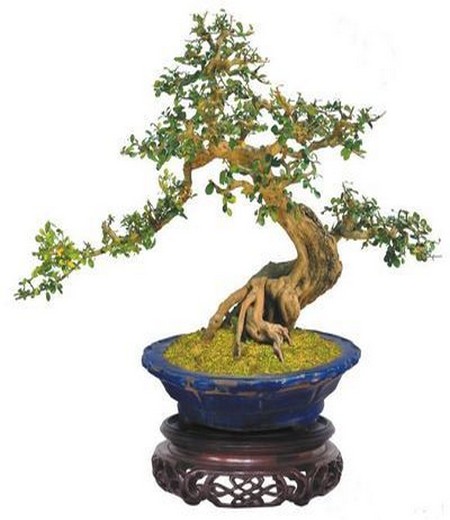
A detailed guide to the entire process of making boxwood bonsai, beginners can learn it too
Boxwood branches and trunks are grayish-white and smooth, with leaves as small as broad bean petals, thick and glossy, emerald green in all four seasons, and ornamental all year round. After pruning and wiring into cloud-layer forms, they are flat and thin as if shaved; or when accented with rocks, they become even more natural and exquisite. Boxwood bonsai has a graceful tree posture, leaves as small as broad bean petals, thick and glossy, evergreen through all four seasons, and can be enjoyed all year round. Yang-style boxwood bonsai
-
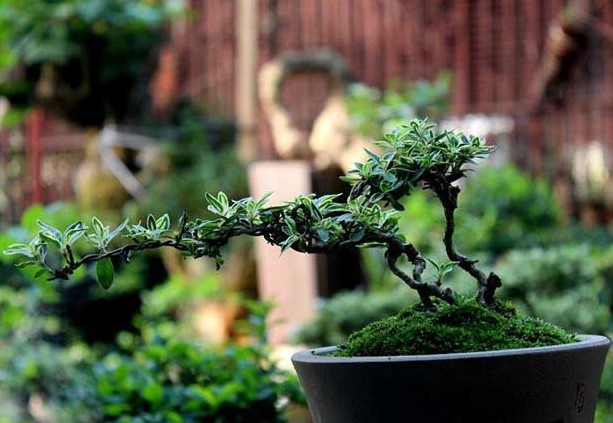
Detailed guide to making a Serissa japonica bonsai, beginners can learn it too
Serissa japonica, also known as Snowbush (Satisfaction). It is an evergreen or semi-evergreen dwarf small shrub of the genus Serissa in the family Rubiaceae. The plant is low, the leaves are dense, the branches are thin and soft, and in midsummer it blooms small white flowers, as if the whole tree is covered in white snow, with high ornamental value. Serissa japonica likes a shady and humid environment and a warm climate. It has low requirements for soil
-
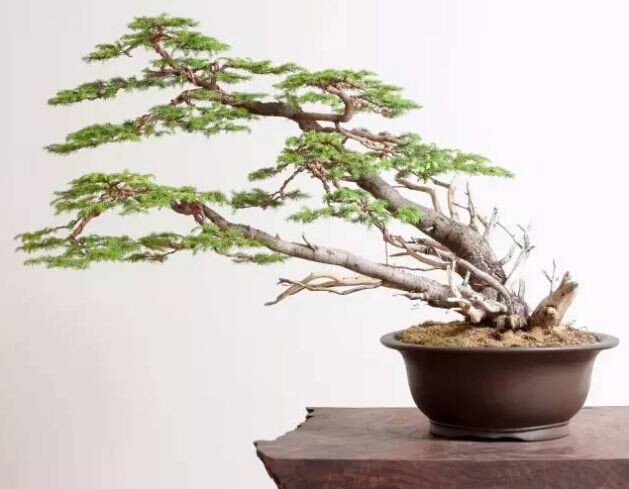
A detailed guide to making cliff cypress bonsai, easy enough for beginners to get started
Pine and cypress bonsai, rugged and aged, cold- and heat-tolerant, not choosy about soil, are long-lived tree species and much loved by people. But digging up and transplanting old pine and cypress stumps so they survive is rather difficult, because their sap is in a waxy state and the bark is fragile and easily damaged; once wounded, the resin seals the cut and hardens, sap circulation is blocked, and it is very hard for new buds to sprout
-
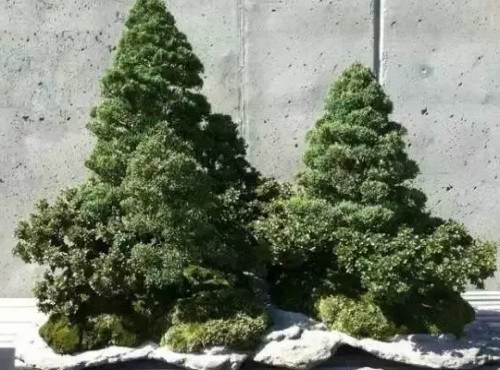
A detailed guide to making forest-style bonsai, easy for beginners to learn
Forest-style bonsai mainly reflects the composite image of the beauty of a group of trees. Although the selection of plant forms is not as strict as with other bonsai, the image of group beauty is expressed through the combination of individual trees. Therefore, each tree in a forest-style bonsai must also be able to show its individual beauty within a unified composition.
-
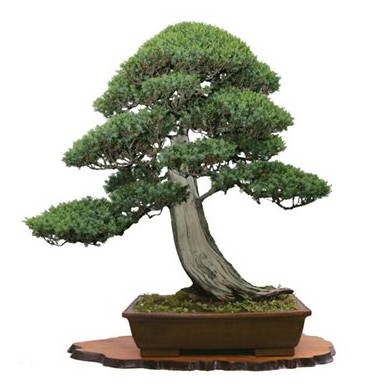
Detailed Guide to Making a Water Poplar Bonsai, Beginners Can Learn It Too
Water poplar (Adina rubella), a deciduous small shrub in the family Rubiaceae. It prefers high temperatures and fears cold, is not afraid of waterlogging, has strong sprouting ability, dense branches, small leaves shaped like willow leaves, and dark green foliage. Its trunk is smooth and slightly yellow-white, with a well-developed root system and soft branches that are easy to wire and bend, giving it a graceful tree form. It is mainly distributed in the middle and lower reaches of the Yangtze River basin, and can be found along rivers, lakes, and streams.
-

Detailed Guide to Making a Firethorn Bonsai, Easy for Beginners Too
For firethorn bonsai, the best soil is relatively fertile garden soil or surface soil from mountain forests; decomposed base fertilizer, fine sand, and potting soil can also be used. Firethorn is best repotted once a year. Choose late autumn or early spring for repotting, that is, after new shoot growth stops or before new shoots begin to grow. For firethorn that has not borne fruit, the pot and soil can be changed in any season.
-
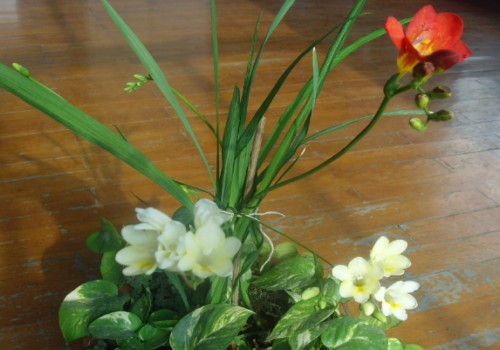
A detailed guide to the water culture method for freesia, easy enough for beginners to learn
Freesia is a flowering plant with extremely high ornamental value and a rich fragrance. Because it grows from a bulb that resembles garlic, it is classified as a bulbous type. This flowering plant can be grown not only in soil but also in water, though getting it to bloom in water culture takes considerable time
-
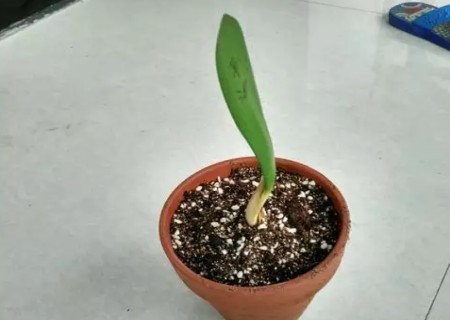
Illustrated Guide to Propagating Clivia by Dividing Offsets, Easy for Beginners to Learn
Once a clivia (Clivia miniata) reaches maturity, it can produce new offsets. These offsets are twisted off and grown into new plants; this is called asexual propagation of clivia. According to where they emerge, the offsets can be classified as stem-side offsets, stem-base offsets and leaf-gap offsets, all of which grow from the stem. When an offset has grown to 6 leaves, stem-base offsets and stem-side offsets can be divided off.
-
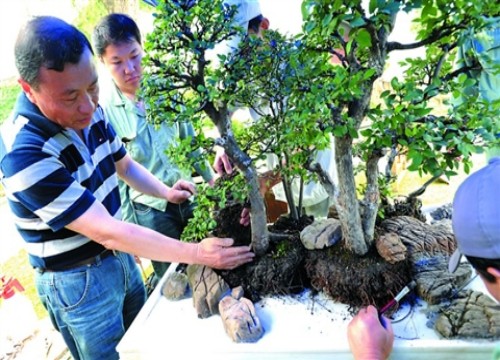
Detailed step-by-step guide to making a water-and-land bonsai, easy for beginners to learn
Water-and-land bonsai is rich in painterly charm, blending scenery and emotion, appealing to both refined and popular tastes, and is a form loved by the broad masses. Making a water-and-land bonsai requires not only the basic skills for working with tree bonsai, but also experience in making landscape bonsai, and demands that the creator have a high level of cultural and artistic cultivation. Only with hills and valleys in the heart, an eye for beauty
-
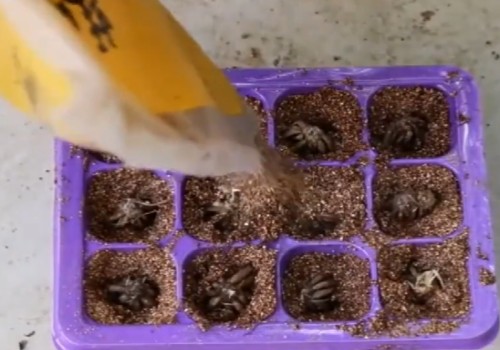
A detailed guide to sowing Ranunculus asiaticus: even beginners can learn it easily
Ranunculus asiaticus, also known as Persian buttercup, not only has many varieties and rich flower colors, but also blooms in a very showy and fragrant way, with especially high ornamental value. It can be used for cut flowers or grown in pots, and both bring us a delightful enjoyment. Moreover, Ranunculus asiaticus is a flowering plant that can bloom and set seed
条件筛选