What are the drawbacks of free-range cattle farming in rural areas? Keepers must not ignore them
There are still many free-range keepers in rural areas today, but the results these free-range keepers get are often not as good as those of some farms. Both are raising cattle, so why is the gap in results so obvious? It is because these drawbacks of small-scale keepers are becoming increasingly obvious, yet few people are willing to adjust.
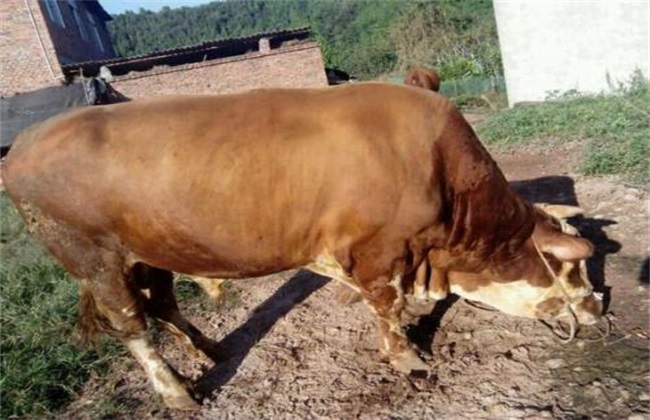
1. Poor breeds
Although free-range keepers also breed their own cattle, the drawback of having a single breeding bull is quite obvious, because if one household has a slightly better quality breeding bull, basically everyone nearby comes to this household for mating, and even afterwards they basically keep choosing to come here. This causes the regional gene pool to basically come from a few specific animals, and the keepers have no way to keep every calf as good as the previous cattle. As time passes, the breed naturally deteriorates. Sometimes it is not that free-range keepers cannot raise cattle well, but that their breed limits development, so they can only raise them to this level. Therefore, free-range keepers had best arrange cross-regional mating for their cattle, so the breed can gradually improve and get better.
2. Calf rearing is not up to standard
Free-range keepers are rather careless in their view of calves. Many times they simply raise calves as if they were adult cattle, without considering at all the serious harm these problems bring to calves. Quite a few calves suffer developmental damage from a young age for such reasons, and when they grow up it is naturally hard to produce ideal beef cattle. Free-range keepers need to systematically learn calf rearing and management techniques and change their ideas about raising cattle, so that this drawback does not bring them continuous losses. If you want to raise beef cattle well, calf management is unavoidable.
3. Farming is not scientific
Next is the scientific raising of adult cattle. The cattle-raising techniques of free-range keepers are basically traditional experience they figured out themselves, and it has now been proven that such farming techniques are unscientific and extremely inefficient. I believe many free-range keepers know where their cattle shed is built and what kind of environment it is in. Under such a model, it would be strange if cattle-raising benefits were high. Do not think that scientific cattle raising requires a huge cost. Simply controlling hygiene well can greatly improve your farming efficiency, while all you pay is a little extra time each year cleaning up. This drawback in farming ideas is something free-range keepers must change.
4. Extensive grazing
Grazing cattle is a key part of fattening, and the drawback here is that free-range keepers do not manage it. Many people graze their cattle by tying them in one place and letting them eat grass, while they themselves pay no attention. The returns from such grazing are actually very poor, not even as good as feeding them at home. Cattle actually like to eat tender fresh grass, and they generally will not eat a second time where they have already grazed. But when you fix them in one place, they can only eat back and forth in the same spot, which means the cattle eat little useful grass while grazing, and instead some low-nutrient grass fills their stomachs, hindering the fattening effect. Free-range keepers often find that cattle grazed in summer do not fatten, while cattle penned and fed in winter actually fatten a lot more. This is caused by extensive grazing.
The above are some of the drawbacks of free-range cattle farming in rural areas. Today, farming emphasizes maximizing the use of various resources and then combining them reasonably. Do not keep experiencing these drawbacks just because hearing about scientific farming makes you think it costs money. You must keep pace with the times.