A pig's rectum has prolapsed from the anus and cannot be pushed back in; how should prolapse of the anus be prevented and treated?
Pig rectal prolapse refers to the prolapse of the mucosa of the posterior segment of the rectum or part of the rectum out of the anus without being able to return on its own, showing as the end of the large intestine and the inner part of the anus protruding outside the anus. The causes of rectal prolapse in pigs are complex, and generally include the following:
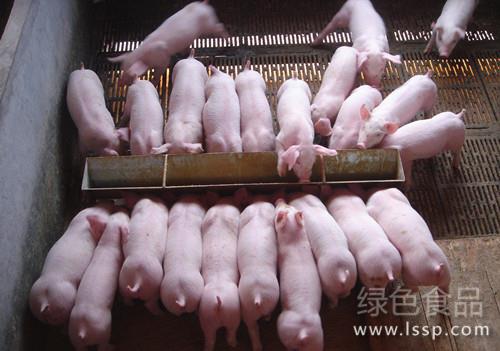
Pig
1. Feed problems. Sudden feed changes, spoiled or moldy feed, low crude fiber content, too much coarse feed, and high calcium content can all cause rectal prolapse.
2. Management problems. High stocking density, cold pig housing, large temperature differences between day and night, and huddling of pigs, such as coughing in pigs, make the disease more likely. During farrowing in sows and high-density transport, increased abdominal pressure occurs, resulting in rectal prolapse. Too high temperatures, sudden weather changes, and various stress factors in rearing such as biting, running, and strenuous exercise can also cause rectal prolapse in pigs.
3. Disease problems. Some diseases causing severe inflammation, long-term constipation, and stubborn diarrhea in pigs can all cause rectal prolapse. When respiratory disease occurs with severe coughing, it can cause increased abdominal pressure, and therefore rectal prolapse occurs.
4. Drug problems. When lincomycin or tylosin in feed exceeds the standard, it causes swelling of the edge of the pig's rectum, followed by rectal prolapse; in addition, long-term consumption of certain antibiotics can cause intestinal flora imbalance in pigs, leading to constipation and thus rectal prolapse.
5. Genetic problems. Rectal prolapse is related to genetics; inbreeding brings out genetic defects and increases the probability of the disease.
6. Urethritis, vaginitis, damage to the rectum or urethra after mating, and excessive salt in the diet can also cause rectal prolapse in pigs.
Prevention and treatment measures:
1. Feed high-quality complete feed, supplement with green and succulent feed, and also provide sufficient clean drinking water, maintain proper exercise, and prevent feed from becoming moldy.
2. Strengthen feeding management, prevent fright, reduce various stresses, lift and set down gently when moving groups, pay attention to keeping warm in winter, and prevent inbreeding.
3. Treatment. First, for milder symptoms, wash the prolapsed intestinal tract with warm 10% alum water or potassium permanganate water, then lift the pig's hind legs and slowly push it back into the abdominal cavity, and inject 95% alcohol at four points above, below, left, and right of the anus, 2-3 ml at each point, so that the pig's hindquarters leave the ground, and restrain it for 20-30 minutes; after the adverse stimulation of the rectum gradually decreases and straining disappears, put it in a single pen and raise it in isolation. Second, for severe rectal prolapse, surgery is required: purse-string suture. During suturing, first use disinfectant solution to clean and disinfect the needles, thread, scissors, surgical instruments, arms, and the prolapsed part; for edema, gently squeeze the swollen area away by hand; if there is ulceration, peel off the rotten flesh and clean it thoroughly, then gently push it back into the anus, and then suture; after the operation, inject dexamethasone and penicillin at the Houhai acupoint, use it 2-3 times in succession, raise in isolation, and generally it returns to normal within 3—5 days.
4. Rectal prolapse easily recurs. For pigs with rectal prolapse occurring more than 2 times, there is no feeding value, and they should be culled; sows with rectal prolapse should also not continue to be used for breeding.