-
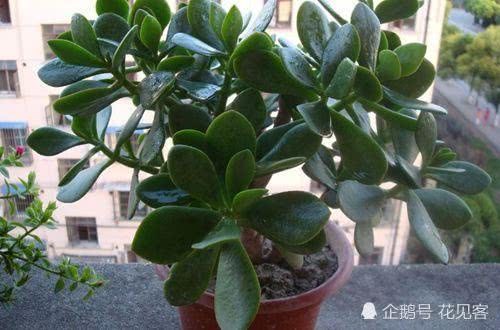
Jade Plant Autumn Care: Master 3 Techniques for Thick Branches, Plump Leaves and Vigorous Growth
The jade plant (Crassula ovata) has a tall, elegant crown, rugged and age-old-looking branches, and peculiar leaf shapes that resemble green jade. Generally in summer and autumn, it bursts into full bloom with green and white intermingled, giving a fresh and unique feeling, and it is deeply loved by many flower enthusiasts. Caring for a jade plant in autumn requires...
-
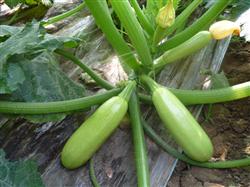
How to manage zucchini during the fruiting stage? Master these technical key points
How to manage zucchini well during the fruiting stage? Please give an introduction. During the zucchini fruiting stage, you can refer to the following methods for management: 1. During the fruiting stage, leaves should be removed reasonably. As the plant continues to grow, the leaves gradually increase, which easily causes the field to become closed and poorly ventilated and lit. The lower leaves find it difficult to receive light for photosynthesis, and instead...
-
What should be noted when fertilizing rapeseed? These key points must be mastered
What should be noted when fertilizing rapeseed? Please advise: when fertilizing rapeseed, the following three points should be noted: 1. Do not apply fertilizer in holes. Applying fertilizer in holes easily causes excessive local fertilizer concentration, so the roots cannot absorb it evenly, and it may even cause rapeseed poisoning and root burn, affecting growth, especially when ammonium bicarbonate is applied in holes. Therefore, rapeseed fertilization is best...
-
What should be noted when applying boron to rapeseed? Master the correct application method
How to fertilize rapeseed scientifically? Please advise. In rapeseed production in the Yangtze River Basin, the application rates of nitrogen, phosphorus and potassium fertilizers are generally low, the nutrient ratios are unbalanced, organic fertilizer application is insufficient, the straw return rate is low, and deficiencies of trace elements such as boron occur from time to time. Fertilization principles: increase organic fertilizer application and advocate straw return; supplement according to the soil...
-
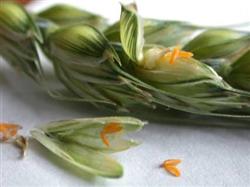
How to control wheat blossom midge? These methods you need to master
How to control wheat blossom midge? Please explain the methods. Wheat blossom midge can be controlled by referring to the following methods: 1. Occurrence patterns of wheat blossom midge. Wheat blossom midge has one generation per year. Overwintering larvae form cocoons in the soil at 20 cm to oversummer and overwinter. In the spring of the following year, when the temperature rises to 10 degrees (at this time wheat is at the jointing stage), the midge begins to break the cocoon and moves up into the 3-10 cm soil layer to prepare for pupation. When the temperature reaches 12 degrees (at this time it is the booting stage of wheat, mid-to-late April), the larvae successively pupate at about 3 cm on the soil surface. This is the best time to apply poisoned soil to control wheat blossom midge. Otherwise, after wheat heading, adult midges emerge in large numbers. Newly emerged adults can mate and lay eggs the same day. Each adult can lay dozens to over a hundred eggs. After 5-6 days, the eggs hatch into larvae, which bore into the wheat glumes and feed on the grain that is filling. In the late filling stage, mature larvae crawl out of the glumes after rain or when dew wets the wheat heads, fall to the soil, and oversummer and overwinter there. By wheat harvest, the damaged grains become "sparrow tongues" or "small black spots", shriveled and black, causing serious yield reduction.
-
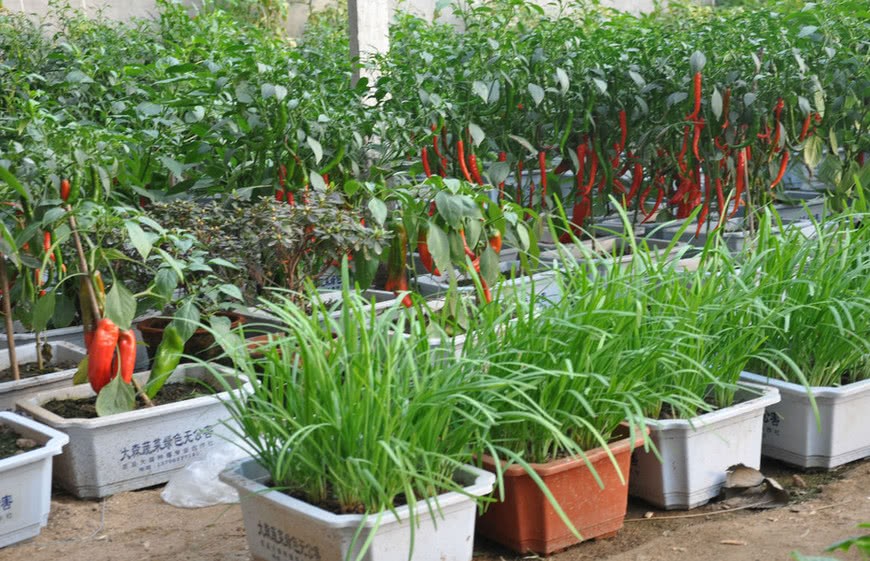
Balcony Vegetable Fertilizing Tips: Master 6 Points to Make Potted Vegetables Grow Strong and Plump
Actually, whether you are growing vegetables in pots on a balcony or in a vegetable plot, you need to fertilize. As the saying goes, "For crops to bloom, it all depends on fertilizer." But when you grow vegetables on a balcony, do you know when to apply how much fertilizer, and what to pay attention to when fertilizing...
-
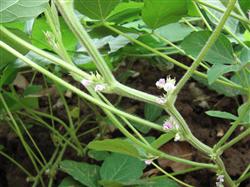
How to manage summer soybeans during the flowering stage? These key points you need to master
How should summer soybeans be managed during flowering? Here is an introduction. Summer soybeans can be managed during flowering by referring to the following methods: 1. Intertillage: The late flowering stage of summer soybeans and the period when vegetative growth and reproductive growth proceed simultaneously. During this period, temperatures are high, light is intense, and plants grow quickly, with the average plant height generally increasing by 2-3 cm per day, ...
-
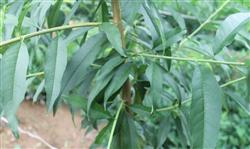
How to manage peach trees after fruit harvest? Master these technical points
How should peach trees be managed after fruit harvest? Please give guidance. After fruit harvest, the peach tree still has a long growth period before leaf drop in autumn, which is precisely the key period for nutrient accumulation and flower bud differentiation. The quality of management will directly affect the peach tree's overwintering and the fruit set of the coming year. Therefore, management after peach harvest cannot be relaxed. The main technical measures...
-

How to Identify a Pregnant Scorpion? Master These Methods to Tell with Ease
Methods for Identifying a Pregnant Scorpion
-

Detailed Guide to Mealworm Breeding Technology, Easily Master the Rearing Methods
Mealworm Breeding Techniques
条件筛选