-

What is Monilaria obconica? An introduction to Mesembryanthemaceae succulent plants
Monilaria obconica, of the genus Monilaria in the family Mesembryanthemaceae (Aizoaceae), is native to South Africa. It is a very drought-tolerant succulent plant that prefers shade. Because its appearance looks very much like a little rabbit, soft and adorable, it is deeply loved by flower lovers.
-
Haworthia cooperi var. truncata: Variety Characteristics and Care Methods of a Haworthia Succulent
Haworthia cooperi var. truncata originates in South Africa. Its cute shape and translucent appearance are very unique, and it is often used in mini arrangements. Below is some information about Haworthia cooperi var. truncata.
-
Put a pot of this flower in the bathroom and odors disappear, leaving it fresh and natural
Bathrooms usually have some odor and are fairly damp and dim. A bathroom with a window is better, but most are located on the north side with little light. Gardeners certainly won't let this space go to waste, and they all like to place a few pots of flowers in the bathroom. Putting flowers in the bathroom...
-
What plant is Xiangqingmu? Let us introduce you to this woody plant
Xiangqingmu is compact in appearance, and its fragrance, like its name, is delicate and pleasant. It is a woody plant with a beautiful appearance and multiple benefits, often used for home decoration, with a distinctive charm.
-
Is the false aralia a woody plant? A brief introduction to the false aralia
The false aralia is an evergreen small foliage tree native to the Australia region. Its leaves resemble slender fingers, have serrated edges, are dark green, and grow in a radial form.
-
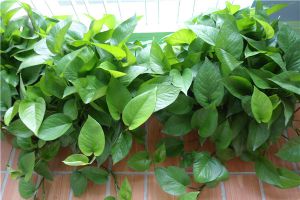
Add this to the hydroponic bottle, and the smell disappears in 2 days and no more bugs
In summer, many flower lovers enjoy growing plants hydroponically, but after a while the water starts to stink. Actually, the solution is very simple: add something to the water to sterilize and disinfect, and it also prevents rot!
-
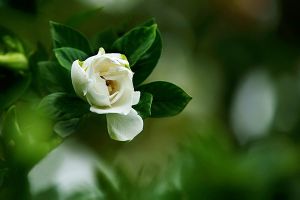
Give this to gardenias and jasmine and they will burst with blooms, while yellow leaves and root rot disappear completely
In summer, growing flowers is most prone to yellow leaves and root rot, with many pests and diseases, and fertilizing can also cause a strong bad smell. To solve these problems, you need some clever tricks, such as giving the flowers a little vinegar to supplement nutrients while also eliminating yellow leaves, pests and diseases!
-
-
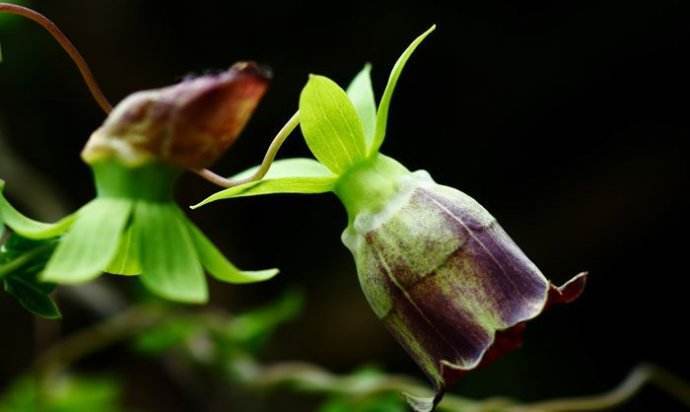
The flowers of the Japanese ladybell nod downward, appearing very shy and delicate.
The Japanese ladybell (Codonopsis lanceolata) is a perennial twining vine. It is distributed across the provinces of Northeast, North, East and Central-South China, growing in shaded, damp areas under shrubs on mountain slopes. Perennial twining herb, root thick and fleshy, obovate-fusiform, stem round, bearing...
-
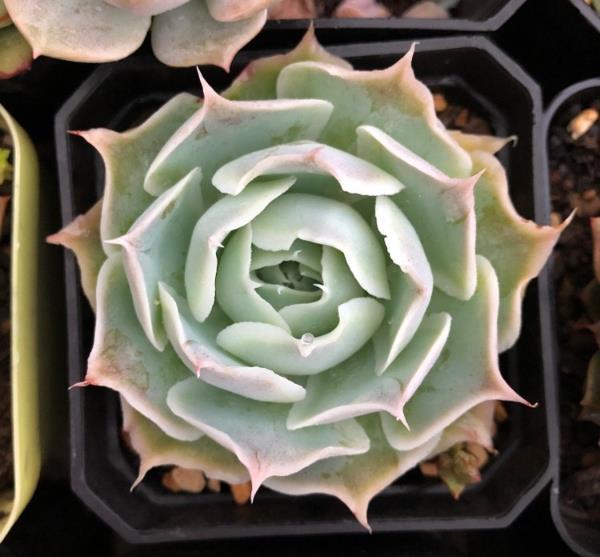
When this phenomenon appears in succulent soil, it means it is time to water
The golden rule for watering succulents during the growing season is to water only when the soil around the plant's roots is almost completely dry. But many people get confused about whether those plants are "summer growers" that enter their growing season in summer or...
条件筛选