When this phenomenon appears in succulent soil, it means it is time to water
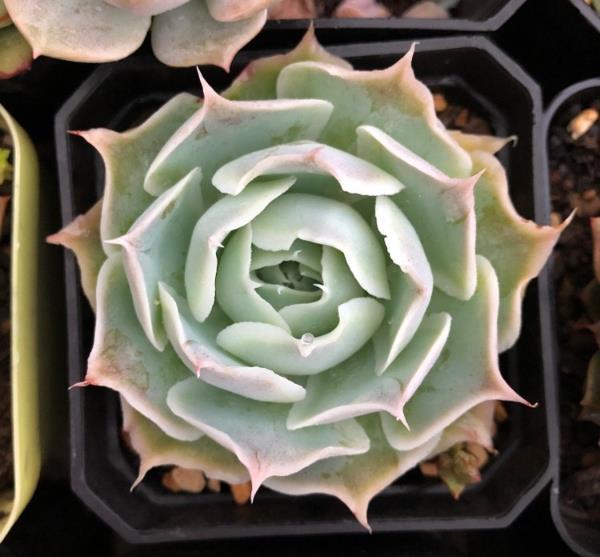
The golden rule for watering succulents during the growing season is to water only when the soil around the plant's roots is almost completely dry. But many people get confused about whether those plants are "summer growers" that enter their growing season in summer or "winter growers" that enter their growing season in winter. There are also some succulents that grow in places with heavy rainfall in winter but grow rapidly when it rains in summer.
Insert a toothpick (chopstick, popsicle stick, bamboo skewer, etc.) into the pot, and before watering, pull it out to check whether the toothpick is damp, so as to determine whether the soil has dried out. By checking whether the inserted stick is damp, you can then judge whether the plant needs watering. Isn't this method simple? Isn't it easy to get the watering rhythm right? But this method also has a drawback: when you insert items such as a toothpick into the potting soil, the process will inevitably damage the plant's roots.
When a plant looks somewhat withered during the growing season, it is usually a sign that the plant needs water; during the dormant season, it is normal dormancy, and there is no need to worry about the withered epidermis. Most succulents grow better when daytime temperatures are 14°C to 25°C and nighttime temperatures are 4~10°C. Note that the temperature should preferably not be below zero; even if it is below zero, it should not last more than one or two hours.
The watering method and amount for succulents are as follows: in summer, the best time to water is early morning; in winter, it should be done before noon on a sunny day; in spring and autumn, watering can be done in the morning or evening. Generally, do not pour water from the top; when watering, it must be thorough, and for this reason the soil must be loosened regularly so that the potting soil can evenly absorb enough water. For winter-growing types and intermediate types that are currently growing, keep the potting soil moist but not waterlogged, and water thoroughly only after the soil has dried out; it should be neither waterlogged nor too dry. Summer-growing types can be given a moderate amount of water, but not excessively. If there is rainy weather or the temperature suddenly drops, stop watering.
Some people who grow succulents deliberately move them to the office, so that during the day it is only around 20-plus degrees, and at night after everyone leaves and the air conditioning is turned off, the temperature rises to 30 degrees. You can imagine what a torment this reversed temperature difference is for succulents. Of course, succulents can still carry out photosynthesis normally during the day, but because the nighttime temperature is not low enough, the plants cannot store the nutrients produced during the day and instead consume more. It is unavoidable that the plants will gradually weaken. A temperature difference of around 10 degrees is ideal. If the daytime temperature is around 35 degrees, try to keep it below 25 degrees at night, which will greatly help the plants.
When growing succulents in summer, keeping the airflow unobstructed is very important. Normal airflow can not only reduce the high-temperature environment immediately around the succulents, but also quickly carry away the excess moisture produced if you accidentally overwater. In addition, a ventilated environment can also effectively prevent pests and diseases. In summer, place the succulents in a ventilated and shady spot; "shady" here refers to the degree of light. If direct sunlight continues to shine on the succulents, they will become listless, shrink, and so on. Succulents must maintain sufficient light in order to grow normally.
This is a gathering place for succulent lovers, sharing succulent care tips. Welcome to follow and exchange ideas.