Give this to gardenias and jasmine and they will burst with blooms, while yellow leaves and root rot disappear completely
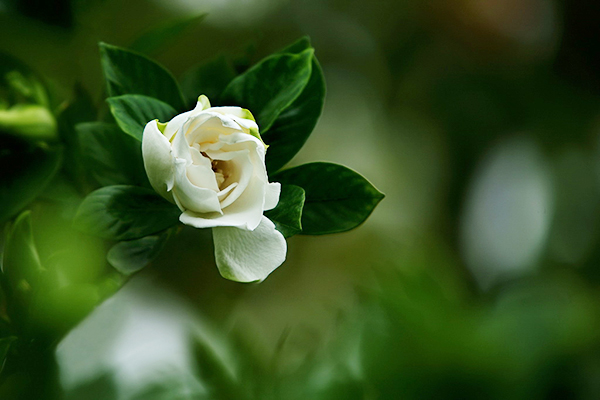
Yellowing leaves, how do you use vinegar?
Water the soil
When gardenias, jasmine and money trees show yellowing, wilting leaves, it may be caused by soil that is too alkaline, and vinegar can be used to adjust it.
Usage and dosage:
Dilute salt-free vinegar 50 times, then pour it into the soil to adjust the soil pH and promote plant growth.
Dull dark leaves, how do you use vinegar?
Spray the leaves
When pothos and ivy leaves turn dull and look dirtier the longer they are grown, which also affects their ornamental value, it is actually a lack of nutrients; spraying a little vinegar immediately makes them glossy green and shiny!
Usage and dosage:
Dilute vinegar with water 300 times, spray it on the leaf surface in the morning or evening, about once every 10 days, for 4~5 times in a row, and the leaves will grow greener and greener.
Stunted plants, how do you use vinegar?
Spray the whole plant
When camellias, jasmine, Chinese roses and others show slow growth, small leaves and few flower buds during care, you can spray a little vinegar to promote growth and development.
Usage and dosage:
Use a vinegar solution diluted 300 times and spray the plant before bud formation, about once every 15 days, which can make the leaves and branches larger and increase the number of flowers.
Pest and disease infection, how do you use vinegar?
Spray the affected pest area
In summer, Chinese roses are prone to powdery mildew, rhododendrons to black spot, roses and peonies to sooty mold, and other downy mildew and leaf spot diseases can also be controlled with vinegar.
Usage and dosage:
Dilute vinegar 150 times, spray it on the affected pest area, about once a week, preferably in the morning or evening, and after 3~5 times in a row it can be effectively controlled.
Strong odor after fertilizing, how do you use vinegar?
Water the soil
When growing flowers indoors in summer, after applying organic fertilizer, the fishy smell will spread throughout the whole room. If you pour in an appropriate amount of vinegar solution, it can eliminate the odor and also sterilize and disinfect.
Usage and dosage:
Mix a few drops of vinegar solution diluted more than 50 times into the liquid fertilizer, and after watering the soil the odor can be eliminated.
Note: Huahua reminds everyone that you must first figure out whether your flowers like acidic soil or alkaline soil. Alkaline-loving plants such as cacti and pomegranates must never be given vinegar carelessly!
Flower friends, vinegar has so many clever uses
Quickly check whether your flowers need a little vinegar?