A Brief Analysis of Key Points for Winter Vernalization Care of Cymbidium and Orchids
A Brief Discussion of "Wintering of Cymbidium and Orchids" (Vernalization)
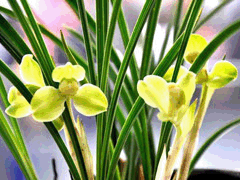 A Brief Discussion of "Wintering of Cymbidium and Orchids" (Vernalization)
Talking About Vernalization in the Depths of Winter
Note: As soon as vernalization is mentioned, one gets criticized. On reflection, that makes sense: using something that has already formed a concept in botany to describeorchidecology is not only a mechanical application but also arguably a misappropriation of the concept. Be that as it may,orchidsstill have to get through this extraordinary period, so for now let us change "vernalization" to "wintering."
Every year from the Winter Solstice to the Great Cold period, temperatures across China are at their lowest of the year, which people customarily call the depths of winter. When we speak of growing orchids in the depths of winter, we cannot forget the wintering issue of cymbidium and orchids.
The so-called wintering refers to the low-temperature stage that cymbidium and orchids must undergo during reproductive growth. It plays a role in promoting the swelling and growth of flower buds that other natural and artificial conditions cannot replace. How well the wintering is carried out directly affects the quality of cymbidium and orchid blooms, and it must not be taken lightly. As the depths of winter approach, several issues must be noted: First, wintering must be sufficient. Generally speaking, from Light Snow to Great Cold is the best wintering period for cymbidium and orchids. The temperature during this period is best kept between 0—12°, and the wintering time generally should not be less than 1 month. The period from the Winter Solstice to Great Cold is especially important. Second, the temperature during wintering must not be too high or too low. During the wintering stage, the temperature must by no means fluctuate too greatly. Low temperatures below -5° and temperatures above 15° are both unfavorable to the normal growth of flower buds, easily causing cymbidium and orchids to have frozen buds and affecting the elongation of the flower scape.Cymbidium goeringiioften shows the phenomenon of early blooming by borrowing spring warmth, greatly reducing the quality of the flowers. Third, avoid excessively high humidity during the wintering period. The wintering period is whenorchidsin nature have the lowest air humidity and soil humidity. The ecological environment of orchids in nature is the direction we strive for in indoorFlowerThe ecological environment is our indoororchidgrowing. Therefore, during the wintering stage, neither the air humidity nor the pot soil humidity should be too high, otherwise the buds and roots are prone to rot, which is very unfavorable to the growth of cymbidium and orchids in the coming year. Practice has repeatedly proved that low-temperature wintering is an unavoidable stage in the reproductive growth of cymbidium and orchids. We cannot violate natural laws and artificially change it, otherwise things will inevitably turn out contrary to our wishes and directly affect theorchid'sflower quality. In order for cymbidium and orchids to bloom better, let us still let go and boldly allow orchids to fully winter!
Although research now shows that methods such as water control and chemicals can replace wintering, the natural wintering conditions are the most effective. Of course, in the south, the north, and other places where natural conditions cannot meet the wintering requirements, artificial methods can also be used. It is best to combine natural and artificial conditions according to the requirements of cymbidium and orchids, which will surely achieve twice the result with half the effort. (Water less; when the sun shines during the day, open windows for ventilation to prevent the temperature from being too high andorchid plantsbreaking dormancy.)
This time, after changing vernalization to wintering, I myself also find it rather awkward, but in order to respect science, I will gradually get used to it!