-
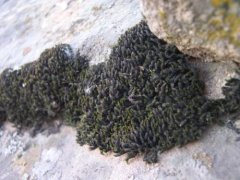
Common Moss Species: Alpine Bryum is a Major Feature of Tufted Bryum Moss Plants
Alpine Bryum is a type of moss plant, and from its name you can tell that this moss plant grows on high mountains. That is why it is called Alpine Bryum. So what characteristics does it have? Let's take a look together.
-
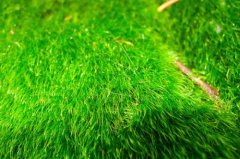
Common bryophyte Campylopus, alpine Campylopus caespitosus, main characteristics of bryophytes
Campylopus is a bryophyte that mainly grows on sandy-stony soil or peat soil in alpine regions, and is usually found under forest, at forest edges or in mountain streams and similar places. Campylopus is characterized by a slender plant body, densely caespitose, with stems and leaves, having
-

Price of Alpine Gentian Root per Jin, Benefits of Drinking It as Tea, and the Four Best Herbs to Brew with It
Gentian root, also known as gall grass, bitter gall grass and so on, is a herbaceous plant commonly found on hillsides, grasslands and in thickets. Because its roots and stems have effects such as clearing heat and detoxifying, strengthening the stomach and boosting immunity, it is widely used as a medicinal material. It is currently sold on the market, and the price is a little on the expensive side
-
Where in our country are alpine desert soils distributed? What is suitable for growing there?
Alpine desert soil, also called cold desert soil, has as its parent material mainly residual and slope deposits from the weathering of various rocks, and also some glacial till. Organic matter accumulation in the soil is weak, 0.4-0.6%, salt content 0.5-1.6%, and calcium carbonate accumulation is obvious. White salt efflorescence and crusts are seen on the surface, mostly
-
Where in China are alpine meadow soils distributed, and what is suitable for growing on them?
Alpine meadow soil refers to soil developed under meadow vegetation above the closed canopy line of alpine forests. In China it was once called grass felt soil. Its main features are: the surface is layered or mound-shaped due to frequent frost cracking and soil sliding; the surface layer is a soft and tough grass felt layer interwoven by grass roots. Alpine
-
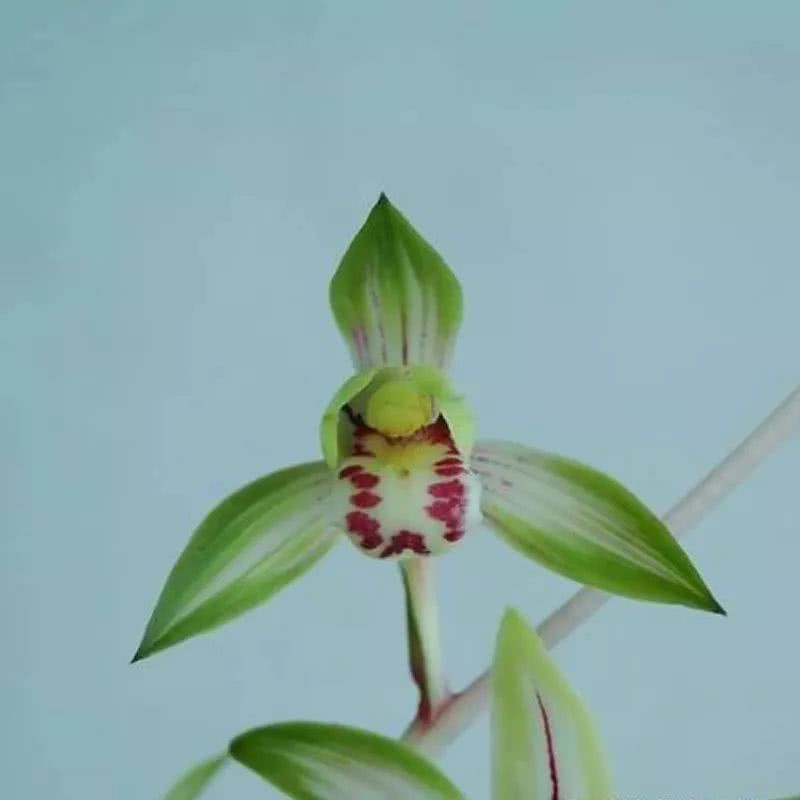
Cymbidium ensifolium 'Alpine Spring' (Yuxia) Four-Season Orchid, indoor potted green plant with free shipping
Promote Chinese orchid culture, spread orchid knowledge. Alpine Spring (also known as Yuxia or Gaomei), a Cymbidium ensifolium or Four-Season Orchid with early-brightening center-translucent variegation and red compound-color flowers. Original price 100 yuan per shoot, now 75 yuan per shoot, minimum order 3 shoots. The leaf buds show green compound rims with yellow center-translucent early-brightening variegation...
-

How to grow alpine rhododendrons? 7 steps to get it done easily
Rhododendron Rhododendron Wu Zihan 00:00/05:17 ...
-
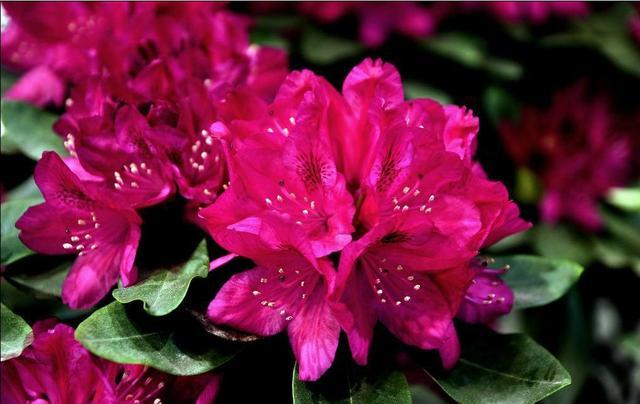
Grafting and seedling-raising technique for alpine rhododendron using Rhododendron decorum as rootstock
Grafting and seedling-raising technique for alpine rhododendron using Rhododendron decorum as rootstock Alpine rhododendron: an evergreen small shrub, up to 1 m tall, densely branched, prostrate or upright. Leaves usually scattered at the top of the branches, leathery, grayish to dark grayish green above, pale yellowish brown below...
-
Detailed Explanation of Key Techniques for Alpine Rhododendron Cultivation and Management
When the seedlings you purchased arrive at the greenhouse, they are usually quite fragile and prone to damage during transport, so careful handling by the grower is very important. Strengthen management from the very beginning, and many problems later on can be avoided. 1. First potting: If you purchased plug seedlings, it is best to use rigid plastic pots 8-10 cm in size. Do not press the substrate in the pot too firmly, so as to allow aeration, and maintain a certain level of moisture. Do not prune at potting time; wait until the root system is well developed and the terminal buds begin to grow before pruning.
-
How to grow alpine rhododendrons? A detailed guide to cultivation and management techniques
Alpine rhododendrons have very strong adaptability and can grow at normal temperatures. In Europe, they are mostly produced outdoors, and where conditions allow, greenhouses can be used for production. At different temperatures, the growth of alpine rhododendrons varies considerably. The optimum temperature for alpine rhododendrons is 15-20°C. At a maximum temperature of 35-39°C, growth is inhibited, and measures such as shading, cooling and ventilation should be taken promptly. The temperature is best kept within 30°C. When it exceeds 35°C, alpine rhododendrons will suffer damage to varying degrees, which is unfavorable for flower bud differentiation. Although alpine rhododendrons can generally tolerate low temperatures of -20°C, the temperature should be kept above 10°C as far as possible, especially to protect seedlings from freezing.
条件筛选