-

Alpine Tea Capital Chiayi 2020 Tea Expo: 4-meter giant teapot builds pre-event excitement
The "Alpine Tea Capital. Chiayi" 2020 Tea Expo will open grandly this Saturday at the Jinlan Branch of the Zhongpu Township Farmers' Association. With 3 days to go before the opening, at the promotional press conference on the 18th, Chiayi County Magistrate Weng Chang-liang led the directors-general of township farmers' associations and local tea...
-

How to grow alpine rhododendrons? 7 steps to get it done easily
Rhododendron Rhododendron Wu Zihan 00:00/05:17 ...
-
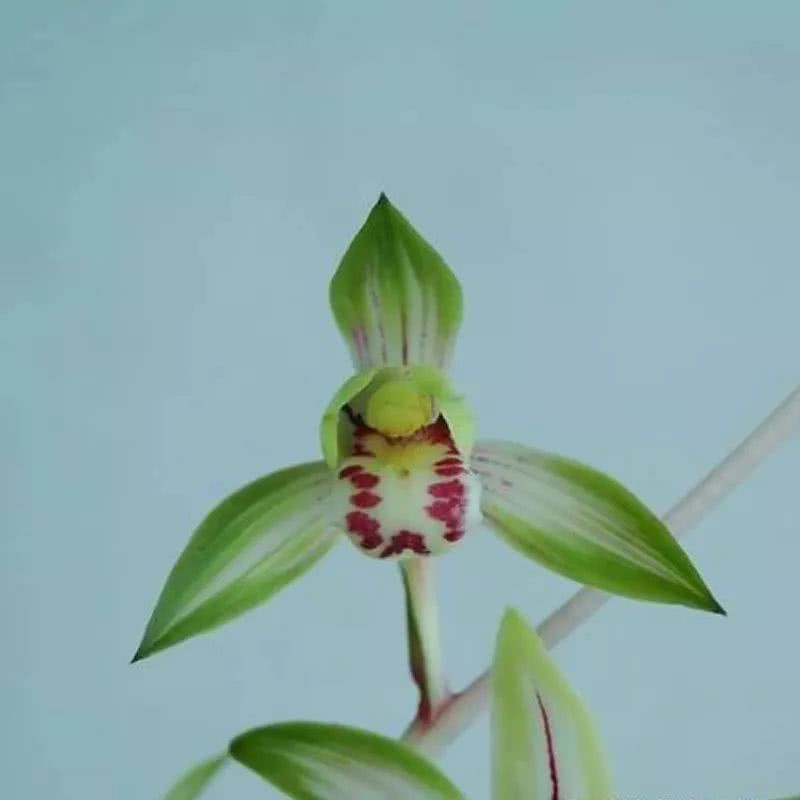
Cymbidium ensifolium 'Alpine Spring' (Yuxia) Four-Season Orchid, indoor potted green plant with free shipping
Promote Chinese orchid culture, spread orchid knowledge. Alpine Spring (also known as Yuxia or Gaomei), a Cymbidium ensifolium or Four-Season Orchid with early-brightening center-translucent variegation and red compound-color flowers. Original price 100 yuan per shoot, now 75 yuan per shoot, minimum order 3 shoots. The leaf buds show green compound rims with yellow center-translucent early-brightening variegation...
-

If we knew how precious the origins of Taiwan hinoki cypress are, could we put down the chainsaw? "Plants Connected to the World" Decodes Alpine Plants
If we knew how precious the origins of Taiwan hinoki cypress are, could we put down the chainsaw? "Plants Connected to the World" Decodes Alpine Plants
-
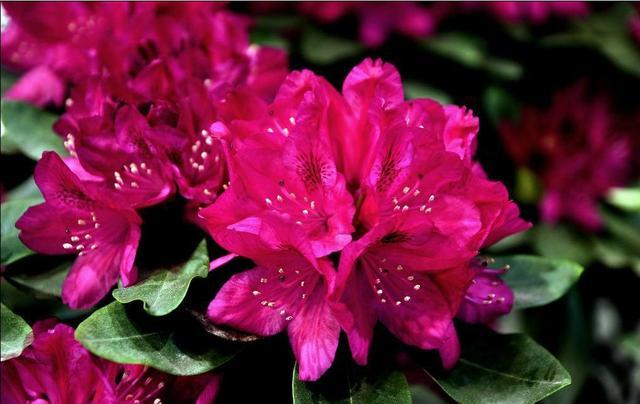
Grafting and seedling-raising technique for alpine rhododendron using Rhododendron decorum as rootstock
Grafting and seedling-raising technique for alpine rhododendron using Rhododendron decorum as rootstock Alpine rhododendron: an evergreen small shrub, up to 1 m tall, densely branched, prostrate or upright. Leaves usually scattered at the top of the branches, leathery, grayish to dark grayish green above, pale yellowish brown below...
-
Detailed Explanation of Fertilizing and Watering Methods for Alpine Rhododendrons
There are many opinions on the issue of fertilizing alpine rhododendrons. Based on our practice in recent years, the traditional Chinese method of concentrated fertilizing should be changed and replaced with "light fertilizer applied frequently," that is, balanced fertilizing with every watering, with special attention to the N:P:K ratio at different growth and development stages, because it has a relatively large impact. Every effort should be made to carefully test and analyze with each watering so as to formulate the most ideal pH value and EC value. We conducted a large number of experiments at different growth stages, for example, making 12 gradients from pH3.8 to 7.1
-
What are alpine rhododendrons, Rhododendron hybridum, and foreign rhododendrons?
Scientific name: Rhododendronhybridum. Aliases: Rhododendron hybridum, foreign rhododendron. Family and genus: Ericaceae, Rhododendron. Morphological characteristics: The alpine wintergreen is an evergreen shrub, about 20 cm tall, growing on mid- to high-altitude mountains. The leaves are oblanceolate, smooth on the surface, with serrated edges, and alternate. The stems are red, erect or growing along the ground. The leaves are clustered at the branch tips, hairless on the leaf surface, with dense reddish-yellow woolly hairs on the underside. The flowers are terminal, in racemose umbellate inflorescences.
-
How to grow alpine rhododendrons? A detailed guide to cultivation and management techniques
Alpine rhododendrons have very strong adaptability and can grow at normal temperatures. In Europe, they are mostly produced outdoors, and where conditions allow, greenhouses can be used for production. At different temperatures, the growth of alpine rhododendrons varies considerably. The optimum temperature for alpine rhododendrons is 15-20°C. At a maximum temperature of 35-39°C, growth is inhibited, and measures such as shading, cooling and ventilation should be taken promptly. The temperature is best kept within 30°C. When it exceeds 35°C, alpine rhododendrons will suffer damage to varying degrees, which is unfavorable for flower bud differentiation. Although alpine rhododendrons can generally tolerate low temperatures of -20°C, the temperature should be kept above 10°C as far as possible, especially to protect seedlings from freezing.
-
Detailed Explanation of Key Techniques for Alpine Rhododendron Cultivation and Management
When the seedlings you purchased arrive at the greenhouse, they are usually quite fragile and prone to damage during transport, so careful handling by the grower is very important. Strengthen management from the very beginning, and many problems later on can be avoided. 1. First potting: If you purchased plug seedlings, it is best to use rigid plastic pots 8-10 cm in size. Do not press the substrate in the pot too firmly, so as to allow aeration, and maintain a certain level of moisture. Do not prune at potting time; wait until the root system is well developed and the terminal buds begin to grow before pruning.
-
Common bryophyte Campylopus, alpine Campylopus caespitosus, main characteristics of bryophytes
Campylopus is a bryophyte that mainly grows on sandy-stony soil or peat soil in alpine regions, and is usually found under forest, at forest edges or in mountain streams and similar places. Campylopus is characterized by a slender plant body, densely caespitose, with stems and leaves, having
条件筛选