-
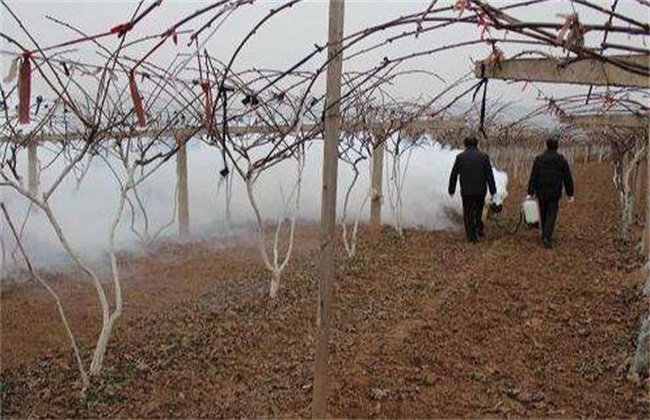
When is the most suitable time for winter irrigation of kiwifruit?
When is the suitable time for winter irrigation of kiwifruit
-
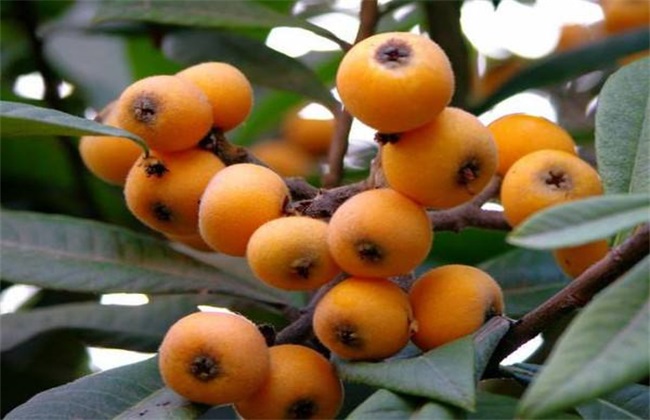
What are the suitable temperatures for loquat at different growth stages?
Temperature requirements for loquat at different growth stages
-
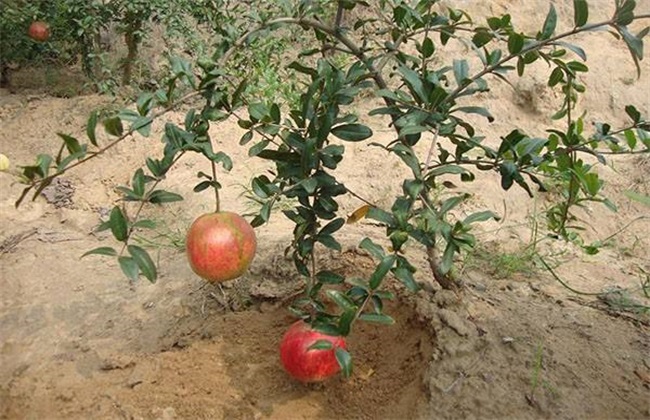
What are the suitable environmental conditions for growing pomegranates?
Environmental conditions for pomegranate growth
-
What Is the Suitable Temperature for Melons, Fruits and Vegetables? A Quick Reference Table of Common Varieties
Many vegetable growers have been growing vegetables for years but still do not have a clear grasp of the habits of vegetables, especially the temperatures they adapt to. Some farmers grow one crop year-round and, when...
-
What are three kinds of melons and fruits suitable for people with diabetes to eat
The water content in melon vegetables is very abundant. According to data, the water content in general melon vegetables is above 90%. Melon vegetables have the effect of protecting blood vessels...
-

Introduction to Suitable Regions, Temperatures and Precautions for Fragrant Pear Cultivation
What Issues Need Attention in Fragrant Pear Cultivation
-
Recommended Pear Varieties: Excellent Cultivars Suitable for Cultivation in Eastern Hebei
Many pear varieties have been introduced successively. Through cultivation trials and demonstrations, we consider the following 8 varieties to be easy to flower, early to fruit and early to bear abundantly, of excellent quality, strongly resistant, easy to manage, and highly profitable, making them suitable for cultivation in the eastern Hebei region. 1. Zaosu Pear was bred in 1956 by the Institute of Pomology of the Chinese Academy of Agricultural Sciences, with the parents Pingguo Li x Shenbuzhi, named in 1969, and introduced to Qian'an City in 1985. The fruit is obovate with angular protrusions, with an average single fruit weight of 237 g. The ripe fruit has a green-yellow skin, a smooth surface, and white flesh. The flesh is crisp and tender, with few stone cells, juicy
-
What are the suitable temperature and humidity for pear storage?
The optimal storage temperature for 'Huangjin' and 'Fengshui' pears is 0°C ± 1°C. During storage, the storage temperature should be kept stable, with temperature fluctuations not exceeding ± 1°C. 'Huangjin' and 'Fengshui' pears should be stored at 90%-95% relative humidity; when stored for more than 4 months, the relative humidity should be maintained at 95% throughout. Appendix A-1 Annual Pear Pest and Disease Control Calendar Period Control Target Control Measures Mid-February Spider mites, fruit borers, pear bud moths, yellow whiteflies, scab, globular scale insects After annual or biennial pruning, scrape the coarse bark from the trunk, main branches and scaffold branches, and the rotten bark at diseased scars; the debris
-
The hard-fleshed peach variety Qinwang is suitable for cultivation in the Yangtze River Basin.
Originally from Shaanxi, the average single fruit weight is 210g, the maximum fruit weight is 350g, and the fruits are relatively uniform. The base color of the skin is yellow-red; at maturity, 80%-100% of the fruit surface is bright red, the appearance is showy, and there is little fuzz on the fruit surface. The fruit is round, the suture line is centered, and the fruit shape is relatively symmetrical. The flesh is red and white, with 75% red blush. The flesh is especially hard, the texture is fine, and the resistance to browning is strong. The soluble solids content is 13.7%, the taste is sweet with slight acidity, there is a slight aroma, and the quality is excellent. In the Chongqing area, buds sprout in mid-February, full bloom occurs in early March, the fruit ripens in early July, and leaves fall in early December.
-
Golden Crown, a new yellow peach variety, is suitable for both canning and fresh eating
Golden Crown is a new yellow peach variety for both canning and fresh eating, selected from naturally crossed open-pollinated seedlings of Jinxiu. In September 2006, it passed expert appraisal organized by the Shandong Provincial Department of Science and Technology. The fruit is nearly round, with an average single fruit weight of 167 g and a maximum of 245 g. The skin is golden yellow, with no red blush, and the appearance is beautiful; the flesh is yellow, non-melting, does not brown, has good overall traits for canning processing, and is sweet-sour and palatable for fresh eating. It contains 13.8% soluble solids, 9.8% total sugar, and 0.67% total acid, with a rich apricot aroma and excellent quality; the pit is small and clingstone, and the
条件筛选